THE ADVENTURE COLLECTIVE® · Independent discovery and booking for outdoor travel
Spend two days walking among Lalibela’s extraordinary rock‑hewn churches and highland lanes. This compact UNESCO site delivers intense history, quiet worship, and panoramic viewpoints—ideal for travelers who want cultural depth in a short time.
Spend two days walking among Lalibela’s extraordinary rock‑hewn churches and highland lanes. This compact UNESCO site delivers intense history, quiet worship, and panoramic viewpoints—ideal for travelers who want cultural depth in a short time.
Stand on the flagstones at dawn and Lalibela unfolds like an open book carved from the red volcanic rock—church roofs flush with the earth, narrow trenches cutting paths where pilgrims quietly move between sanctuaries.
Verified experiences and guided adventures in the surrounding area.
Operated by Ethio Backpacker Tours · Lalibela, Amhara Region
Stand on the flagstones at dawn and Lalibela unfolds like an open book carved from the red volcanic rock—church roofs flush with the earth, narrow trenches cutting paths where pilgrims quietly move between sanctuaries.
Built mostly in the late 12th and 13th centuries under King Lalibela, these eleven monolithic churches were hewn downward from a single plateau; the workmanship reads as both devotion and engineering. The surrounding highlands press close, wind nudging you toward the narrow walkways and rooftop viewpoints where you can feel the altitude in your breath. Geology here is simple and stark: welded tuff carved into rooms, steps and cruciform naves that hold centuries of liturgy.
Culture is immediate. Worship continues inside, robes and incense mixing with the stone’s coolness. Guides—often local clergy or trained guides—explain liturgical items, fresco fragments and the social importance of pilgrimages that still pulse through town markets and guesthouses.
Practically speaking: two days gives a comprehensive walk-through. Expect uneven steps, low doorways and short but steep cobbled climbs between churches. Plan for highland weather—sunny mornings, brisk evenings—and modest dress for sacred sites. Local transport is by short flight from Addis Ababa or rough road if you’re overland; the schedule usually includes airport transfers, an English-speaking guide and a night in a guesthouse.
Bring a reusable water bottle, sturdy shoes with grip, sun protection and patience for slow, reverent moments—Lalibela asks you to slow down and listen to stone and people alike.
Most travelers fly from Addis Ababa to Lalibela (about 1 hour). Roads are long and can be rough; the tour typically includes transfers and airport pickup.
Guides generally handle site admissions and will advise if fees are included; expect some sites to require an entry ticket or suggested donation.
Rules vary—many interiors prohibit flash photography or any photos during services; always ask your guide or clergy before photographing.
Yes—Lalibela is about 2,500 m above sea level. Hydrate, move slowly on arrival, and consult a doctor about altitude medications if you’re sensitive.
Ethio Backpacker Tours operates guided outdoor trips and adventures with an emphasis on safety, stewardship, and memorable experiences.
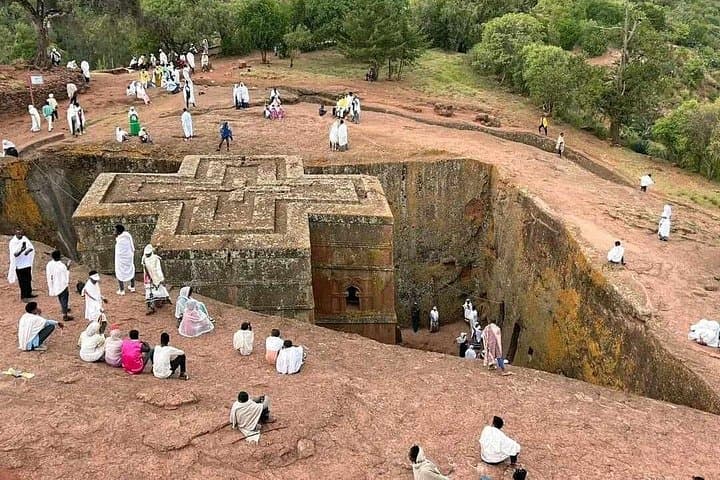
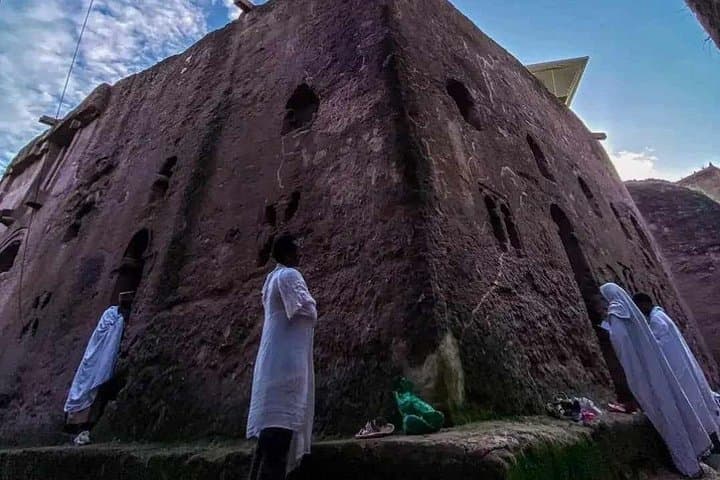
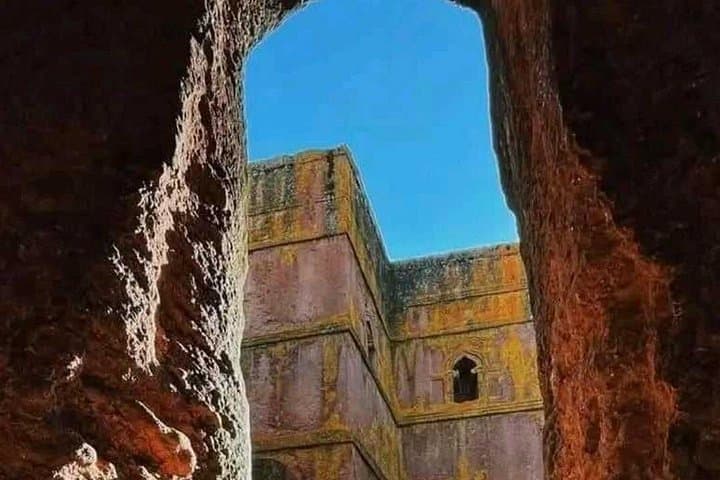
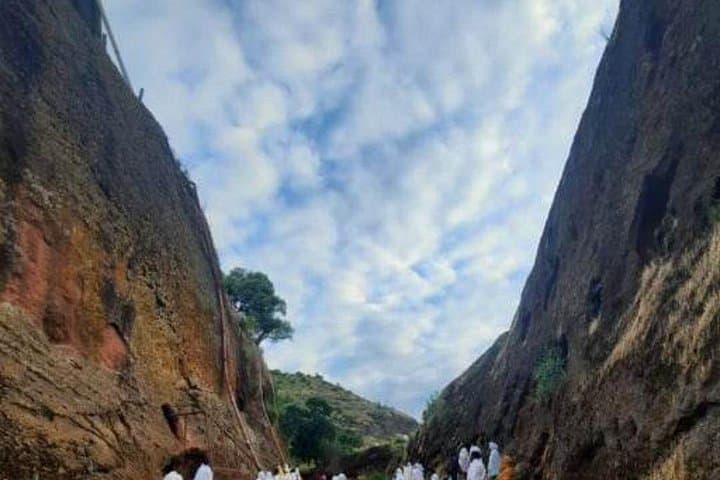
Stand on the flagstones at dawn and Lalibela unfolds like an open book carved from the red volcanic rock—church roofs flush with the earth, narrow trenches cutting paths where pilgrims quietly move between sanctuaries.
Stand on the flagstones at dawn and Lalibela unfolds like an open book carved from the red volcanic rock—church roofs flush with the earth, narrow trenches cutting paths where pilgrims quietly move between sanctuaries.
Built mostly in the late 12th and 13th centuries under King Lalibela, these eleven monolithic churches were hewn downward from a single plateau; the workmanship reads as both devotion and engineering. The surrounding highlands press close, wind nudging you toward the narrow walkways and rooftop viewpoints where you can feel the altitude in your breath. Geology here is simple and stark: welded tuff carved into rooms, steps and cruciform naves that hold centuries of liturgy.
Culture is immediate. Worship continues inside, robes and incense mixing with the stone’s coolness. Guides—often local clergy or trained guides—explain liturgical items, fresco fragments and the social importance of pilgrimages that still pulse through town markets and guesthouses.
Practically speaking: two days gives a comprehensive walk-through. Expect uneven steps, low doorways and short but steep cobbled climbs between churches. Plan for highland weather—sunny mornings, brisk evenings—and modest dress for sacred sites. Local transport is by short flight from Addis Ababa or rough road if you’re overland; the schedule usually includes airport transfers, an English-speaking guide and a night in a guesthouse.
Bring a reusable water bottle, sturdy shoes with grip, sun protection and patience for slow, reverent moments—Lalibela asks you to slow down and listen to stone and people alike.
