THE ADVENTURE COLLECTIVE® · Independent discovery and booking for outdoor travel

Two days from Chiang Mai to Pai pack in canyon ridgelines, a mineral hot spring soak, a waterfall and a Lisu market. This practical short-break itinerary is ideal for travelers who want the region’s natural highlights without extensive hiking.
Two days from Chiang Mai to Pai pack in canyon ridgelines, a mineral hot spring soak, a waterfall and a Lisu market. This practical short-break itinerary is ideal for travelers who want the region’s natural highlights without extensive hiking.
You step off the minivan into a valley of red earth and the high, dry scent of grass—Pai’s skyline cut by a jagged rim of eroded sandstone that the locals call Pai Canyon.
Verified experiences and guided adventures in the surrounding area.
Operated by Chiang Mai Local Tours · Pai, Mae Hong Son
You step off the minivan into a valley of red earth and the high, dry scent of grass—Pai’s skyline cut by a jagged rim of eroded sandstone that the locals call Pai Canyon.
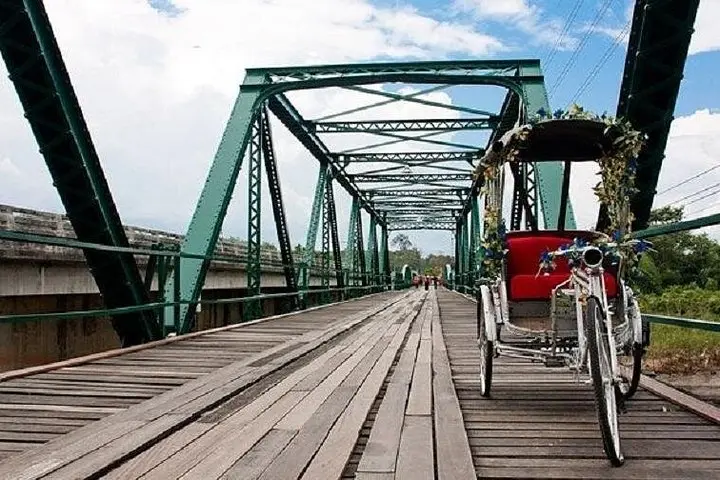
Over two days this private package threads together the region’s most immediate scenes: the plunging Mok Fah Waterfall, the narrow ridgelines of Pai Canyon, tea terraces and ethnic Lisu market stalls, steam rising from Tha Pai Hot Springs, and the weathered boards of the World War II memorial bridge spanning the Pai River.
Geology reads plainly here: Pleistocene alluvium and recent river-cut badlands shaped the canyon’s sheer edges, while hot springs mark geothermal paths along local faulting. Cultural notes arrive through village tea farms and the Lisu tribal market—handmade textiles, highland produce and a different cadence of life from Chiang Mai’s urban bustle.
Practically, this is a low-impact, low-technical tour suitable for most travelers—short walks, some uneven paths, a half-hour mineral bath, and light hiking at lookouts. Arrive with sturdy shoes for canyon ridges, a light layer for sunset on Wat Phra That Mae Yen, and a refillable bottle—the tour includes bottled water but Pai’s taps are not drinking-safe.
Timing matters: mornings are cooler and water flows stronger after rains; late afternoon paints the canyon in warm light. Expect vehicle travel on narrow mountain roads; motion-sickness precautions help. Bring cash for local markets and leave space in your bag for clay-soaked towels after the hot springs. With a clear itinerary and an overnight in town, the package is an efficient way to feel Pai’s landscape, history and market life in two compact days.
The tour is rated easy—most stops involve short walks or viewpoints; no long hikes or technical climbs are required.
Yes, one overnight stay near Pai Walking Street is included in the package.
Vegetarian options are available—notify the operator at booking to confirm specific requests.
Hotel pickup and drop-off in Chiang Mai are included; you will return to Chiang Mai on day two by approximately 6:00 pm.
Chiang Mai Local Tours operates guided outdoor trips and adventures with an emphasis on safety, stewardship, and memorable experiences.
You step off the minivan into a valley of red earth and the high, dry scent of grass—Pai’s skyline cut by a jagged rim of eroded sandstone that the locals call Pai Canyon.
You step off the minivan into a valley of red earth and the high, dry scent of grass—Pai’s skyline cut by a jagged rim of eroded sandstone that the locals call Pai Canyon.
Over two days this private package threads together the region’s most immediate scenes: the plunging Mok Fah Waterfall, the narrow ridgelines of Pai Canyon, tea terraces and ethnic Lisu market stalls, steam rising from Tha Pai Hot Springs, and the weathered boards of the World War II memorial bridge spanning the Pai River.
Geology reads plainly here: Pleistocene alluvium and recent river-cut badlands shaped the canyon’s sheer edges, while hot springs mark geothermal paths along local faulting. Cultural notes arrive through village tea farms and the Lisu tribal market—handmade textiles, highland produce and a different cadence of life from Chiang Mai’s urban bustle.
Practically, this is a low-impact, low-technical tour suitable for most travelers—short walks, some uneven paths, a half-hour mineral bath, and light hiking at lookouts. Arrive with sturdy shoes for canyon ridges, a light layer for sunset on Wat Phra That Mae Yen, and a refillable bottle—the tour includes bottled water but Pai’s taps are not drinking-safe.
Timing matters: mornings are cooler and water flows stronger after rains; late afternoon paints the canyon in warm light. Expect vehicle travel on narrow mountain roads; motion-sickness precautions help. Bring cash for local markets and leave space in your bag for clay-soaked towels after the hot springs. With a clear itinerary and an overnight in town, the package is an efficient way to feel Pai’s landscape, history and market life in two compact days.