THE ADVENTURE COLLECTIVE® · Independent discovery and booking for outdoor travel

Swap La Paz for two days on Lake Titicaca: boat to Isla del Sol, walk to Pilkokaina’s Inca stairways, and sleep in an eco-hostel while mountain air thins your breath and sharpens the views. Practical, cultural, and scenic—this compact journey offers a concentrated feel for the sacred lake.
Swap La Paz for two days on Lake Titicaca: boat to Isla del Sol, walk to Pilkokaina’s Inca stairways, and sleep in an eco-hostel while mountain air thins your breath and sharpens the views. Practical, cultural, and scenic—this compact journey offers a concentrated feel for the sacred lake.
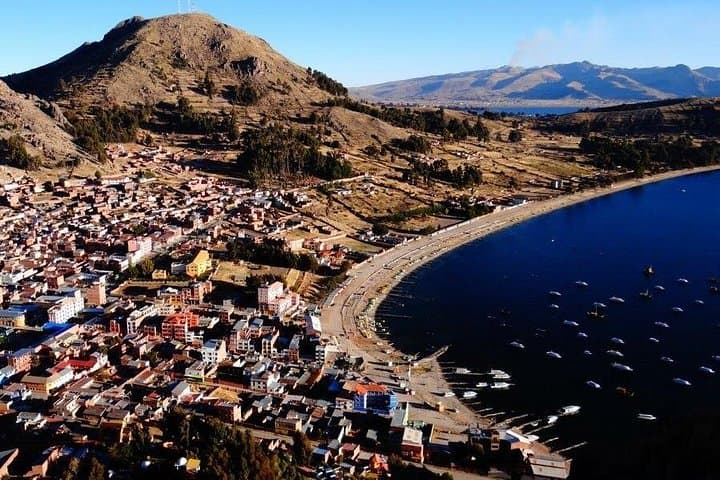
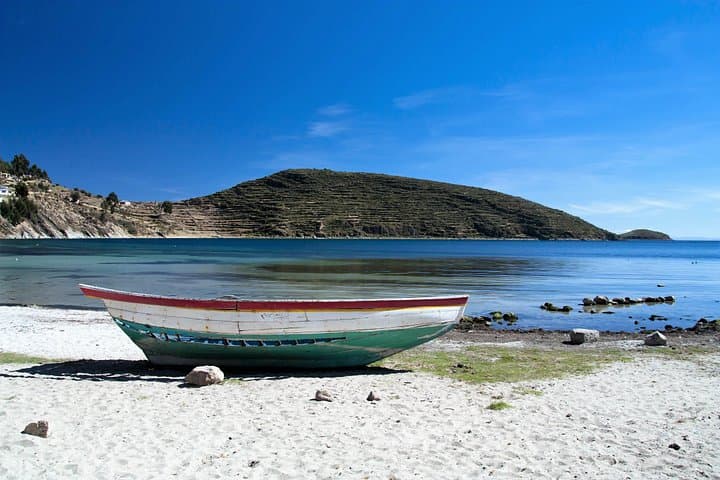
The first breath on the docks at Copacabana is thin and bright—the air here carries a cold clarity that pins your senses to the lake. Lake Titicaca spreads out like a highland sea, rimmed by wind-scoured hills and the low, stone terraces of islands that once hosted emperors. On this two-day route you trade La Paz’s city grind for boat wakes and Inca steps, arriving at Isla del Sol (Sun Island) just in time to watch sky and water separate at sunset.
Verified experiences and guided adventures in the surrounding area.
Operated by On Experiences · Copacabana, La Paz Department
The first breath on the docks at Copacabana is thin and bright—the air here carries a cold clarity that pins your senses to the lake. Lake Titicaca spreads out like a highland sea, rimmed by wind-scoured hills and the low, stone terraces of islands that once hosted emperors. On this two-day route you trade La Paz’s city grind for boat wakes and Inca steps, arriving at Isla del Sol (Sun Island) just in time to watch sky and water separate at sunset.
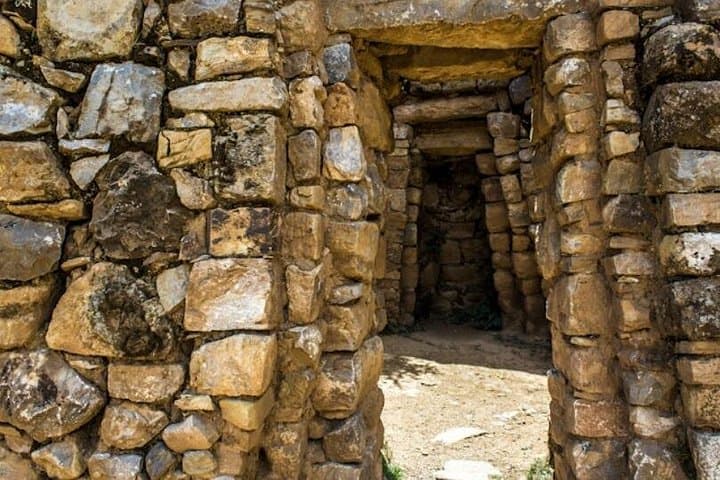
Geology here is blunt: a broad, high-altitude basin set at roughly 3,800–3,900 meters above sea level. The lake is one of the world’s highest navigable bodies of water, fed by Andean runoff and ancient glacial action. Human history is layered atop that geology—Titicaca is central to Aymara and Quechua cosmology and became a ritual focal point of the Inca state. Pilkokaina (Pilko Kaina), the ruined palace you visit, was an elite ceremonial complex where stone fountains and carved stairways guided ritual movement toward the lake.
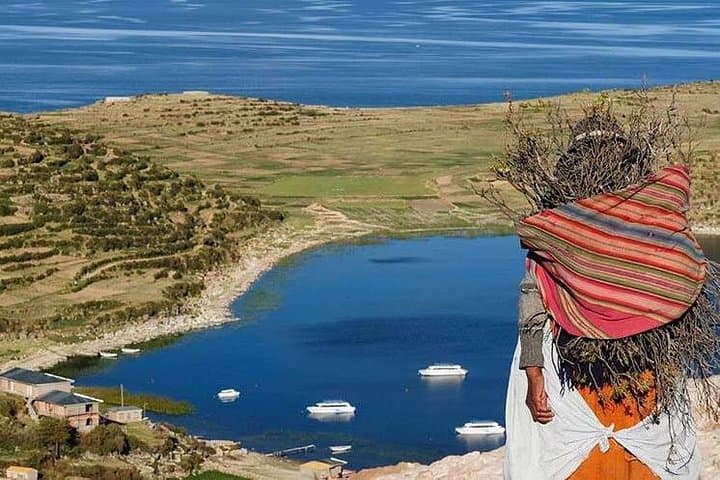
Walking on Isla del Sol is an exercise in contrasts: narrow stone staircases worn by centuries of feet; terraces where quinoa and potatoes still cling to thin soil; and open trails where the wind feels as if it wants to carry you over the lake. Typical day hikes on the island are short but steep—expect 3–6 kilometers of uneven stonework and dirt paths, with occasional 100–300 meters of elevation change when you climb to viewpoints.
Culturally the itinerary threads Copacabana’s basilica and pilgrim culture with remote island hamlets where families run eco-hostels. Meals center on lake trout and hearty stews; you’ll hear Aymara and Spanish, and local guides will explain Inca cosmology in plain, practical terms.
Practical guide: plan for altitude. Give yourself a day in La Paz or a gentle arrival to Copacabana before heavy walking. Footwear should be sturdy with good grip for wet stone steps and loose gravel. Sun is intense at altitude—bring high-SPF sun protection and a brimmed hat. Hydrate continually; even short hikes feel harder up here. Boats between Copacabana and Isla del Sol typically take 30–60 minutes depending on route; dress in layers for wind and spray. The tour includes meals and one night’s eco-hostel lodging on the island—expect simple, locally powered accommodations.
Timing matters: mornings are crisp and clear for photography, late afternoons warm into dramatic skies for sunsets over the western lake. Respect local rhythms—many island communities rely on small-scale tourism—so pack out waste and keep noise low during evening hours.
For travelers looking to combine a compact dose of Andean archaeology with a tactile, high-altitude landscape, this two-day Titicaca trip delivers both context and scenery without long days on the trail—just enough challenge to make the views and the history feel earned.
Boat transfers typically take 30–60 minutes depending on the route and stops; rough water can add time.
Yes—Titicaca sits around 3,800–3,900 m. Acclimatize in La Paz, hydrate, avoid alcohol before hiking, and communicate symptoms to your guide.
Yes—the tour includes breakfast, lunch and dinner as listed, with local dishes like lake trout commonly served.
The stay is in an eco-hostel—comfortable and locally run but generally simple, with limited hot water and no luxury amenities.
Families can join, but infants are required to sit on laps during transport; consider children’s tolerance for altitude and boat rides.
Guides commonly speak Spanish and may offer English; ask the operator ahead if you require a guide fluent in another language.
On Experiences operates guided outdoor trips and adventures with an emphasis on safety, stewardship, and memorable experiences.
The first breath on the docks at Copacabana is thin and bright—the air here carries a cold clarity that pins your senses to the lake. Lake Titicaca spreads out like a highland sea, rimmed by wind-scoured hills and the low, stone terraces of islands that once hosted emperors. On this two-day route you trade La Paz’s city grind for boat wakes and Inca steps, arriving at Isla del Sol (Sun Island) just in time to watch sky and water separate at sunset.
The first breath on the docks at Copacabana is thin and bright—the air here carries a cold clarity that pins your senses to the lake. Lake Titicaca spreads out like a highland sea, rimmed by wind-scoured hills and the low, stone terraces of islands that once hosted emperors. On this two-day route you trade La Paz’s city grind for boat wakes and Inca steps, arriving at Isla del Sol (Sun Island) just in time to watch sky and water separate at sunset.
Geology here is blunt: a broad, high-altitude basin set at roughly 3,800–3,900 meters above sea level. The lake is one of the world’s highest navigable bodies of water, fed by Andean runoff and ancient glacial action. Human history is layered atop that geology—Titicaca is central to Aymara and Quechua cosmology and became a ritual focal point of the Inca state. Pilkokaina (Pilko Kaina), the ruined palace you visit, was an elite ceremonial complex where stone fountains and carved stairways guided ritual movement toward the lake.
Walking on Isla del Sol is an exercise in contrasts: narrow stone staircases worn by centuries of feet; terraces where quinoa and potatoes still cling to thin soil; and open trails where the wind feels as if it wants to carry you over the lake. Typical day hikes on the island are short but steep—expect 3–6 kilometers of uneven stonework and dirt paths, with occasional 100–300 meters of elevation change when you climb to viewpoints.
Culturally the itinerary threads Copacabana’s basilica and pilgrim culture with remote island hamlets where families run eco-hostels. Meals center on lake trout and hearty stews; you’ll hear Aymara and Spanish, and local guides will explain Inca cosmology in plain, practical terms.
Practical guide: plan for altitude. Give yourself a day in La Paz or a gentle arrival to Copacabana before heavy walking. Footwear should be sturdy with good grip for wet stone steps and loose gravel. Sun is intense at altitude—bring high-SPF sun protection and a brimmed hat. Hydrate continually; even short hikes feel harder up here. Boats between Copacabana and Isla del Sol typically take 30–60 minutes depending on route; dress in layers for wind and spray. The tour includes meals and one night’s eco-hostel lodging on the island—expect simple, locally powered accommodations.
Timing matters: mornings are crisp and clear for photography, late afternoons warm into dramatic skies for sunsets over the western lake. Respect local rhythms—many island communities rely on small-scale tourism—so pack out waste and keep noise low during evening hours.
For travelers looking to combine a compact dose of Andean archaeology with a tactile, high-altitude landscape, this two-day Titicaca trip delivers both context and scenery without long days on the trail—just enough challenge to make the views and the history feel earned.