THE ADVENTURE COLLECTIVE® · Independent discovery and booking for outdoor travel

Slide out of the mangrove maze into the Ten Thousand Islands on a two‑hour naturalist boat tour that specializes in dolphins, manatees and shorebirds. Small groups and trained guides make this an efficient wildlife introduction with strong photo opportunities.
Slide out of the mangrove maze into the Ten Thousand Islands on a two‑hour naturalist boat tour that specializes in dolphins, manatees and shorebirds. Small groups and trained guides make this an efficient wildlife introduction with strong photo opportunities.
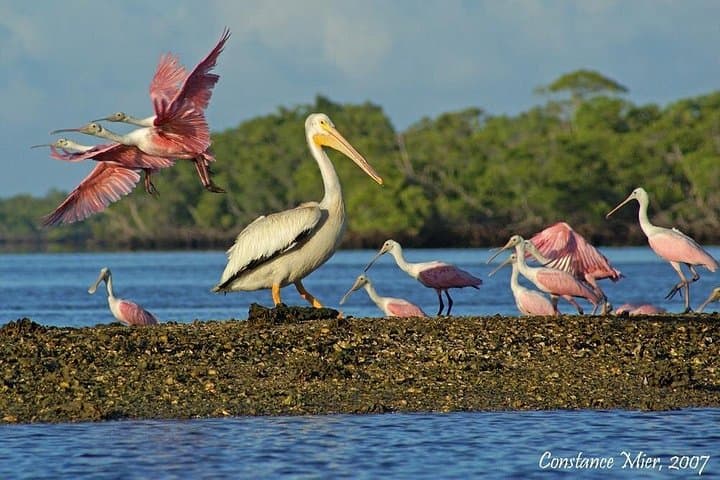
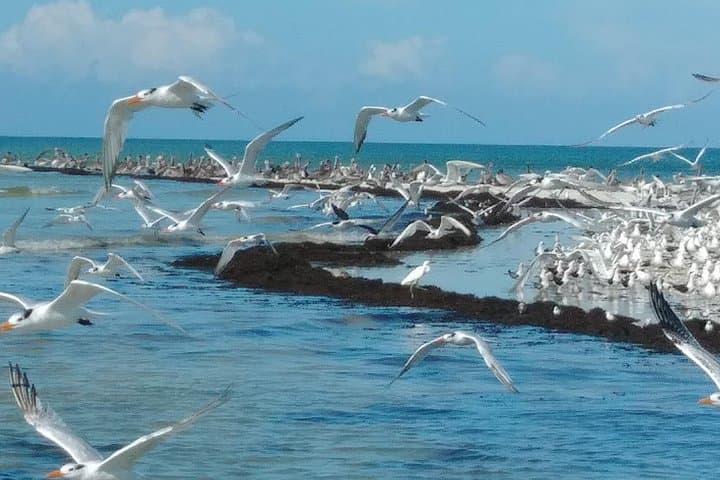
The bow parts a glassy channel and the mangroves close behind like a living wall—salt air prickles at the back of your neck, gulls wheel and the water dares you to blink. In two hours you'll move from shoreline thickets into the Ten Thousand Islands, where coastal flats give way to deeper channels that attract dolphins, manatees and a tight chorus of shorebirds.
Verified experiences and guided adventures in the surrounding area.
Operated by Everglades Area Tours · Everglades City, Florida
The bow parts a glassy channel and the mangroves close behind like a living wall—salt air prickles at the back of your neck, gulls wheel and the water dares you to blink. In two hours you'll move from shoreline thickets into the Ten Thousand Islands, where coastal flats give way to deeper channels that attract dolphins, manatees and a tight chorus of shorebirds.
Geologically the Everglades are a broad, slow-moving sheet of water—once called the River of Grass—that shaped the estuaries and keys you visit. The area’s human story runs from Calusa fisheries to 20th‑century conservation fights; the park was created primarily to protect this unique biology rather than dramatic rock or peaks.
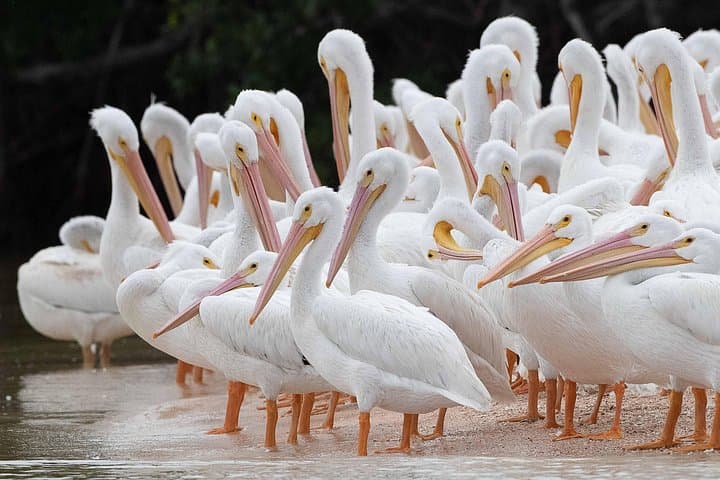
Local guides here are often trained Florida Master Naturalists, pointing out telltale spouts, nesting egrets and the subtle clues of tidal movement. Expect interpretive commentary on bird migration, mangrove ecology, and how freshwater flow affects saltwater fisheries.
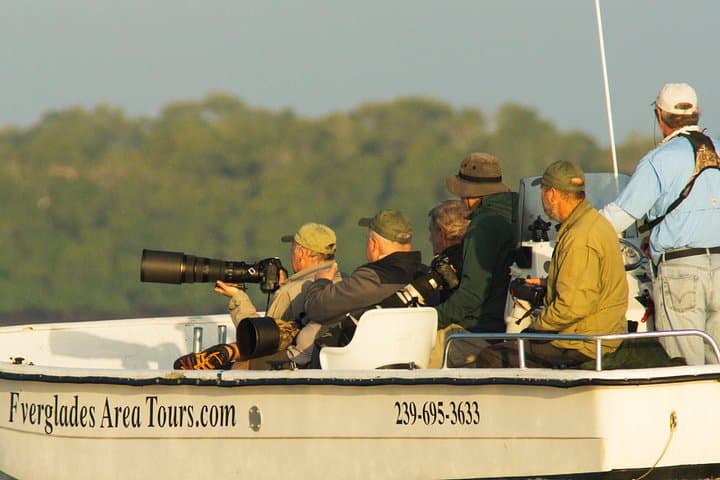
Practically: departures meet near US‑41/Tamiami Trail with free parking; tours run about two hours and cap at six guests for a close, photographic experience. Mornings are best June–October to avoid afternoon storms; winter trips deliver clearer light and migrating raptors. Keep sunscreen, a brimmed hat, binoculars and a camera ready. Movement on a low, captain‑style boat is gentle but bring a light jacket for wind and an anti‑glare lens for photos.
Respect the wildlife—no feeding, maintain quiet for better sightings, and follow your guide’s positioning for safe, ethical viewing. In a short span the Everglades can teach you more about coastal ecology than a week on land—if you watch, listen and stay ready for the next dorsal to break the water’s surface.
The tour is two hours; meet at the parking area off US‑41/Tamiami Trail near the Ship’s Store picnic tables as instructed in your confirmation.
Wildlife is never guaranteed, but guides with local experience greatly increase sightings of dolphins, manatees and a wide variety of birds.
Yes—infants can ride in a stroller before boarding but must sit on laps during the trip; check the operator’s age policies when booking.
No—this is a small vessel; use facilities at the meeting/parking area before departure.
Everglades Area Tours operates guided outdoor trips and adventures with an emphasis on safety, stewardship, and memorable experiences.
The bow parts a glassy channel and the mangroves close behind like a living wall—salt air prickles at the back of your neck, gulls wheel and the water dares you to blink. In two hours you'll move from shoreline thickets into the Ten Thousand Islands, where coastal flats give way to deeper channels that attract dolphins, manatees and a tight chorus of shorebirds.
The bow parts a glassy channel and the mangroves close behind like a living wall—salt air prickles at the back of your neck, gulls wheel and the water dares you to blink. In two hours you'll move from shoreline thickets into the Ten Thousand Islands, where coastal flats give way to deeper channels that attract dolphins, manatees and a tight chorus of shorebirds.
Geologically the Everglades are a broad, slow-moving sheet of water—once called the River of Grass—that shaped the estuaries and keys you visit. The area’s human story runs from Calusa fisheries to 20th‑century conservation fights; the park was created primarily to protect this unique biology rather than dramatic rock or peaks.
Local guides here are often trained Florida Master Naturalists, pointing out telltale spouts, nesting egrets and the subtle clues of tidal movement. Expect interpretive commentary on bird migration, mangrove ecology, and how freshwater flow affects saltwater fisheries.
Practically: departures meet near US‑41/Tamiami Trail with free parking; tours run about two hours and cap at six guests for a close, photographic experience. Mornings are best June–October to avoid afternoon storms; winter trips deliver clearer light and migrating raptors. Keep sunscreen, a brimmed hat, binoculars and a camera ready. Movement on a low, captain‑style boat is gentle but bring a light jacket for wind and an anti‑glare lens for photos.
Respect the wildlife—no feeding, maintain quiet for better sightings, and follow your guide’s positioning for safe, ethical viewing. In a short span the Everglades can teach you more about coastal ecology than a week on land—if you watch, listen and stay ready for the next dorsal to break the water’s surface.