THE ADVENTURE COLLECTIVE® · Independent discovery and booking for outdoor travel

A focused 125-minute private walking tour that threads KKL, Chapel Bridge, Jesuit Church and the Lion Monument. Ideal for photographers and history-minded travelers who want accessible, flexible pacing.
A focused 125-minute private walking tour that threads KKL, Chapel Bridge, Jesuit Church and the Lion Monument. Ideal for photographers and history-minded travelers who want accessible, flexible pacing.
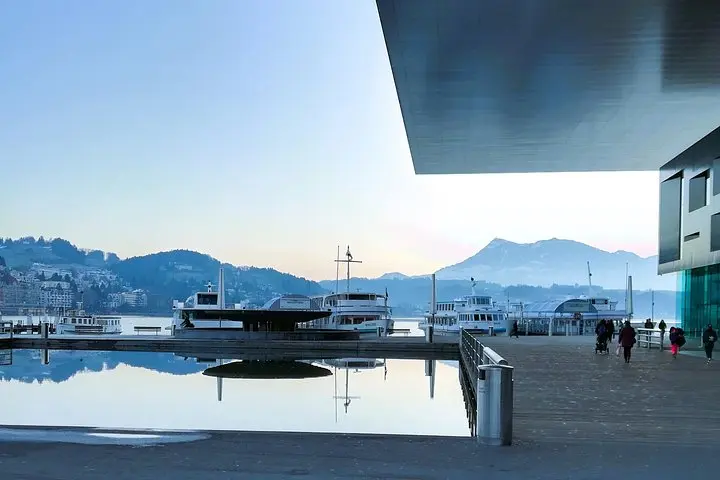
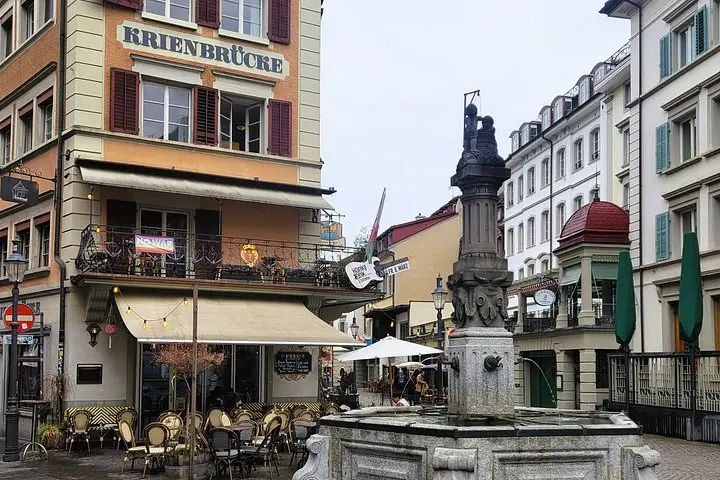
You meet your guide at Europa-Platz, a stone’s throw from Lucerne SBB and the glass facades of the KKL. A lake breeze brushes past as the group steps onto cobbles: within minutes the wooden roof of Kapellbrücke appears, its painted panels and low rafters inviting slow photos and closer looks.
Verified experiences and guided adventures in the surrounding area.
Operated by Rafael Werner · Lucerne, Canton of Lucerne
You meet your guide at Europa-Platz, a stone’s throw from Lucerne SBB and the glass facades of the KKL. A lake breeze brushes past as the group steps onto cobbles: within minutes the wooden roof of Kapellbrücke appears, its painted panels and low rafters inviting slow photos and closer looks.
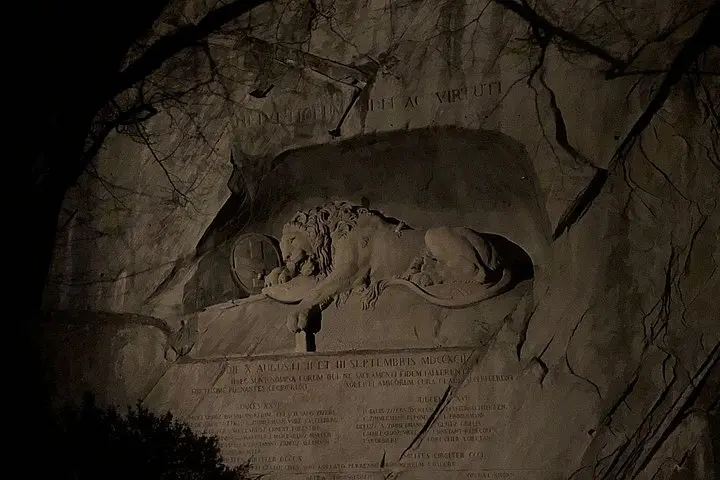
Lucerne grew where alpine runoff meets a fjord-like basin carved by ice; the town’s medieval streets and surviving ramparts echo a long history of trade, tolls and Catholic parish life that shaped central Switzerland. Architectural notes pop up on the route: the modern lines of the Kultur- und Kongresszentrum, the Baroque sweep of the Jesuit Church, and the sober face of the Lion Monument—an emotional 19th-century memorial to Swiss Guards who fell in 1792.
Culturally the guide will point out local dialect cues, market rhythms near Rathausquai, and how the Reformation and later tourism influenced civic design. Geology shows in the lake’s clear, glacial-fed water and the way the city tucks into the edge of rising foothills.
Practical guidance — the tour runs about 125 minutes and covers mostly flat, cobbled surfaces with some stairs. It’s wheelchair- and stroller-friendly in large parts but expect uneven surfaces on bridges and older alleys. Bring layered clothing for lake winds, a charged phone for mobile ticketing and small-change for café stops. Morning light is best for photos at Kapellbrücke; late afternoon softens the stone at the Lion Monument. The guide adapts the pace for photos, shopping or extra time at a church, making this a compact, informative introduction to Lucerne’s landscape, history and urban life.
The guide offers the tour in German or English; specify your preference when booking.
Meet at Europa-Platz in front of the KKL, a one-minute walk from Lucerne SBB station.
Most route sections are wheelchair- and stroller-accessible, though some historic bridges and alleys have uneven surfaces; notify the guide ahead for adjustments.
Full refund if canceled at least 24 hours before the scheduled departure time.
Rafael Werner operates guided outdoor trips and adventures with an emphasis on safety, stewardship, and memorable experiences.
You meet your guide at Europa-Platz, a stone’s throw from Lucerne SBB and the glass facades of the KKL. A lake breeze brushes past as the group steps onto cobbles: within minutes the wooden roof of Kapellbrücke appears, its painted panels and low rafters inviting slow photos and closer looks.
You meet your guide at Europa-Platz, a stone’s throw from Lucerne SBB and the glass facades of the KKL. A lake breeze brushes past as the group steps onto cobbles: within minutes the wooden roof of Kapellbrücke appears, its painted panels and low rafters inviting slow photos and closer looks.
Lucerne grew where alpine runoff meets a fjord-like basin carved by ice; the town’s medieval streets and surviving ramparts echo a long history of trade, tolls and Catholic parish life that shaped central Switzerland. Architectural notes pop up on the route: the modern lines of the Kultur- und Kongresszentrum, the Baroque sweep of the Jesuit Church, and the sober face of the Lion Monument—an emotional 19th-century memorial to Swiss Guards who fell in 1792.
Culturally the guide will point out local dialect cues, market rhythms near Rathausquai, and how the Reformation and later tourism influenced civic design. Geology shows in the lake’s clear, glacial-fed water and the way the city tucks into the edge of rising foothills.
Practical guidance — the tour runs about 125 minutes and covers mostly flat, cobbled surfaces with some stairs. It’s wheelchair- and stroller-friendly in large parts but expect uneven surfaces on bridges and older alleys. Bring layered clothing for lake winds, a charged phone for mobile ticketing and small-change for café stops. Morning light is best for photos at Kapellbrücke; late afternoon softens the stone at the Lion Monument. The guide adapts the pace for photos, shopping or extra time at a church, making this a compact, informative introduction to Lucerne’s landscape, history and urban life.