THE ADVENTURE COLLECTIVE® · Independent discovery and booking for outdoor travel

Sail the Nile from Aswan to Luxor on a two-night cruise that combines calm river passages with visits to Kom Ombo, Edfu and Luxor’s east and west banks. Expect sunrise balloons, well-preserved temples and practical onboard comforts for a compact cultural journey.
Sail the Nile from Aswan to Luxor on a two-night cruise that combines calm river passages with visits to Kom Ombo, Edfu and Luxor’s east and west banks. Expect sunrise balloons, well-preserved temples and practical onboard comforts for a compact cultural journey.
Early light breaks over the Nile and the river moves like a slow conversation — the cruise slips from Aswan’s docks and the city’s islands slide past like pages in a book. On deck, the air tastes of dust and citrus; the captain steers with the steady hands of someone who knows every sandbar and every current.
Verified experiences and guided adventures in the surrounding area.
Operated by Nile Prince Travel · Aswan, Aswan Governorate
Early light breaks over the Nile and the river moves like a slow conversation — the cruise slips from Aswan’s docks and the city’s islands slide past like pages in a book. On deck, the air tastes of dust and citrus; the captain steers with the steady hands of someone who knows every sandbar and every current.
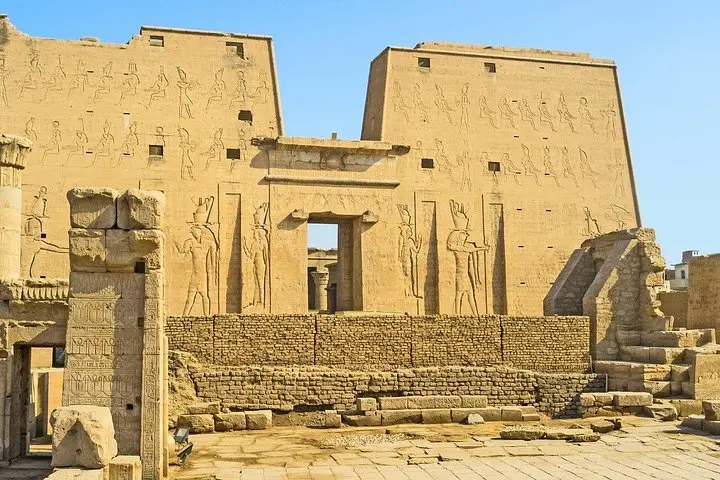
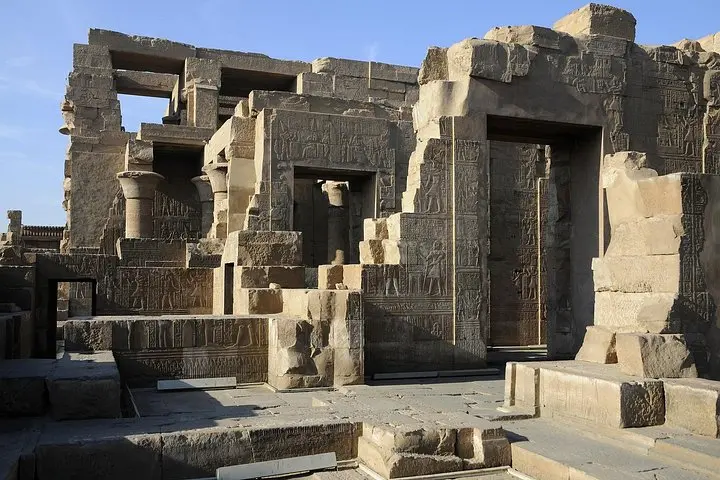
This short cruise pairs river travel with Egypt’s most iconic antiquities: Kom Ombo’s dual temple to Sobek and Horus, the remarkably preserved Edfu Temple to Horus, and Luxor’s twin banks of Karnak and the Valley of the Kings. Geologically the Nile valley is a ribbon of alluvium hemmed by desert plateaus; its fertile strip has supported civilizations for millennia. Culturally, this route moves from Nubian-influenced Aswan up through Greco-Roman and pharaonic layers around Edfu and Luxor — expect temple reliefs that narrate politics, religion, and ritual in stone.
Practical guidance: plan early-morning landings to avoid heat, and dress in breathable layers with sturdy shoes for uneven temple thresholds. Hydrate often — the river will tempt you with shade, but the sun is fierce. Bring cash for temple entrances not included, and confirm whether the hot-air balloon is booked through the operator or independently.
Onboard life is straightforward: cabins, meals, and short daytime sailings that let you maximize sightseeing. For photographers, sunrise over Luxor is the payout; for quieter moments, watch the fellaheen tending palms and the shoreline birds that follow the boat like curious companions.
The hot-air balloon over Luxor is listed as an included option in some itineraries but can be operator-dependent; confirm at booking and expect a separate safety briefing the morning of the flight.
The operator lists wheelchair-accessible transport and surfaces; however, temple sites often have steps and uneven ground, so some assistance may be required for shore visits.
Two breakfasts, lunches and dinners are included aboard the cruise, but specialty drinks and optional restaurant lunches on shore may be extra.
Yes—carry Egyptian pounds for minor purchases, tips, and some entry fees; major cards may not be accepted at small vendors or temple ticket booths.
Nile Prince Travel operates guided outdoor trips and adventures with an emphasis on safety, stewardship, and memorable experiences.
Early light breaks over the Nile and the river moves like a slow conversation — the cruise slips from Aswan’s docks and the city’s islands slide past like pages in a book. On deck, the air tastes of dust and citrus; the captain steers with the steady hands of someone who knows every sandbar and every current.
Early light breaks over the Nile and the river moves like a slow conversation — the cruise slips from Aswan’s docks and the city’s islands slide past like pages in a book. On deck, the air tastes of dust and citrus; the captain steers with the steady hands of someone who knows every sandbar and every current.
This short cruise pairs river travel with Egypt’s most iconic antiquities: Kom Ombo’s dual temple to Sobek and Horus, the remarkably preserved Edfu Temple to Horus, and Luxor’s twin banks of Karnak and the Valley of the Kings. Geologically the Nile valley is a ribbon of alluvium hemmed by desert plateaus; its fertile strip has supported civilizations for millennia. Culturally, this route moves from Nubian-influenced Aswan up through Greco-Roman and pharaonic layers around Edfu and Luxor — expect temple reliefs that narrate politics, religion, and ritual in stone.
Practical guidance: plan early-morning landings to avoid heat, and dress in breathable layers with sturdy shoes for uneven temple thresholds. Hydrate often — the river will tempt you with shade, but the sun is fierce. Bring cash for temple entrances not included, and confirm whether the hot-air balloon is booked through the operator or independently.
Onboard life is straightforward: cabins, meals, and short daytime sailings that let you maximize sightseeing. For photographers, sunrise over Luxor is the payout; for quieter moments, watch the fellaheen tending palms and the shoreline birds that follow the boat like curious companions.