THE ADVENTURE COLLECTIVE® · Independent discovery and booking for outdoor travel
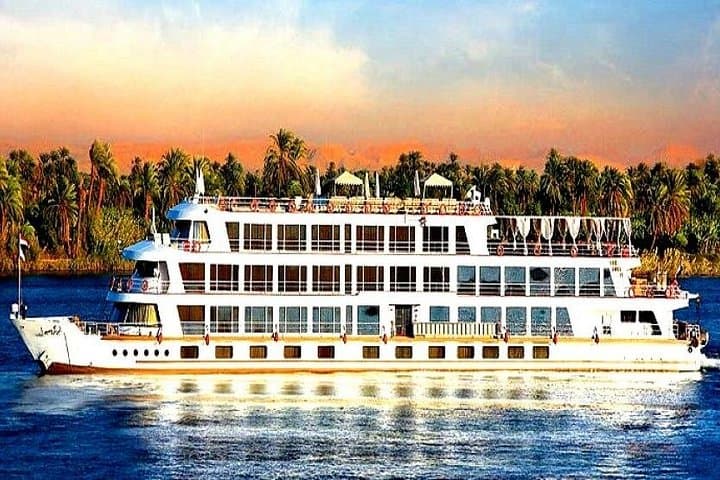
A compact two-night Nile cruise that threads Luxor to Aswan, packing major temples, a possible hot-air balloon flight, and a shore excursion to Abu Simbel into a single, scenic voyage. Ideal for travelers who want immersive history without a long itinerary.
A compact two-night Nile cruise that threads Luxor to Aswan, packing major temples, a possible hot-air balloon flight, and a shore excursion to Abu Simbel into a single, scenic voyage. Ideal for travelers who want immersive history without a long itinerary.
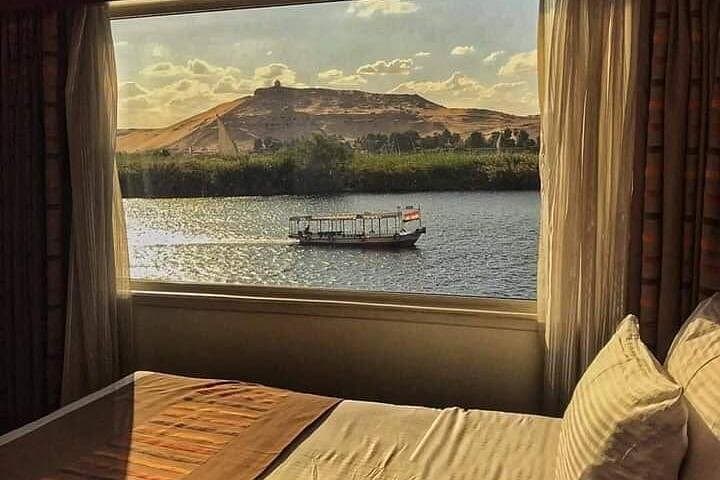
Dawn finds the cruise moored on Luxor's east bank; dusted pylons and palm-line gardens slide by as the ship loosens its lines. Early light picks out the colossi and temple pylons while feluccas drift like punctuation along the river — a quiet, moving introduction to ancient Egypt.
Verified experiences and guided adventures in the surrounding area.
Operated by Nile Prince Travel · Luxor, Luxor Governorate
Dawn finds the cruise moored on Luxor's east bank; dusted pylons and palm-line gardens slide by as the ship loosens its lines. Early light picks out the colossi and temple pylons while feluccas drift like punctuation along the river — a quiet, moving introduction to ancient Egypt.
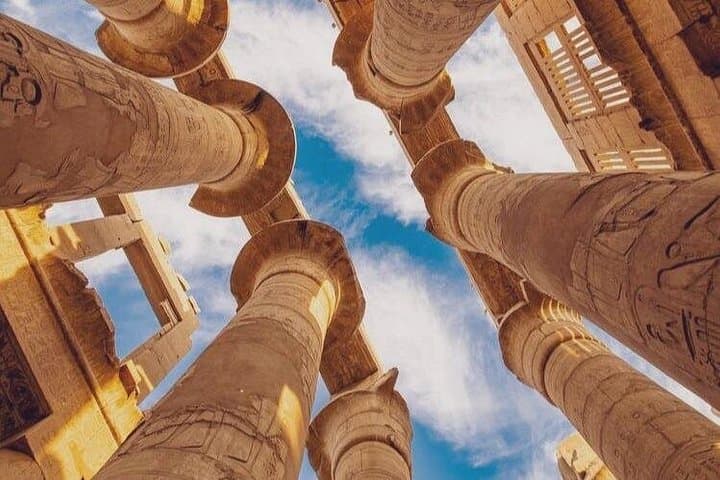
On this short but full itinerary you cross three millennia in a single voyage: the New Kingdom tombs of the Valley of the Kings, Hatshepsut’s terraced mortuary temple, the hypostyle halls of Karnak and Luxor, the Greco-Roman lines of Edfu’s Horus temple, Kom Ombo’s dual shrines, and Ramesses II’s rock-carved Abu Simbel further south. Geologically the route follows a narrow Nile corridor carved into limestone and sandstone, where high desert bluffs frame cultivable floodplain.
River culture is immediate — farmers tending narrow plots, small towns trading by boat, and Nubian villages with painted houses near Aswan. Expect early pickups for balloon flights and daybreak temple walks; most archaeology is best seen in morning light or late afternoon to avoid the heat.
Practical guidance: pack sturdy walking shoes for uneven temple floors, sun protection and a reusable water bottle for long exposed walks, and photocopies of passport documents for museum and border procedures. Plan for early starts (hot-air balloons and Valley visits often begin pre-dawn), carry small local currency for tips and market purchases, and allow time for the shared transfer to Abu Simbel. The cruise balances relaxed river travel with active, short excursions — bring layers for cool nights on deck and a focused curiosity for close-up history.
Most nationalities require an Egyptian visa; check entry rules before travel and carry a passport valid for at least six months.
The itinerary includes an Abu Simbel transfer (shared) on day three — confirm timing as it may be an early round-trip and involves additional transit.
Meals from lunch on day one through breakfast on the final day are included; check whether beverages are covered or available for purchase.
The itinerary offers an optional early morning balloon flight over Luxor’s west bank; availability depends on weather and local operators, and it may be an extra cost.
Nile Prince Travel operates guided outdoor trips and adventures with an emphasis on safety, stewardship, and memorable experiences.
Dawn finds the cruise moored on Luxor's east bank; dusted pylons and palm-line gardens slide by as the ship loosens its lines. Early light picks out the colossi and temple pylons while feluccas drift like punctuation along the river — a quiet, moving introduction to ancient Egypt.
Dawn finds the cruise moored on Luxor's east bank; dusted pylons and palm-line gardens slide by as the ship loosens its lines. Early light picks out the colossi and temple pylons while feluccas drift like punctuation along the river — a quiet, moving introduction to ancient Egypt.
On this short but full itinerary you cross three millennia in a single voyage: the New Kingdom tombs of the Valley of the Kings, Hatshepsut’s terraced mortuary temple, the hypostyle halls of Karnak and Luxor, the Greco-Roman lines of Edfu’s Horus temple, Kom Ombo’s dual shrines, and Ramesses II’s rock-carved Abu Simbel further south. Geologically the route follows a narrow Nile corridor carved into limestone and sandstone, where high desert bluffs frame cultivable floodplain.
River culture is immediate — farmers tending narrow plots, small towns trading by boat, and Nubian villages with painted houses near Aswan. Expect early pickups for balloon flights and daybreak temple walks; most archaeology is best seen in morning light or late afternoon to avoid the heat.
Practical guidance: pack sturdy walking shoes for uneven temple floors, sun protection and a reusable water bottle for long exposed walks, and photocopies of passport documents for museum and border procedures. Plan for early starts (hot-air balloons and Valley visits often begin pre-dawn), carry small local currency for tips and market purchases, and allow time for the shared transfer to Abu Simbel. The cruise balances relaxed river travel with active, short excursions — bring layers for cool nights on deck and a focused curiosity for close-up history.
