THE ADVENTURE COLLECTIVE® · Independent discovery and booking for outdoor travel

Combine morning and afternoon tiger drives with a dawn fort visit and a Chambal river boat trip on this two-night Ranthambore package. Expect early starts, shared gypsy safaris, and close encounters with the park’s dry-forest wildlife.
Combine morning and afternoon tiger drives with a dawn fort visit and a Chambal river boat trip on this two-night Ranthambore package. Expect early starts, shared gypsy safaris, and close encounters with the park’s dry-forest wildlife.
A low dawn light slips along the grasses as the gypsy idles at the edge of a salt lick; the guide’s hand tightens on the throttle and the forest answers with a distant call. This two-night Ranthambore safari strings together morning and afternoon drives through dry-deciduous forest, a sunrise visit to Ranthambore Fort, and a quieter waterborne leg on the Chambal River where the river’s current moves with intent.
Verified experiences and guided adventures in the surrounding area.
Operated by India saying namaste Trips · Sawai Madhopur, Rajasthan
A low dawn light slips along the grasses as the gypsy idles at the edge of a salt lick; the guide’s hand tightens on the throttle and the forest answers with a distant call. This two-night Ranthambore safari strings together morning and afternoon drives through dry-deciduous forest, a sunrise visit to Ranthambore Fort, and a quieter waterborne leg on the Chambal River where the river’s current moves with intent.
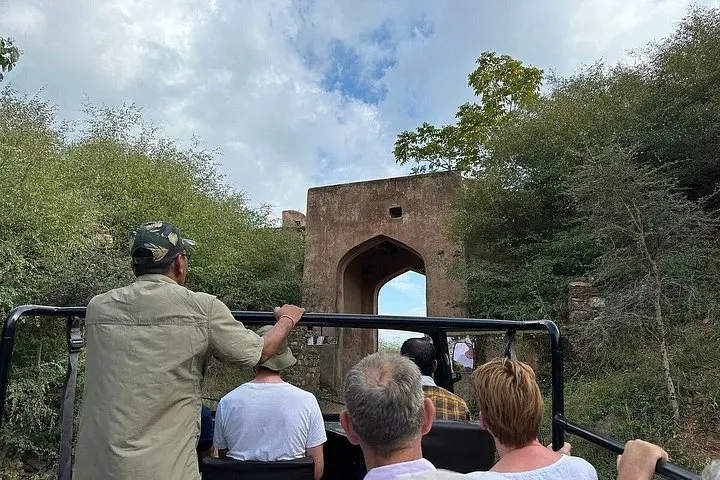
Ranthambore’s stone fort rises from the park’s western hills, a 10th–13th century stronghold that gives context to the park’s mix of rocky outcrops and alluvial plains. Geologically, the landscape shifts from granite tors and boulders to seasonally flooded grasslands—habitat that suits ambush predators like the Bengal tiger. Local culture in nearby Sawai Madhopur reflects Rajput history and riverside farming; small temple shrines, including Ganesh temple visits, are woven into the tour.
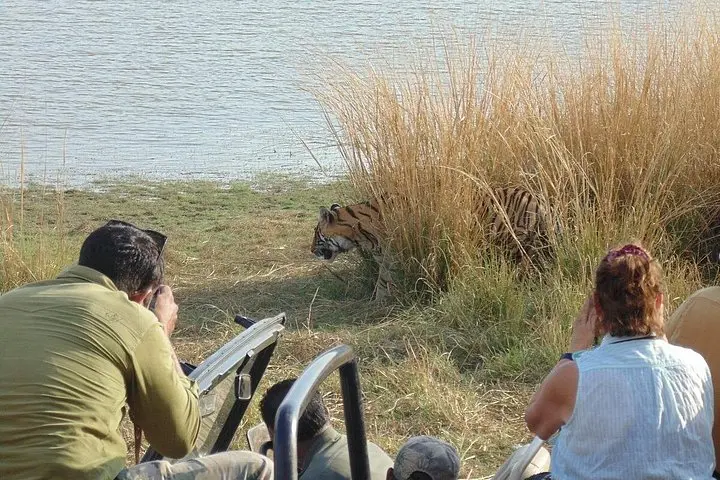
Practically, expect two shared safaris (morning and afternoon) in open gypsies or 20-seat cantars, plus private transfers to and from Jaipur. Drives are timed to animal activity—early starts and late-afternoon windows—so pack layers for temperature swings, binoculars for long looks, and a camera with fast autofocus. The Chambal boat safari introduces different wildlife: riverbank birds and rare gharials, and it’s quieter than the jeep zones.
Logistics: permits and park zones dictate routes; sightings aren’t guaranteed but guides improve odds with local knowledge. Bring reusable water, respect distance rules for wildlife, and allow travel time for the Jaipur–Sawai Madhopur transfer to avoid rushed drives.
October to March is the most reliable season: cooler temperatures and clear days concentrate animals at waterholes, improving visibility.
No. Safaris increase your chances through zone selection and experienced guides, but tigers are wild animals and sightings cannot be promised.
Each safari drive is usually about 2–3 hours in open gypsies or 20-seat cantars, with morning and afternoon departures according to park schedules.
Yes—this itinerary offers private round-trip transport from Jaipur with the option to be dropped in Agra on request; confirm when booking.
India saying namaste Trips operates guided outdoor trips and adventures with an emphasis on safety, stewardship, and memorable experiences.


A low dawn light slips along the grasses as the gypsy idles at the edge of a salt lick; the guide’s hand tightens on the throttle and the forest answers with a distant call. This two-night Ranthambore safari strings together morning and afternoon drives through dry-deciduous forest, a sunrise visit to Ranthambore Fort, and a quieter waterborne leg on the Chambal River where the river’s current moves with intent.
A low dawn light slips along the grasses as the gypsy idles at the edge of a salt lick; the guide’s hand tightens on the throttle and the forest answers with a distant call. This two-night Ranthambore safari strings together morning and afternoon drives through dry-deciduous forest, a sunrise visit to Ranthambore Fort, and a quieter waterborne leg on the Chambal River where the river’s current moves with intent.
Ranthambore’s stone fort rises from the park’s western hills, a 10th–13th century stronghold that gives context to the park’s mix of rocky outcrops and alluvial plains. Geologically, the landscape shifts from granite tors and boulders to seasonally flooded grasslands—habitat that suits ambush predators like the Bengal tiger. Local culture in nearby Sawai Madhopur reflects Rajput history and riverside farming; small temple shrines, including Ganesh temple visits, are woven into the tour.
Practically, expect two shared safaris (morning and afternoon) in open gypsies or 20-seat cantars, plus private transfers to and from Jaipur. Drives are timed to animal activity—early starts and late-afternoon windows—so pack layers for temperature swings, binoculars for long looks, and a camera with fast autofocus. The Chambal boat safari introduces different wildlife: riverbank birds and rare gharials, and it’s quieter than the jeep zones.
Logistics: permits and park zones dictate routes; sightings aren’t guaranteed but guides improve odds with local knowledge. Bring reusable water, respect distance rules for wildlife, and allow travel time for the Jaipur–Sawai Madhopur transfer to avoid rushed drives.