THE ADVENTURE COLLECTIVE® · Independent discovery and booking for outdoor travel

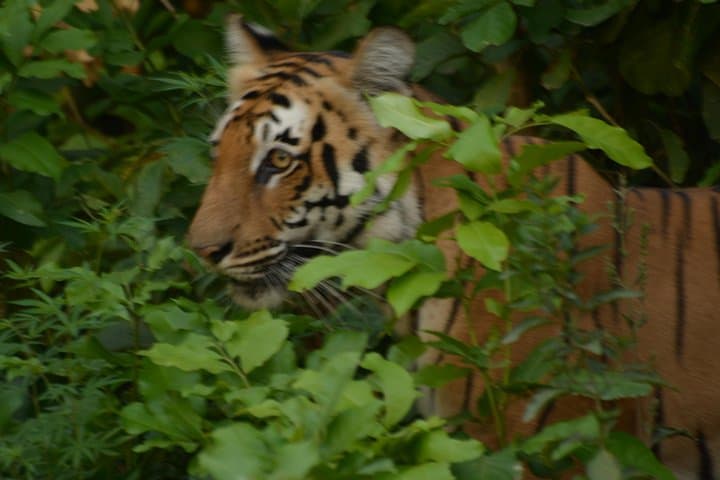
Spend two nights at Dhikala Forest Rest House for early‑morning tiger safaris, grassland photography and close encounters with Jim Corbett’s rich birdlife. Plan for pre‑dawn departures, government gypsy safaris, and basic on‑site accommodation.
Spend two nights at Dhikala Forest Rest House for early‑morning tiger safaris, grassland photography and close encounters with Jim Corbett’s rich birdlife. Plan for pre‑dawn departures, government gypsy safaris, and basic on‑site accommodation.
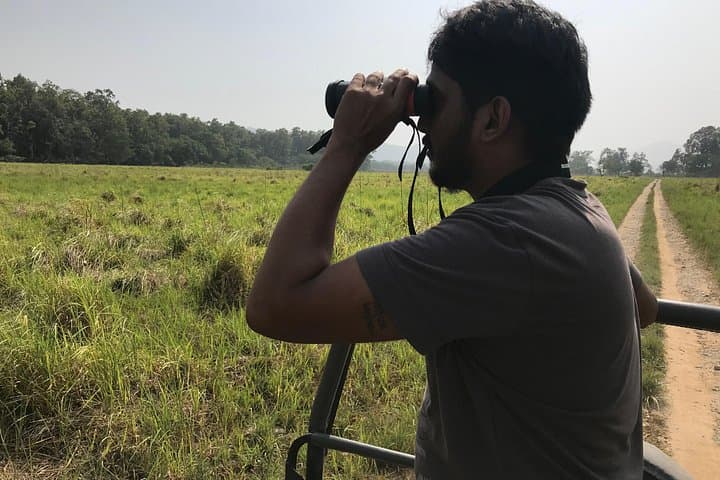
Dawn light lifts the mist from Patlidoon’s grasslands and the Dhikala plains open like a page in motion — deer melt into tall grass, and birds punctuate the air with insistent calls. Guests on a two‑night Dhikala stay wake before the sun for early jeep safaris that thread through riverine forest and open meadows beneath the Shivalik foothills.
Verified experiences and guided adventures in the surrounding area.
Operated by Jim Corbett Experience- Feel The Wild · Ramnagar, Uttarakhand
Dawn light lifts the mist from Patlidoon’s grasslands and the Dhikala plains open like a page in motion — deer melt into tall grass, and birds punctuate the air with insistent calls. Guests on a two‑night Dhikala stay wake before the sun for early jeep safaris that thread through riverine forest and open meadows beneath the Shivalik foothills.
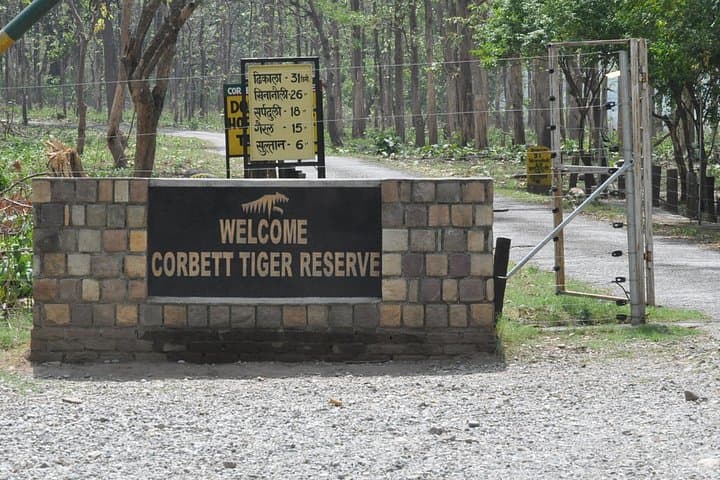
Jim Corbett National Park, created in 1936 and named for the hunter‑turned‑conservationist Jim Corbett, conserves Himalayan foothill ecology and one of India’s earliest tiger habitats. The Shivalik geology forms steep ridges and valleys; alluvial plains near the Ramganga river create the wide grassy glades that attract herbivores — and the predators that follow.
Local Kumaoni communities and forest staff shape the human side of Dhikala: the rest house culture, morning chai rituals, and how wildlife viewing follows decades of anti‑poaching and habitat management. Photographers prize the low, golden light on the grasslands; birders tally hornbills, eagles and migratory warblers.
Practical guidance: the Dhikala stay runs on government‑approved gypsies and requires early starts — expect 4‑hour safari windows each outing and bumpy tracks. The park closes in the monsoon (mid‑June to mid‑November), so plan around the official season. Bring layered clothing for cold mornings, binoculars, insect repellent and a good zoom lens for photography; follow guide instructions closely and keep noise to a minimum. Expect rustic but secure forest rest house accommodation with basic meals, limited connectivity and unforgettable wildlife mornings — patience and quiet greatly increase sighting chances.
No — the park typically closes for the monsoon; the popular tourist season runs roughly mid‑November to mid‑June, with exact dates set by authorities.
Dhikala has one of the park’s higher tiger concentrations, so sightings are probable but never guaranteed; experienced guides improve odds through tracks and area knowledge.
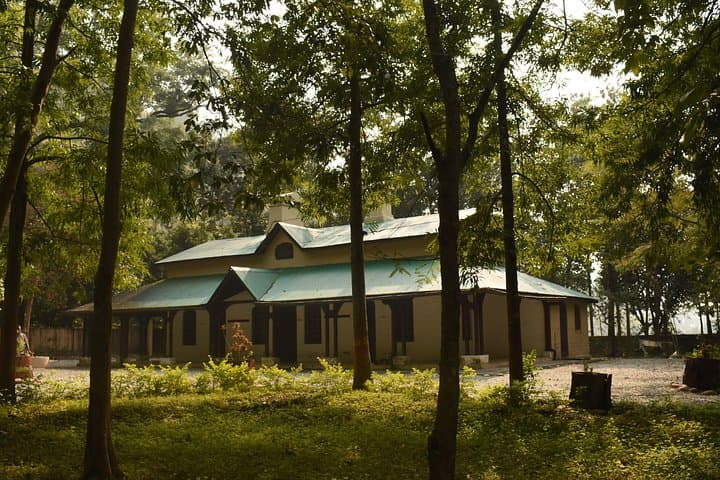
Accommodation is a government forest rest house: basic, secure rooms with hot meals, limited electricity and minimal connectivity — focused on wildlife experience rather than luxury.
Children are allowed but rules vary by rest house and gypsy capacity; confirm age policies and permit requirements when booking.
Jim Corbett Experience- Feel The Wild operates guided outdoor trips and adventures with an emphasis on safety, stewardship, and memorable experiences.
Dawn light lifts the mist from Patlidoon’s grasslands and the Dhikala plains open like a page in motion — deer melt into tall grass, and birds punctuate the air with insistent calls. Guests on a two‑night Dhikala stay wake before the sun for early jeep safaris that thread through riverine forest and open meadows beneath the Shivalik foothills.
Dawn light lifts the mist from Patlidoon’s grasslands and the Dhikala plains open like a page in motion — deer melt into tall grass, and birds punctuate the air with insistent calls. Guests on a two‑night Dhikala stay wake before the sun for early jeep safaris that thread through riverine forest and open meadows beneath the Shivalik foothills.
Jim Corbett National Park, created in 1936 and named for the hunter‑turned‑conservationist Jim Corbett, conserves Himalayan foothill ecology and one of India’s earliest tiger habitats. The Shivalik geology forms steep ridges and valleys; alluvial plains near the Ramganga river create the wide grassy glades that attract herbivores — and the predators that follow.
Local Kumaoni communities and forest staff shape the human side of Dhikala: the rest house culture, morning chai rituals, and how wildlife viewing follows decades of anti‑poaching and habitat management. Photographers prize the low, golden light on the grasslands; birders tally hornbills, eagles and migratory warblers.
Practical guidance: the Dhikala stay runs on government‑approved gypsies and requires early starts — expect 4‑hour safari windows each outing and bumpy tracks. The park closes in the monsoon (mid‑June to mid‑November), so plan around the official season. Bring layered clothing for cold mornings, binoculars, insect repellent and a good zoom lens for photography; follow guide instructions closely and keep noise to a minimum. Expect rustic but secure forest rest house accommodation with basic meals, limited connectivity and unforgettable wildlife mornings — patience and quiet greatly increase sighting chances.