THE ADVENTURE COLLECTIVE® · Independent discovery and booking for outdoor travel

Drive west from New Orleans to walk beneath the 28 oaks of Oak Alley and follow the audio-guided, hard-hitting stories at Whitney Plantation. This full-day cultural tour combines grand antebellum architecture with candid interpretation of slavery and its legacies.
Drive west from New Orleans to walk beneath the 28 oaks of Oak Alley and follow the audio-guided, hard-hitting stories at Whitney Plantation. This full-day cultural tour combines grand antebellum architecture with candid interpretation of slavery and its legacies.
You step off the air-conditioned van into a corridor of live oaks whose branches reach for one another like hands across history. The alley at Oak Alley demands attention: 28 massive oaks form a shaded avenue that frames a white-columned antebellum house and the slow, wide presence of the Mississippi River beyond.
Verified experiences and guided adventures in the surrounding area.
Operated by CRESCENT CITY TOURS & TRANSPORTATION · Vacherie, Louisiana
You step off the air-conditioned van into a corridor of live oaks whose branches reach for one another like hands across history. The alley at Oak Alley demands attention: 28 massive oaks form a shaded avenue that frames a white-columned antebellum house and the slow, wide presence of the Mississippi River beyond.
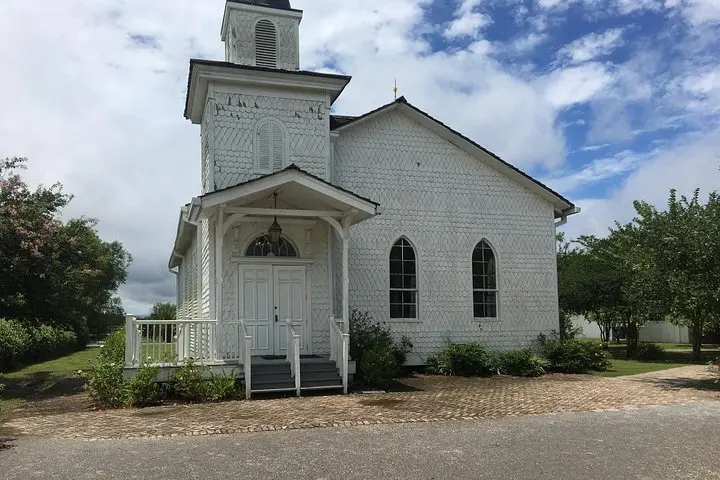
This paired-plantation tour balances the cinematic grandeur of Oak Alley with the quieter, corrective focus of Whitney (or Laura) Plantation. Oak Alley illustrates plantation architecture and 19th-century planters' lives; Whitney centers the lives of enslaved people with audio-guided narratives and a preserved slave cabin footprint and the Antioch church built by freed people after the Civil War. The landscape is Gulf Coast alluvial plain — low, flat fields once planted in indigo and sugarcane, now dotted with moss-draped trees and tidal marshes.
Expect walkable grounds, interpretive signs, and emotionally heavy material at Whitney: slavery is presented directly and without sugarcoating. The route passes film locations and river parishes, where sugarcane fields and bayous shape local culture and cuisine.
Practical notes: tours run about seven hours round-trip from New Orleans with restroom stops and light walking; comfortable shoes and sun protection matter more than fitness. Bring water, a charged phone for photos, and respect silence during transit. Allow time to read exhibits at Whitney — the audio guide rewards slow listening. Arrive with openness: this is part historical house tour, part living history lesson that asks more questions than it answers.
The tour is approximately seven hours round-trip and typically departs from New Orleans; check your booking for the exact pickup location and time.
Some departures feature Oak Alley plus either Laura or Whitney; the itinerary or supplier notes which plantation is included on your selected date—confirm at booking.
Whitney contains direct and mature content about slavery; while children can attend, parents should preview materials and consider age-appropriate guidance.
This tour includes round-trip transport in an air-conditioned vehicle; admission policies depend on the supplier—confirm whether entry fees are covered in your booking confirmation.
CRESCENT CITY TOURS & TRANSPORTATION operates guided outdoor trips and adventures with an emphasis on safety, stewardship, and memorable experiences.
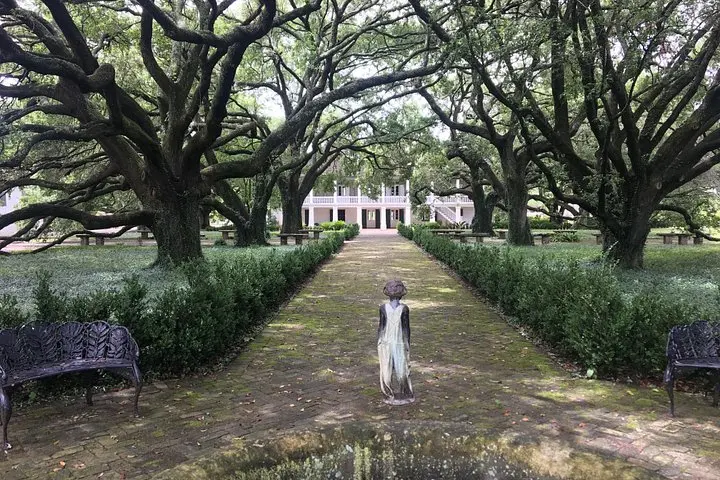
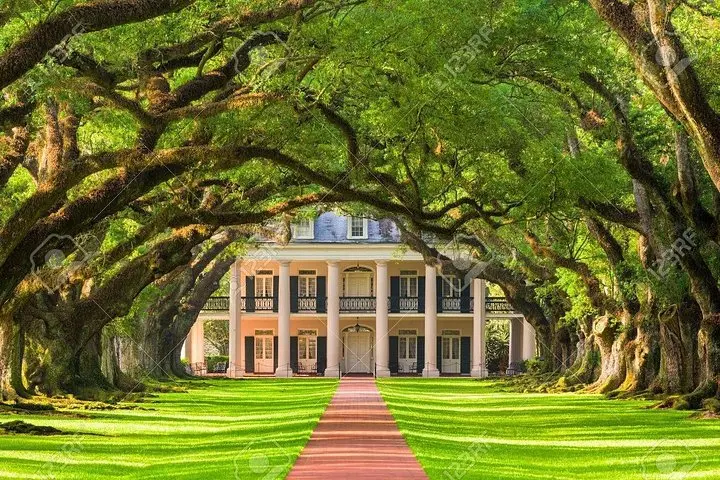
You step off the air-conditioned van into a corridor of live oaks whose branches reach for one another like hands across history. The alley at Oak Alley demands attention: 28 massive oaks form a shaded avenue that frames a white-columned antebellum house and the slow, wide presence of the Mississippi River beyond.
You step off the air-conditioned van into a corridor of live oaks whose branches reach for one another like hands across history. The alley at Oak Alley demands attention: 28 massive oaks form a shaded avenue that frames a white-columned antebellum house and the slow, wide presence of the Mississippi River beyond.
This paired-plantation tour balances the cinematic grandeur of Oak Alley with the quieter, corrective focus of Whitney (or Laura) Plantation. Oak Alley illustrates plantation architecture and 19th-century planters' lives; Whitney centers the lives of enslaved people with audio-guided narratives and a preserved slave cabin footprint and the Antioch church built by freed people after the Civil War. The landscape is Gulf Coast alluvial plain — low, flat fields once planted in indigo and sugarcane, now dotted with moss-draped trees and tidal marshes.
Expect walkable grounds, interpretive signs, and emotionally heavy material at Whitney: slavery is presented directly and without sugarcoating. The route passes film locations and river parishes, where sugarcane fields and bayous shape local culture and cuisine.
Practical notes: tours run about seven hours round-trip from New Orleans with restroom stops and light walking; comfortable shoes and sun protection matter more than fitness. Bring water, a charged phone for photos, and respect silence during transit. Allow time to read exhibits at Whitney — the audio guide rewards slow listening. Arrive with openness: this is part historical house tour, part living history lesson that asks more questions than it answers.