THE ADVENTURE COLLECTIVE® · Independent discovery and booking for outdoor travel

Board a morning boat from Cruz Bay for two guided reef dives, typically 30–80 ft, led by a local divemaster. Ideal for certified divers who want efficient access to St. John’s protected reefs and frequent turtle and reef fish sightings.
Board a morning boat from Cruz Bay for two guided reef dives, typically 30–80 ft, led by a local divemaster. Ideal for certified divers who want efficient access to St. John’s protected reefs and frequent turtle and reef fish sightings.
The boat slips from Cruz Bay at first light and the harbor exhales salt and motor oil. You feel the swell underfoot as the captain eases toward the north and south shore reefs; sunlight slices the water and the divemaster briefs the group while warm trade winds push the bow forward.
Verified experiences and guided adventures in the surrounding area.
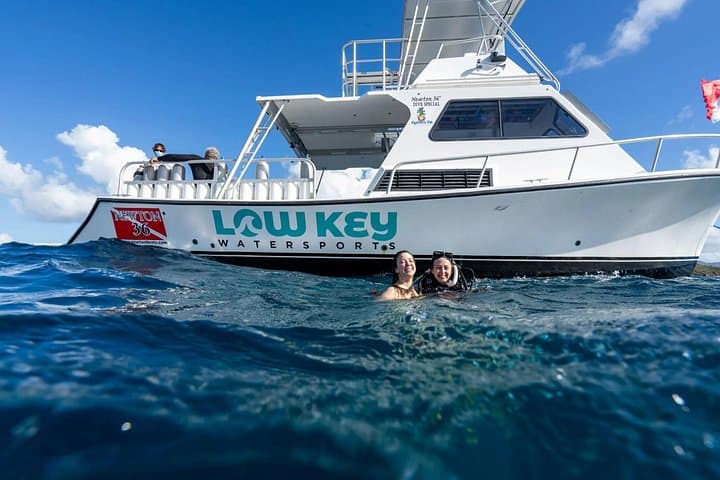
Operated by Low Key Watersports · Cruz Bay, U.S. Virgin Islands
The boat slips from Cruz Bay at first light and the harbor exhales salt and motor oil. You feel the swell underfoot as the captain eases toward the north and south shore reefs; sunlight slices the water and the divemaster briefs the group while warm trade winds push the bow forward.
Geology here is visible beneath the surface: volcanic foundations capped by Caribbean carbonate growth create shelves, ledges, and coral heads that the dives explore. St. John sits largely inside the Virgin Islands National Park, an area with plantation ruins and a maritime history shaped by fishing and early colonial trade—local crews still read currents the way sailors once read stars.
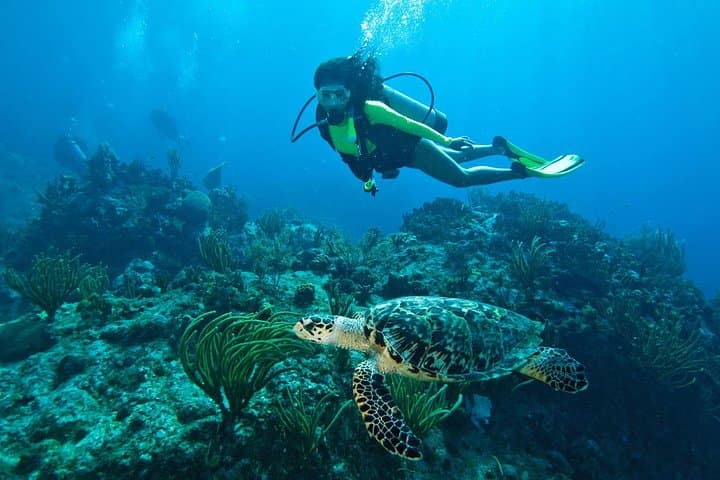
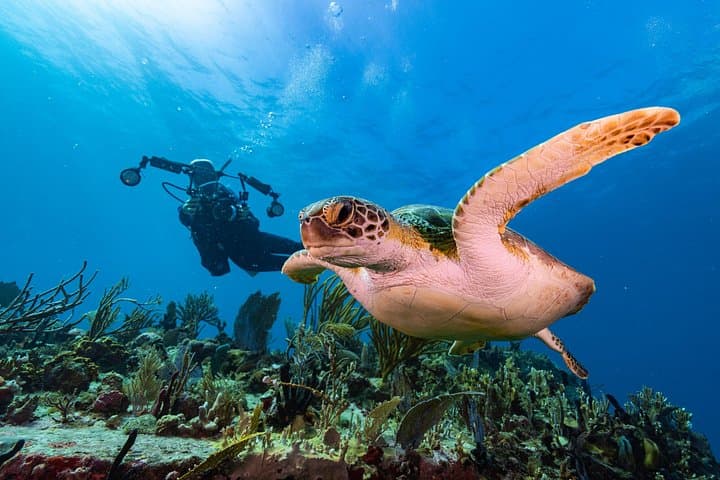
Expect two guided dives on local reef sites, most between 30 and 80 feet deep, with swim-throughs, coral gardens, and intermittent sand channels where sea turtles and schooling jacks pass. The divemaster leads small groups, pointing out reef structure and marine life while handling navigation and safety stops.
Practically, arrive hydrated, with a recent log entry and your certification card; dives run about three hours from check-in to return. Water temps hover in the high 70s–low 80s F; bring a 3mm suit if you get cold. Seas can be calm in the morning but build with trade winds; if you’re prone to motion sickness, take precautions before boarding.
This trip suits certified divers wanting accessible reef exploration without long runs—good boat handling, solid buoyancy, and respect for reef rules will make the morning both efficient and memorable.
Yes—this trip is for certified divers; you must show a valid certification card (Open Water or higher) and have recent dive experience.
Most sites range from about 30 to 80 feet; the divemaster selects sites appropriate for the group’s experience.
Use of SCUBA and snorkel equipment is typically included, but many divers bring personal masks or computers for fit and familiarity.
Operators will cancel for unsafe weather; check the 24-hour full refund window and confirm alternatives if a trip is canceled.
Low Key Watersports operates guided outdoor trips and adventures with an emphasis on safety, stewardship, and memorable experiences.
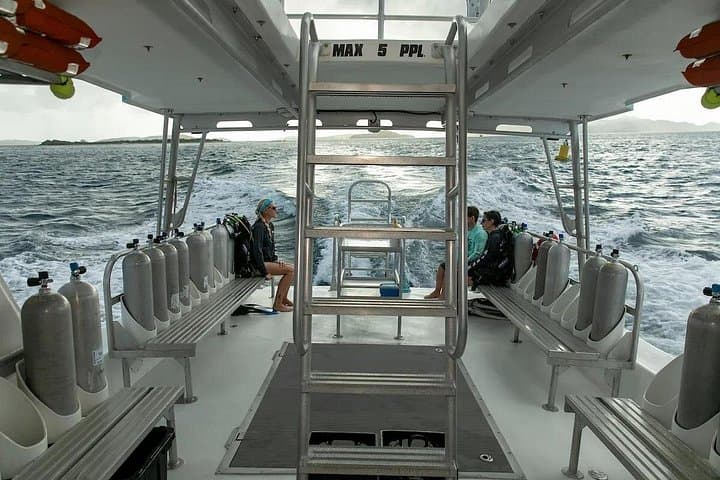
The boat slips from Cruz Bay at first light and the harbor exhales salt and motor oil. You feel the swell underfoot as the captain eases toward the north and south shore reefs; sunlight slices the water and the divemaster briefs the group while warm trade winds push the bow forward.
The boat slips from Cruz Bay at first light and the harbor exhales salt and motor oil. You feel the swell underfoot as the captain eases toward the north and south shore reefs; sunlight slices the water and the divemaster briefs the group while warm trade winds push the bow forward.
Geology here is visible beneath the surface: volcanic foundations capped by Caribbean carbonate growth create shelves, ledges, and coral heads that the dives explore. St. John sits largely inside the Virgin Islands National Park, an area with plantation ruins and a maritime history shaped by fishing and early colonial trade—local crews still read currents the way sailors once read stars.
Expect two guided dives on local reef sites, most between 30 and 80 feet deep, with swim-throughs, coral gardens, and intermittent sand channels where sea turtles and schooling jacks pass. The divemaster leads small groups, pointing out reef structure and marine life while handling navigation and safety stops.
Practically, arrive hydrated, with a recent log entry and your certification card; dives run about three hours from check-in to return. Water temps hover in the high 70s–low 80s F; bring a 3mm suit if you get cold. Seas can be calm in the morning but build with trade winds; if you’re prone to motion sickness, take precautions before boarding.
This trip suits certified divers wanting accessible reef exploration without long runs—good boat handling, solid buoyancy, and respect for reef rules will make the morning both efficient and memorable.