THE ADVENTURE COLLECTIVE® · Independent discovery and booking for outdoor travel

Stand at the rim of Costa Rica’s tallest volcano and then visit the raw, active slopes of its hidden sibling—one full day, small groups, and local insight. This guided tour from San José pairs dramatic crater views with Cartago’s cultural stops for a compact, unforgettable volcanic day trip.
Stand at the rim of Costa Rica’s tallest volcano and then visit the raw, active slopes of its hidden sibling—one full day, small groups, and local insight. This guided tour from San José pairs dramatic crater views with Cartago’s cultural stops for a compact, unforgettable volcanic day trip.
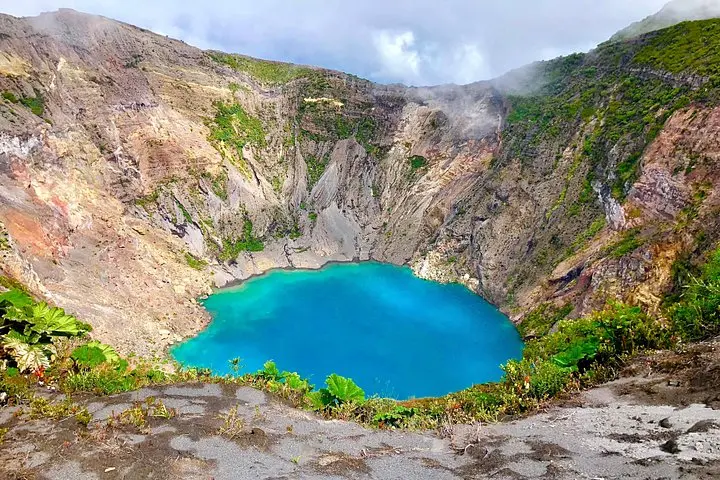
The bus climbs out of San José before dawn, fog thinning to reveal terraces of coffee and the first hints of volcanic rock. By mid-morning you stand at the rim of Irazú—Costa Rica’s highest accessible volcano—where wind cuts across a crater like a blade and the landscape reads like a geologist’s field notebook: oxidized yellows, black clinker, and bands of compacted ash stretching toward the horizon. Your guide, a local with both scientific curiosity and a storyteller’s timing, points out fumaroles and the layered scars of past eruptions while passing along the practicalities—how altitude bites and when to expect the clouds.
Verified experiences and guided adventures in the surrounding area.
Operated by Adrian Gutierrez · Cartago, Cartago Province
The bus climbs out of San José before dawn, fog thinning to reveal terraces of coffee and the first hints of volcanic rock. By mid-morning you stand at the rim of Irazú—Costa Rica’s highest accessible volcano—where wind cuts across a crater like a blade and the landscape reads like a geologist’s field notebook: oxidized yellows, black clinker, and bands of compacted ash stretching toward the horizon. Your guide, a local with both scientific curiosity and a storyteller’s timing, points out fumaroles and the layered scars of past eruptions while passing along the practicalities—how altitude bites and when to expect the clouds.
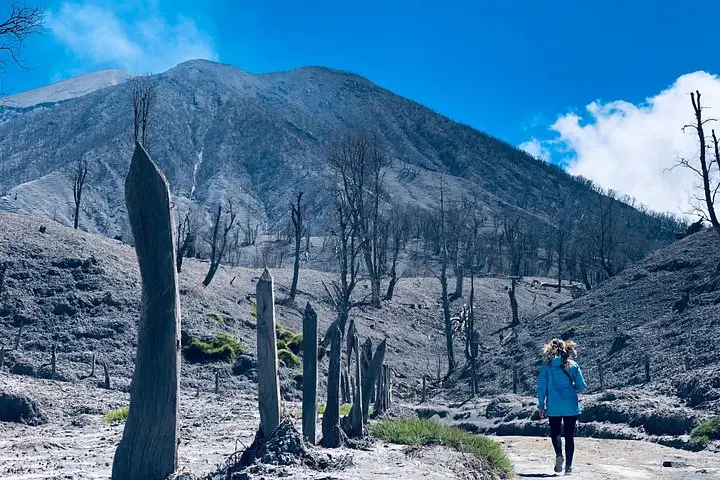
Irazú (about 3,432 m/11,260 ft) and Turrialba (roughly 3,340 m/10,958 ft) are geological siblings with very different personalities. Irazú is famous—parked buses, crater loops, panoramic overlooks—while Turrialba sits more raw, its cone still restless since eruptions in 2014–2016. Where Irazú’s broad caldera feels lunar and accessible, Turrialba offers an up-close look at impact zones: stripped slopes, trunks scarred by ash, and the slow choreography of regrowth.
Between volcanic stops the itinerary threads into the human history of Cartago. The Basilica de Nuestra Señora de los Ángeles anchors local faith and pilgrimage; the ruined parish walls of old Cartago tell of earthquakes that remade the town and its identity. A detour past Finca Sanatorio Durán—an old tuberculosis hospital turned eerie viewpoint—adds a cinematic note to the day. These cultural stops make the route more than geology: they turn the tour into a cross-section of Costa Rica’s natural and social landscape.
Practical matters are integrated into the experience. The tour runs 7–9 hours, with hotel pickup across the San José metro area and small groups capped at seven. Entrance fees to both parks are extra (about $35 per person), and the van typically has onboard Wi‑Fi and bottled water. Expect variable weather—sun followed by sudden cloud and gusts—and bring layers, a sturdy pair of shoes, sun protection, and plenty of water.
For photographers and hikers the rewards are immediate: crater textures at Irazú, the raw cone silhouette of Turrialba, and the patchwork farms below. Guides often shoot and share photos, but come prepared to frame your own. If you’re sensitive to altitude or have cardiovascular concerns, mention it when booking—this is a high‑altitude day and the terrain, while not technical, requires steady footing and moderate fitness.
This is a tour that balances drama and detail: two contrasting volcanoes, a dose of local history, and the kind of intimate access that turns a day trip into a durable travel memory.
The tour lasts roughly 7–9 hours (420–540 minutes), with hotel pickup about one hour before the scheduled departure; exact pickup time is confirmed after booking.
No—entrance tickets to Irazú and Turrialba are not included and are approximately $35 per person, paid separately.
Not recommended for those with serious cardiovascular issues; children can attend but parents should consider altitude and walkability of crater rims.
Walks are short but on uneven, sometimes loose volcanic soil—moderate fitness and steady footing are required, but no technical climbing.
Turrialba is active and often emits gases and ash; visibility and activity vary—guides monitor conditions and approach observation zones safely.
Wide-angle lens for panoramas, a telephoto for distant cone shots, UV filter to protect from ash, extra batteries, and a dry bag for sudden rain.
Adrian Gutierrez operates guided outdoor trips and adventures with an emphasis on safety, stewardship, and memorable experiences.
The bus climbs out of San José before dawn, fog thinning to reveal terraces of coffee and the first hints of volcanic rock. By mid-morning you stand at the rim of Irazú—Costa Rica’s highest accessible volcano—where wind cuts across a crater like a blade and the landscape reads like a geologist’s field notebook: oxidized yellows, black clinker, and bands of compacted ash stretching toward the horizon. Your guide, a local with both scientific curiosity and a storyteller’s timing, points out fumaroles and the layered scars of past eruptions while passing along the practicalities—how altitude bites and when to expect the clouds.
The bus climbs out of San José before dawn, fog thinning to reveal terraces of coffee and the first hints of volcanic rock. By mid-morning you stand at the rim of Irazú—Costa Rica’s highest accessible volcano—where wind cuts across a crater like a blade and the landscape reads like a geologist’s field notebook: oxidized yellows, black clinker, and bands of compacted ash stretching toward the horizon. Your guide, a local with both scientific curiosity and a storyteller’s timing, points out fumaroles and the layered scars of past eruptions while passing along the practicalities—how altitude bites and when to expect the clouds.
Irazú (about 3,432 m/11,260 ft) and Turrialba (roughly 3,340 m/10,958 ft) are geological siblings with very different personalities. Irazú is famous—parked buses, crater loops, panoramic overlooks—while Turrialba sits more raw, its cone still restless since eruptions in 2014–2016. Where Irazú’s broad caldera feels lunar and accessible, Turrialba offers an up-close look at impact zones: stripped slopes, trunks scarred by ash, and the slow choreography of regrowth.
Between volcanic stops the itinerary threads into the human history of Cartago. The Basilica de Nuestra Señora de los Ángeles anchors local faith and pilgrimage; the ruined parish walls of old Cartago tell of earthquakes that remade the town and its identity. A detour past Finca Sanatorio Durán—an old tuberculosis hospital turned eerie viewpoint—adds a cinematic note to the day. These cultural stops make the route more than geology: they turn the tour into a cross-section of Costa Rica’s natural and social landscape.
Practical matters are integrated into the experience. The tour runs 7–9 hours, with hotel pickup across the San José metro area and small groups capped at seven. Entrance fees to both parks are extra (about $35 per person), and the van typically has onboard Wi‑Fi and bottled water. Expect variable weather—sun followed by sudden cloud and gusts—and bring layers, a sturdy pair of shoes, sun protection, and plenty of water.
For photographers and hikers the rewards are immediate: crater textures at Irazú, the raw cone silhouette of Turrialba, and the patchwork farms below. Guides often shoot and share photos, but come prepared to frame your own. If you’re sensitive to altitude or have cardiovascular concerns, mention it when booking—this is a high‑altitude day and the terrain, while not technical, requires steady footing and moderate fitness.
This is a tour that balances drama and detail: two contrasting volcanoes, a dose of local history, and the kind of intimate access that turns a day trip into a durable travel memory.