
Two-Week Sri Lanka Adventure: Ancient Cities, Tea Country & Southern Beaches with Holiday Walkers
Covering Sri Lanka’s ancient capitals, misty tea country and sun-washed southern beaches, this private two-week route balances archaeology, wildlife and coastal downtime. Expect temple rituals, a scenic hill-country train and close-up views of Sigiriya and the island’s tea plantations.
An Adventure In Colombo.
Covering Sri Lanka’s ancient capitals, misty tea country and sun-washed southern beaches, this private two-week route balances archaeology, wildlife and coastal downtime. Expect temple rituals, a scenic hill-country train and close-up views of Sigiriya and the island’s tea plantations.
Read the full experience
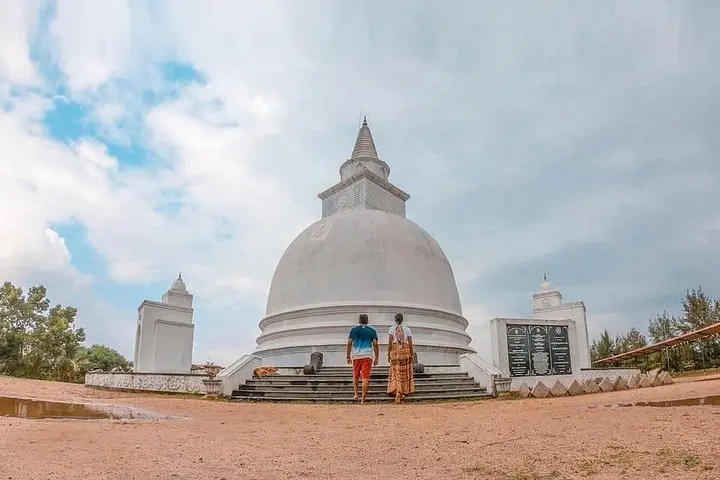
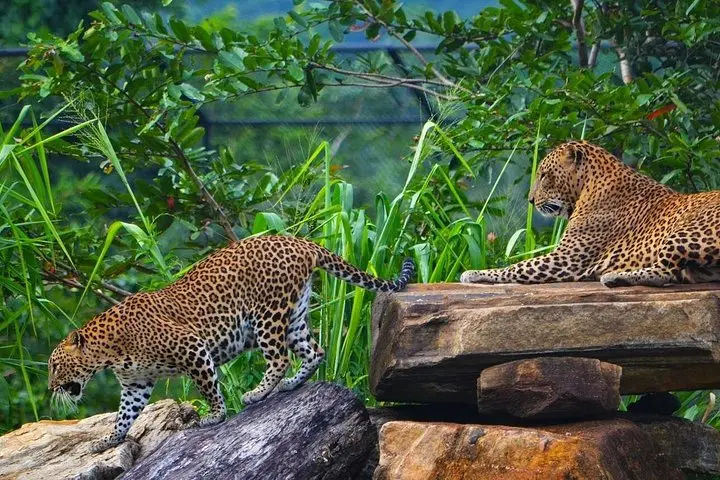
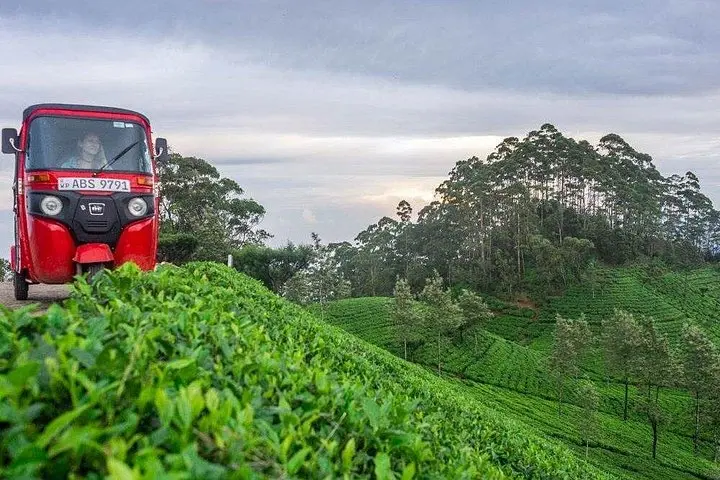
You arrive at dawn beneath a sky the color of steep tea leaves, the air carrying a humid, green scent that seems to belong to the island itself. The driver eases out of Colombo and the road opens into the dry, flat plain of the Cultural Triangle—an expanse where brick stupas climb from rice paddies and banyan roots take the place of straight lines. Over the next fourteen days the country unfolds in chapters: bronze-age ruins and temple chants in Anuradhapura, leopard country and scrub forests at Wilpattu, the climbable drama of Sigiriya’s 200-meter rock, mist-blanketed tea terraces in Nuwara Eliya, and then the crash and hush of the southern coast at Mirissa and Galle.
You arrive at dawn beneath a sky the color of steep tea leaves, the air carrying a humid, green scent that seems to belong to the island itself. The driver eases out of Colombo and the road opens into the dry, flat plain of the Cultural Triangle—an expanse where brick stupas climb from rice paddies and banyan roots take the place of straight lines. Over the next fourteen days the country unfolds in chapters: bronze-age ruins and temple chants in Anuradhapura, leopard country and scrub forests at Wilpattu, the climbable drama of Sigiriya’s 200-meter rock, mist-blanketed tea terraces in Nuwara Eliya, and then the crash and hush of the southern coast at Mirissa and Galle.
Sri Lanka’s story is layered. Anuradhapura was the island’s political and religious center for a millennium; its dagobas and ancient reservoirs reveal early hydraulic ingenuity. On the southwest coast, Galle Fort reflects three centuries of European trade and colonial architecture, its ramparts worn by the surf and by time. Geologically the island is a compact mix—Precambrian highlands folded into steep ridges and sculpted by monsoon-fed rivers, while the flat northwesterly plains collect the archaeological footprint of early kingdoms.
Culture here moves at human scale: temple rituals punctuate the day, tea pluckers move in practiced rows across emerald slopes, and fishermen in the south still launch from sand at dusk. Wilpattu’s forests hide an impressive range of mammals—leopards, elephants and sambar among them—while the highlands host endemic birds and the mischievous toque macaque.
Practical guide: the itinerary is largely road- and rail-based, with a scenic train from Nuwara Eliya to Ella that’s worth reserving in advance. Expect steep stair sections at Sigiriya and Pidurangala and easy-to-moderate hiking at Little Adam’s Peak. Elevation in the central highlands ranges roughly between 1,200–1,900 m, so pack warm layers for mornings and evenings.
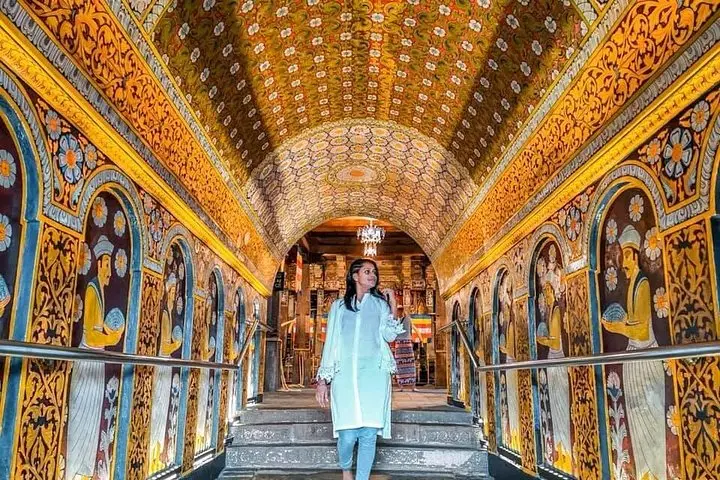
Timing matters: avoid the southwest monsoon (May–September) for beach days; instead target December–April for southern coast sun and February–April for clear skies in the Cultural Triangle. Respect temple dress codes—shoulders and knees covered—and carry both cash and a power adapter: smaller vendors still prefer cash.
Health and safety: stay hydrated, use strong sunscreen and insect repellent, and keep a respectful distance from wildlife. The tour is private and adaptable—Holiday Walkers will customize pace and pick-up points—but come prepared: good walking shoes, a lightweight rain shell and a daypack will make these two weeks both comfortable and unforgettable.
Frequently asked questions
Most nationalities require an ETA (Electronic Travel Authorization) obtained online before arrival—check current visa requirements based on your passport.
The tour includes sites with stairs and uneven terrain (Sigiriya, cave temples); some parts are wheelchair accessible but discuss mobility needs with the operator when booking.
Sri Lankan rupee (LKR) is standard; major hotels and restaurants accept cards but carry cash for markets, small eateries and rural stops.
Routine vaccinations are recommended; consult your doctor about Hepatitis A, typhoid and any current health advisories before travel.
The itinerary outlines guided visits but allows flexibility—Holiday Walkers can tailor the pace and add rest or independent exploration days on request.
Yes—Wilpattu and other reserves offer wildlife viewing opportunities but sightings are never guaranteed; book guided safaris for the best chance to see leopards and elephants.
About This Experience
Mirissa Cabs operates guided outdoor trips and adventures with an emphasis on safety, stewardship, and memorable experiences.
Adventure tips
Recommended gear
- Sturdy walking shoes: Support and grip for stair climbs at Sigiriya, hill-country trails and uneven coastal rocks.
- Lightweight rain jacket: Quick protection from sudden tropical showers, especially in the highlands.
- Sun hat & reef-safe sunscreen: Essential for long days at Sigiriya, tea walks and sun-exposed beach stops.
- Daypack with hydration bladder: Keeps water, camera and temple-covering garments accessible during day excursions.
Photos of the experience
Related adventures & guides
Read the full experience
You arrive at dawn beneath a sky the color of steep tea leaves, the air carrying a humid, green scent that seems to belong to the island itself. The driver eases out of Colombo and the road opens into the dry, flat plain of the Cultural Triangle—an expanse where brick stupas climb from rice paddies and banyan roots take the place of straight lines. Over the next fourteen days the country unfolds in chapters: bronze-age ruins and temple chants in Anuradhapura, leopard country and scrub forests at Wilpattu, the climbable drama of Sigiriya’s 200-meter rock, mist-blanketed tea terraces in Nuwara Eliya, and then the crash and hush of the southern coast at Mirissa and Galle.
You arrive at dawn beneath a sky the color of steep tea leaves, the air carrying a humid, green scent that seems to belong to the island itself. The driver eases out of Colombo and the road opens into the dry, flat plain of the Cultural Triangle—an expanse where brick stupas climb from rice paddies and banyan roots take the place of straight lines. Over the next fourteen days the country unfolds in chapters: bronze-age ruins and temple chants in Anuradhapura, leopard country and scrub forests at Wilpattu, the climbable drama of Sigiriya’s 200-meter rock, mist-blanketed tea terraces in Nuwara Eliya, and then the crash and hush of the southern coast at Mirissa and Galle.
Sri Lanka’s story is layered. Anuradhapura was the island’s political and religious center for a millennium; its dagobas and ancient reservoirs reveal early hydraulic ingenuity. On the southwest coast, Galle Fort reflects three centuries of European trade and colonial architecture, its ramparts worn by the surf and by time. Geologically the island is a compact mix—Precambrian highlands folded into steep ridges and sculpted by monsoon-fed rivers, while the flat northwesterly plains collect the archaeological footprint of early kingdoms.
Culture here moves at human scale: temple rituals punctuate the day, tea pluckers move in practiced rows across emerald slopes, and fishermen in the south still launch from sand at dusk. Wilpattu’s forests hide an impressive range of mammals—leopards, elephants and sambar among them—while the highlands host endemic birds and the mischievous toque macaque.
Practical guide: the itinerary is largely road- and rail-based, with a scenic train from Nuwara Eliya to Ella that’s worth reserving in advance. Expect steep stair sections at Sigiriya and Pidurangala and easy-to-moderate hiking at Little Adam’s Peak. Elevation in the central highlands ranges roughly between 1,200–1,900 m, so pack warm layers for mornings and evenings.
Timing matters: avoid the southwest monsoon (May–September) for beach days; instead target December–April for southern coast sun and February–April for clear skies in the Cultural Triangle. Respect temple dress codes—shoulders and knees covered—and carry both cash and a power adapter: smaller vendors still prefer cash.
Health and safety: stay hydrated, use strong sunscreen and insect repellent, and keep a respectful distance from wildlife. The tour is private and adaptable—Holiday Walkers will customize pace and pick-up points—but come prepared: good walking shoes, a lightweight rain shell and a daypack will make these two weeks both comfortable and unforgettable.
Make a day of it nearby.
Verified experiences and guided adventures in the surrounding area.