THE ADVENTURE COLLECTIVE® · Independent discovery and booking for outdoor travel

A full-day loop from Ubud that pairs ancient cave carvings, terraced rice paddies and a sacred water blessing. Spend ten hours moving through volcanic landscapes, coffee farms and living temple rituals.
A full-day loop from Ubud that pairs ancient cave carvings, terraced rice paddies and a sacred water blessing. Spend ten hours moving through volcanic landscapes, coffee farms and living temple rituals.
Morning in central Bali opens with humid air and the steady clack of scooters; on this full-day route you move from carved stone and incense at Goa Gajah to the stepped green of Tegalalang and the bubbling pools of Tirta Empul.
Verified experiences and guided adventures in the surrounding area.
Operated by Familly Tours · Ubud, Bali
Morning in central Bali opens with humid air and the steady clack of scooters; on this full-day route you move from carved stone and incense at Goa Gajah to the stepped green of Tegalalang and the bubbling pools of Tirta Empul.
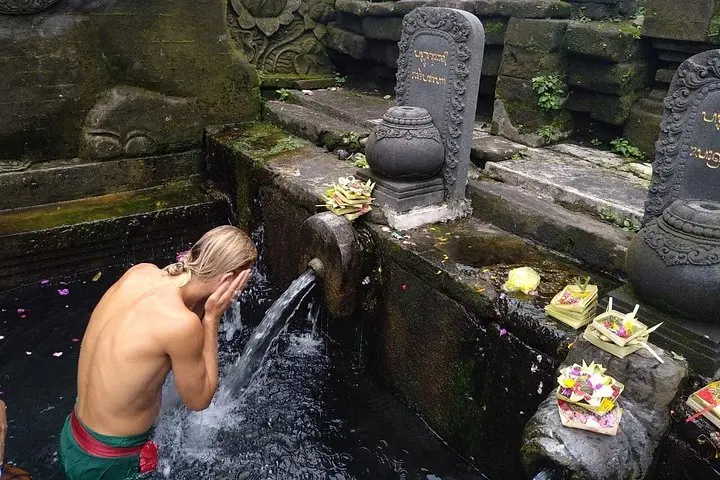
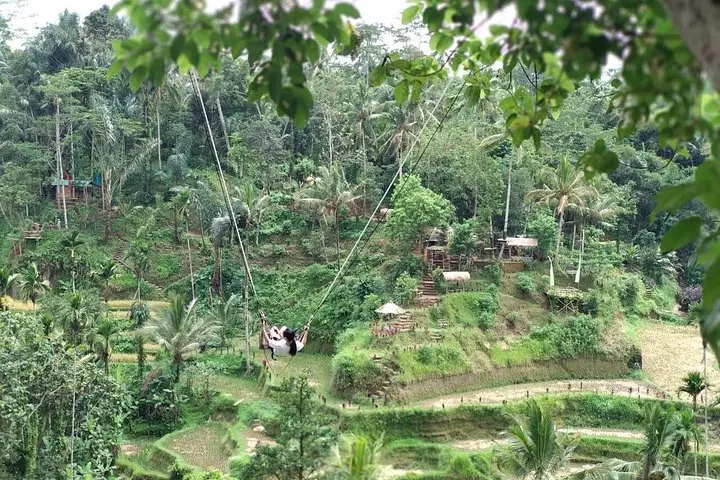
Goa Gajah (Elephant Cave) dates to the 9th century and mixes Hindu-Buddhist iconography with later Balinese ritual; its carved façade and small bathing pools reveal volcanic stone shaped by centuries of hands. The rice terraces north of Ubud sit on Pleistocene terraces reworked by generations of subak farmers — irrigation channels that still choreograph water across the landscape. Coffee farms in the area grow robusta and arabica on volcanic soils, and the final stop, Tirta Empul, is a living temple where spring water is still used for purification ceremonies.
Expect short, guided walks, photographic opportunities, and a mix of paved and uneven footpaths — steps at cave entrances and muddy sections near terraces after rain. Cultural etiquette matters: sarongs and modest shoulders at temples, quiet where locals pray, and always ask before photographing ceremonies.
Practical guidance: plan for a 10-hour day with hotel pickup, carry cash for small entrance fees and offerings, and bring a reusable water bottle and sun protection. Shoes should handle uneven terrain and occasional slippery sections; a light rain layer pays off in the wet months. Timing matters — mornings are cooler and less crowded, afternoons bring more traffic and late showers. With straightforward logistics and abundant scenery, this itinerary gives a compact, tangible introduction to central Bali’s landscape and ritual life.
Most operators include pickup from Ubud-area hotels; confirm your exact pickup point and time at booking.
Entrance fees and any donation at temples are often not included—bring local currency to cover small fees.
Yes, temples usually require a sarong and modest clothing; some tours provide sarongs but you should bring one to be sure.
Expect short guided walks of 10–30 minutes at each stop plus stairs and uneven terrain; the overall day includes time on the road between sites.
Familly Tours operates guided outdoor trips and adventures with an emphasis on safety, stewardship, and memorable experiences.
Morning in central Bali opens with humid air and the steady clack of scooters; on this full-day route you move from carved stone and incense at Goa Gajah to the stepped green of Tegalalang and the bubbling pools of Tirta Empul.
Morning in central Bali opens with humid air and the steady clack of scooters; on this full-day route you move from carved stone and incense at Goa Gajah to the stepped green of Tegalalang and the bubbling pools of Tirta Empul.
Goa Gajah (Elephant Cave) dates to the 9th century and mixes Hindu-Buddhist iconography with later Balinese ritual; its carved façade and small bathing pools reveal volcanic stone shaped by centuries of hands. The rice terraces north of Ubud sit on Pleistocene terraces reworked by generations of subak farmers — irrigation channels that still choreograph water across the landscape. Coffee farms in the area grow robusta and arabica on volcanic soils, and the final stop, Tirta Empul, is a living temple where spring water is still used for purification ceremonies.
Expect short, guided walks, photographic opportunities, and a mix of paved and uneven footpaths — steps at cave entrances and muddy sections near terraces after rain. Cultural etiquette matters: sarongs and modest shoulders at temples, quiet where locals pray, and always ask before photographing ceremonies.
Practical guidance: plan for a 10-hour day with hotel pickup, carry cash for small entrance fees and offerings, and bring a reusable water bottle and sun protection. Shoes should handle uneven terrain and occasional slippery sections; a light rain layer pays off in the wet months. Timing matters — mornings are cooler and less crowded, afternoons bring more traffic and late showers. With straightforward logistics and abundant scenery, this itinerary gives a compact, tangible introduction to central Bali’s landscape and ritual life.