THE ADVENTURE COLLECTIVE® · Independent discovery and booking for outdoor travel

Spend a full day moving between artisan villages, a waterfall, a centuries‑old cave temple and the famous Tegallalang rice terraces. This private tour pairs craft demonstrations with easily accessible landscapes—ideal for travelers seeking cultural depth without the logistics.
Spend a full day moving between artisan villages, a waterfall, a centuries‑old cave temple and the famous Tegallalang rice terraces. This private tour pairs craft demonstrations with easily accessible landscapes—ideal for travelers seeking cultural depth without the logistics.
Morning light filters through coconut palms as a private minivan slides out of Ubud’s narrow streets and onto the terraced hills that surround Bali’s cultural heart. The day moves at a human pace: artisans at wooden benches chiseling masks in Mas, silver filigree soldering in Celuk, and bolt after bolt of hand-dyed batik unrolled in Tohpati. Tegenungan’s river rushes, daring visitors to step closer, while rice terraces at Tegallalang hold water like polished mirrors.
Verified experiences and guided adventures in the surrounding area.
Operated by Bali Magic Tour · Ubud, Bali
Morning light filters through coconut palms as a private minivan slides out of Ubud’s narrow streets and onto the terraced hills that surround Bali’s cultural heart. The day moves at a human pace: artisans at wooden benches chiseling masks in Mas, silver filigree soldering in Celuk, and bolt after bolt of hand-dyed batik unrolled in Tohpati. Tegenungan’s river rushes, daring visitors to step closer, while rice terraces at Tegallalang hold water like polished mirrors.
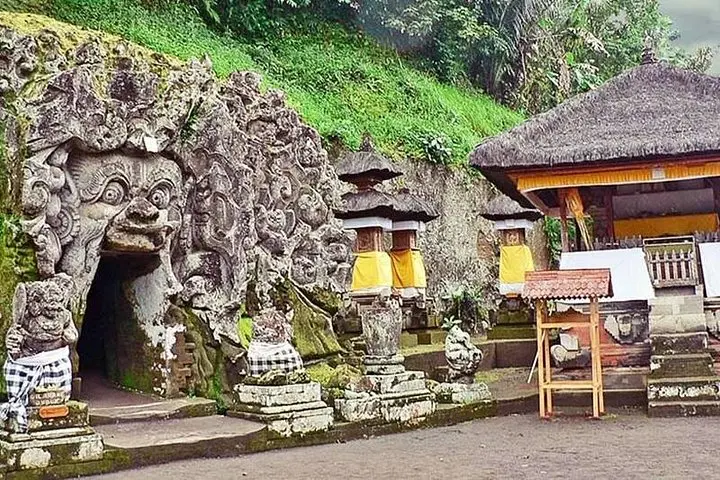
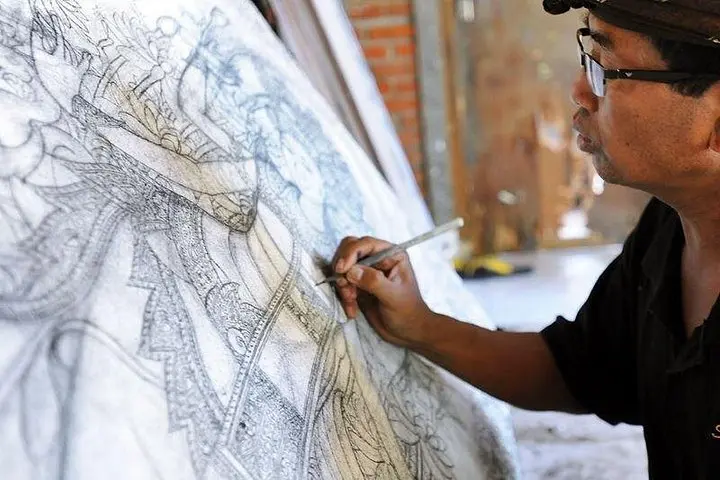
The itinerary threads together art history and agrarian engineering. Goa Gajah, an 11th‑century rock‑cut sanctuary, speaks to Bali’s Hindu‑Buddhist past; Tegallalang’s terraces reflect the subak irrigation traditions that organized communal life since the 8th century. Villages such as Batuan preserve painting styles tied to temple ceremonies, and Mas remains a living wood‑carving workshop where apprentices work beside masters.
Practically, expect frequent stops for demonstrations and shopping, multiple modest staircases, and short walks on uneven surfaces. Plan for 8–10 hours including transport; mornings are cooler for photography and bargaining. Bring a lightweight sarong for temple visits, comfortable shoes for the waterfall steps, and a refillable bottle—water vendors are common but plastic adds up. Bargaining is customary at the Ubud Art Market; start around 50–60% of the first price and be respectful. Respect temple rules: cover shoulders and avoid loud behavior; do not feed macaques near the forests. The tour suits travelers who want a concentrated introduction to Ubud’s crafts and landscapes without independent logistics. Photographers should pack a polarizer and expect vibrant colors after brief showers in afternoons.
Yes—this tour includes entrance tickets for the scheduled stops listed in the itinerary.
Yes—lunch at a local restaurant is included as part of the tour package.
Hotel pickup and drop‑off are provided for central Ubud and major tourist areas such as Seminyak, Kuta, Sanur, Nusa Dua and Jimbaran—confirm details when booking.
Tegenungan allows bathing in calmer pools, but currents and rocks can be hazardous—obey local guidance and avoid swimming after heavy rain.
Bali Magic Tour operates guided outdoor trips and adventures with an emphasis on safety, stewardship, and memorable experiences.
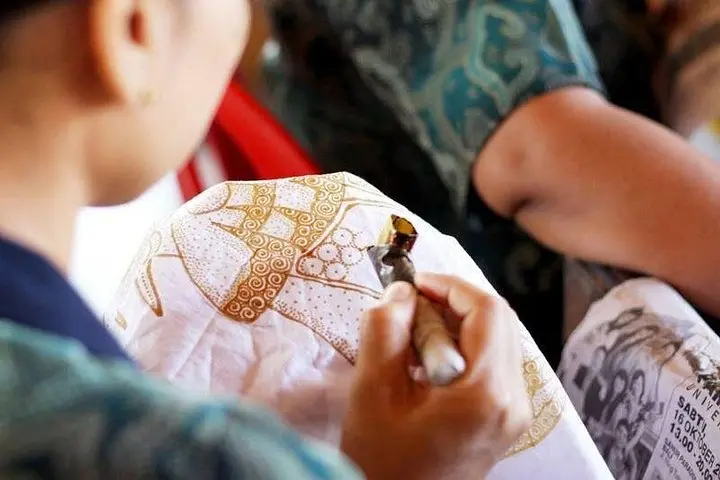
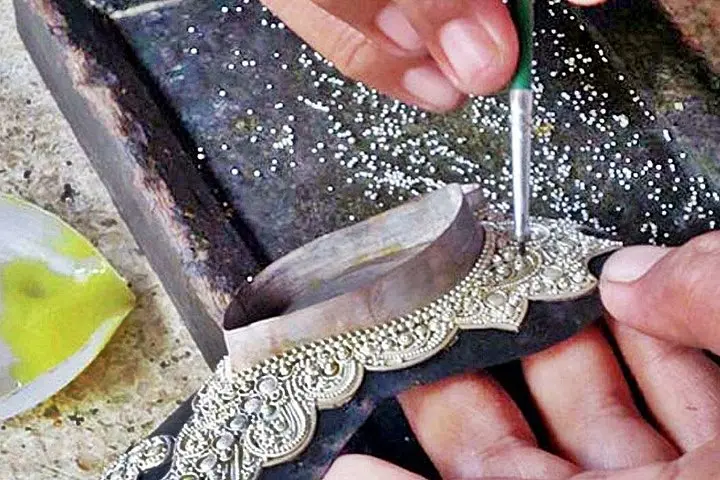
Morning light filters through coconut palms as a private minivan slides out of Ubud’s narrow streets and onto the terraced hills that surround Bali’s cultural heart. The day moves at a human pace: artisans at wooden benches chiseling masks in Mas, silver filigree soldering in Celuk, and bolt after bolt of hand-dyed batik unrolled in Tohpati. Tegenungan’s river rushes, daring visitors to step closer, while rice terraces at Tegallalang hold water like polished mirrors.
Morning light filters through coconut palms as a private minivan slides out of Ubud’s narrow streets and onto the terraced hills that surround Bali’s cultural heart. The day moves at a human pace: artisans at wooden benches chiseling masks in Mas, silver filigree soldering in Celuk, and bolt after bolt of hand-dyed batik unrolled in Tohpati. Tegenungan’s river rushes, daring visitors to step closer, while rice terraces at Tegallalang hold water like polished mirrors.
The itinerary threads together art history and agrarian engineering. Goa Gajah, an 11th‑century rock‑cut sanctuary, speaks to Bali’s Hindu‑Buddhist past; Tegallalang’s terraces reflect the subak irrigation traditions that organized communal life since the 8th century. Villages such as Batuan preserve painting styles tied to temple ceremonies, and Mas remains a living wood‑carving workshop where apprentices work beside masters.
Practically, expect frequent stops for demonstrations and shopping, multiple modest staircases, and short walks on uneven surfaces. Plan for 8–10 hours including transport; mornings are cooler for photography and bargaining. Bring a lightweight sarong for temple visits, comfortable shoes for the waterfall steps, and a refillable bottle—water vendors are common but plastic adds up. Bargaining is customary at the Ubud Art Market; start around 50–60% of the first price and be respectful. Respect temple rules: cover shoulders and avoid loud behavior; do not feed macaques near the forests. The tour suits travelers who want a concentrated introduction to Ubud’s crafts and landscapes without independent logistics. Photographers should pack a polarizer and expect vibrant colors after brief showers in afternoons.