THE ADVENTURE COLLECTIVE® · Independent discovery and booking for outdoor travel

Spend a private day in Ubud experiencing Balinese dance, artisan villages, a swim at Tegenungan Waterfall and the ancient carvings of Goa Gajah. This practical guide outlines what to expect, how to prepare, and local details to help you make the most of the cultural circuit.
Spend a private day in Ubud experiencing Balinese dance, artisan villages, a swim at Tegenungan Waterfall and the ancient carvings of Goa Gajah. This practical guide outlines what to expect, how to prepare, and local details to help you make the most of the cultural circuit.
Morning light spills across rice terraces as your driver threads narrow lanes toward Ubud; the day begins with the low drum of gamelan and the Barong’s painted mask filling a dim temple, where myth and motion sketch the island’s moral geography.
Verified experiences and guided adventures in the surrounding area.
Operated by Bali Charm · Ubud, Bali
Morning light spills across rice terraces as your driver threads narrow lanes toward Ubud; the day begins with the low drum of gamelan and the Barong’s painted mask filling a dim temple, where myth and motion sketch the island’s moral geography.
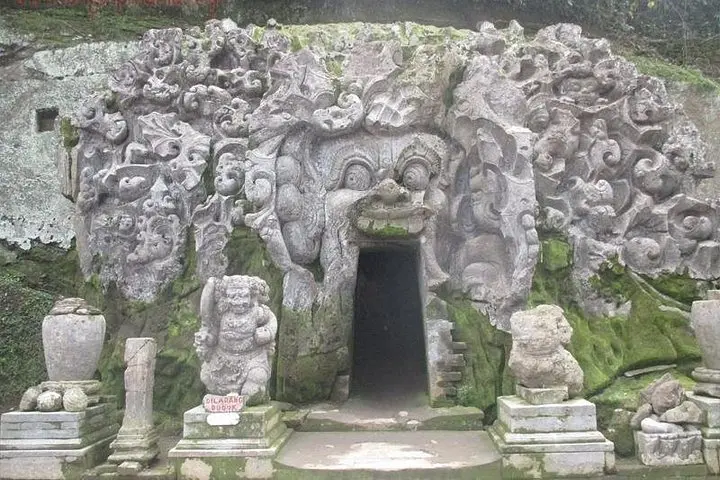
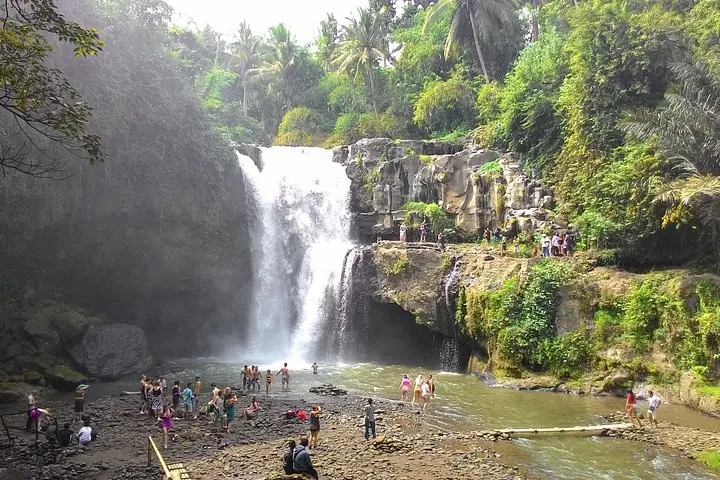
This private day tour moves from performance to craft villages—Celuk for silver, Mas for woodcarving, Tohpati and Batuan for batik and painting—then to Tegenungan, a curtain of water that cuts cool through volcanic highland limestone. Goa Gajah, the Elephant Cave, offers carved stone faces and pools fed by ancient irrigation channels; each site records Bali’s layered history of Hindu ritual, Majapahit influence and local artisan traditions.
Geology here is young volcanic rock sculpted by streams and human hands; terraces and temples perch on compacted ash and riverine deposits. Culture is public and continuous: offerings, shrines and daily ceremonies animate village life, and the local economy still pivots on handicraft and agriculture.
Practical matters: expect a 7–8 hour day with moderate walking and many steps at temple and waterfall sites. Bring swimwear for Tegenungan, a lightweight rain layer in the wet months, and modest clothing for temple visits (shoulders and knees covered). Cash is useful for small donations and village shops. An English- or Japanese-speaking driver handles logistics and entrances are usually included, but verify what’s covered before you go.
This itinerary suits travelers who want a single-day cultural sweep—performance, artisans, water and temple—balanced between photo stops and calm, immersive moments in Bali’s living traditions.
Swimming is often permitted in designated areas but conditions change with rainfall—follow local signage and guides; avoid swimming after heavy rain due to stronger currents.
This tour typically includes entrance fees and lunch, but confirm with the operator at booking since inclusions can vary by package size and vehicle type.
Pickup is usually around 8:15 AM with hotel or port pickup and return by late afternoon; exact times depend on hotel location and traffic.
The tour is family-friendly but involves stairs and uneven surfaces; travelers with significant mobility limitations should check site accessibility in advance.
Bali Charm operates guided outdoor trips and adventures with an emphasis on safety, stewardship, and memorable experiences.
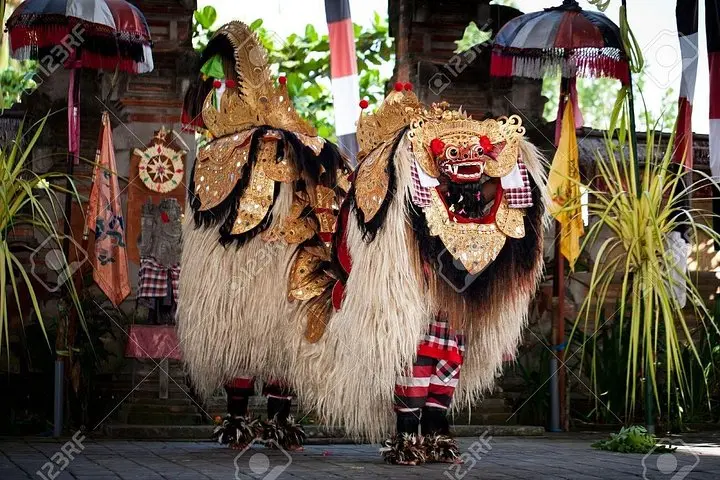
Morning light spills across rice terraces as your driver threads narrow lanes toward Ubud; the day begins with the low drum of gamelan and the Barong’s painted mask filling a dim temple, where myth and motion sketch the island’s moral geography.
Morning light spills across rice terraces as your driver threads narrow lanes toward Ubud; the day begins with the low drum of gamelan and the Barong’s painted mask filling a dim temple, where myth and motion sketch the island’s moral geography.
This private day tour moves from performance to craft villages—Celuk for silver, Mas for woodcarving, Tohpati and Batuan for batik and painting—then to Tegenungan, a curtain of water that cuts cool through volcanic highland limestone. Goa Gajah, the Elephant Cave, offers carved stone faces and pools fed by ancient irrigation channels; each site records Bali’s layered history of Hindu ritual, Majapahit influence and local artisan traditions.
Geology here is young volcanic rock sculpted by streams and human hands; terraces and temples perch on compacted ash and riverine deposits. Culture is public and continuous: offerings, shrines and daily ceremonies animate village life, and the local economy still pivots on handicraft and agriculture.
Practical matters: expect a 7–8 hour day with moderate walking and many steps at temple and waterfall sites. Bring swimwear for Tegenungan, a lightweight rain layer in the wet months, and modest clothing for temple visits (shoulders and knees covered). Cash is useful for small donations and village shops. An English- or Japanese-speaking driver handles logistics and entrances are usually included, but verify what’s covered before you go.
This itinerary suits travelers who want a single-day cultural sweep—performance, artisans, water and temple—balanced between photo stops and calm, immersive moments in Bali’s living traditions.