THE ADVENTURE COLLECTIVE® · Independent discovery and booking for outdoor travel

Spend a day around Ubud visiting the Sacred Monkey Forest, high rice terraces, Tegenungan Waterfall and the holy pools of Tirta Empul. This guided route combines short walks, cultural stops, and scenic viewpoints into a single full-day experience.
Spend a day around Ubud visiting the Sacred Monkey Forest, high rice terraces, Tegenungan Waterfall and the holy pools of Tirta Empul. This guided route combines short walks, cultural stops, and scenic viewpoints into a single full-day experience.
Morning mist lifts from the jungle as your driver eases into Ubud’s narrow lanes and the day opens in greening light. The Sacred Monkey Forest Sanctuary greets you first—macaques move like quick shadows through temple groves while carved stone gates keep the past and present in close company.
Verified experiences and guided adventures in the surrounding area.
Operated by Bali Savaya Tours · Ubud, Bali
Morning mist lifts from the jungle as your driver eases into Ubud’s narrow lanes and the day opens in greening light. The Sacred Monkey Forest Sanctuary greets you first—macaques move like quick shadows through temple groves while carved stone gates keep the past and present in close company.
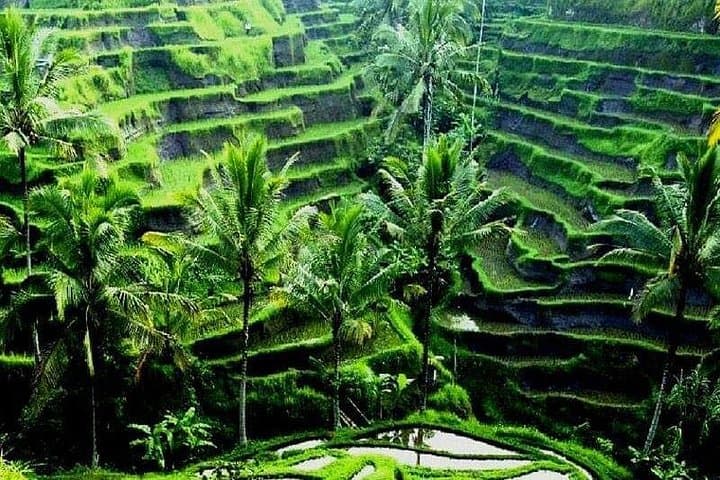
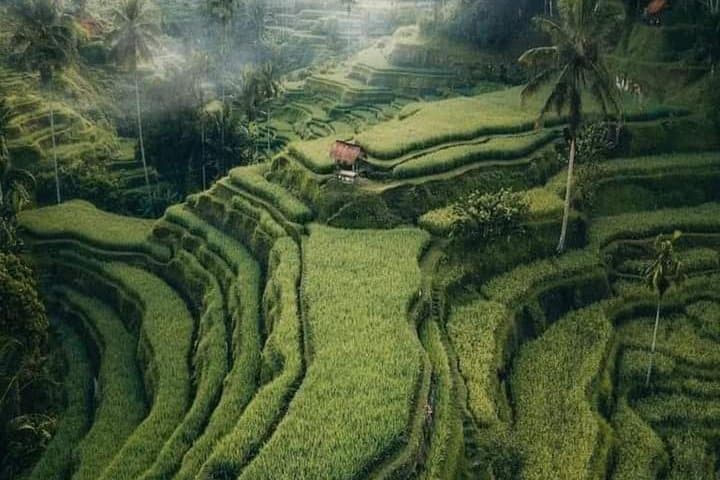
This route threads cultural and natural highlights: dramatic rice terraces shaped by subak irrigation, the sudden drop and spray of Tegenungan (and calmer falls like Tibumana nearby), and the ritual pools of Tirta Empul where Balinese pilgrims cleanse at channels fed by an ancient spring. Along the way villagers shape gold and silver in Celuk, and batik studios near Sukawati keep dye and pattern alive.
Geology here is volcanic; the valley floors and spring-lines owe everything to Bali’s uplifted volcanic soils and a high water table that feeds temples and paddies alike. Culturally, the subak cooperative irrigation system is centuries old and still regulates water and ceremony.
Practical guidance: expect a full-day (≈10 hours) with several short walks, stair descents at waterfalls, and temple steps. Wear grippy shoes for wet stone, bring sun protection and a refillable bottle, and carry modest clothing or a sarong for temple entry. Keep small change for entrance fees and local snacks; don’t feed the monkeys and secure phones and sunglasses—curious macaques will take them.
Timing your visit in the early morning or late afternoon reduces crowds and brings softer light for photos. This itinerary balances cultural depth with accessible outdoor moments—perfect for travelers who want nature and ceremony in a single, manageable day.
The tour is approximately 10 hours and typically includes hotel pickup, a private driver/vehicle, entrance fees (if selected in all-inclusive option), bottled water, and guided stops at listed attractions.
Macaques are wild and can be bold; avoid direct eye contact, do not feed them, and secure loose items—bite incidents are rare but possible if provoked.
Yes—visitors may participate if they wear modest clothing and follow temple rules; bring a sarong or use one provided at the site if needed.
Children may enjoy the animal and waterfall stops, but the itinerary includes stairs and uneven paths; it’s not recommended for travelers with serious mobility restrictions or spinal issues.
Bali Savaya Tours operates guided outdoor trips and adventures with an emphasis on safety, stewardship, and memorable experiences.

Morning mist lifts from the jungle as your driver eases into Ubud’s narrow lanes and the day opens in greening light. The Sacred Monkey Forest Sanctuary greets you first—macaques move like quick shadows through temple groves while carved stone gates keep the past and present in close company.
Morning mist lifts from the jungle as your driver eases into Ubud’s narrow lanes and the day opens in greening light. The Sacred Monkey Forest Sanctuary greets you first—macaques move like quick shadows through temple groves while carved stone gates keep the past and present in close company.
This route threads cultural and natural highlights: dramatic rice terraces shaped by subak irrigation, the sudden drop and spray of Tegenungan (and calmer falls like Tibumana nearby), and the ritual pools of Tirta Empul where Balinese pilgrims cleanse at channels fed by an ancient spring. Along the way villagers shape gold and silver in Celuk, and batik studios near Sukawati keep dye and pattern alive.
Geology here is volcanic; the valley floors and spring-lines owe everything to Bali’s uplifted volcanic soils and a high water table that feeds temples and paddies alike. Culturally, the subak cooperative irrigation system is centuries old and still regulates water and ceremony.
Practical guidance: expect a full-day (≈10 hours) with several short walks, stair descents at waterfalls, and temple steps. Wear grippy shoes for wet stone, bring sun protection and a refillable bottle, and carry modest clothing or a sarong for temple entry. Keep small change for entrance fees and local snacks; don’t feed the monkeys and secure phones and sunglasses—curious macaques will take them.
Timing your visit in the early morning or late afternoon reduces crowds and brings softer light for photos. This itinerary balances cultural depth with accessible outdoor moments—perfect for travelers who want nature and ceremony in a single, manageable day.