THE ADVENTURE COLLECTIVE® · Independent discovery and booking for outdoor travel

Cover Bali’s iconic Ubud circuit in one full day: a guided loop that pairs wildlife at the Monkey Forest with the carved rice terraces of Tegalalang, a jungle swing, sacred waters at Tirta Empul, and the swim-ready rush of Tegenungan Waterfall. Practical tips and cultural context to plan a smooth day of exploration.
Cover Bali’s iconic Ubud circuit in one full day: a guided loop that pairs wildlife at the Monkey Forest with the carved rice terraces of Tegalalang, a jungle swing, sacred waters at Tirta Empul, and the swim-ready rush of Tegenungan Waterfall. Practical tips and cultural context to plan a smooth day of exploration.
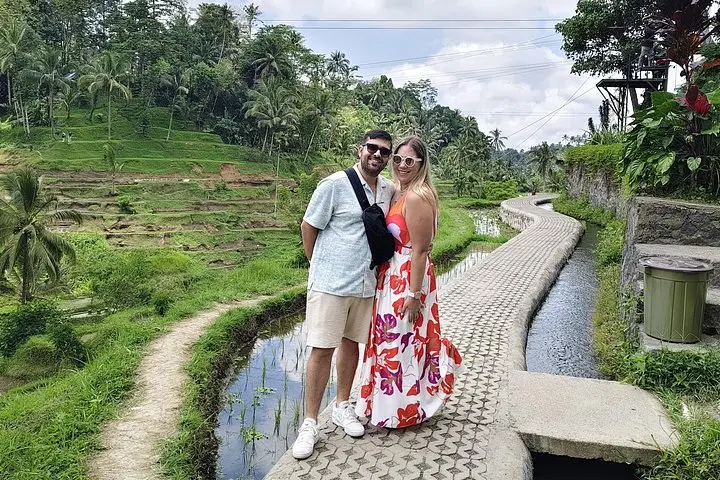
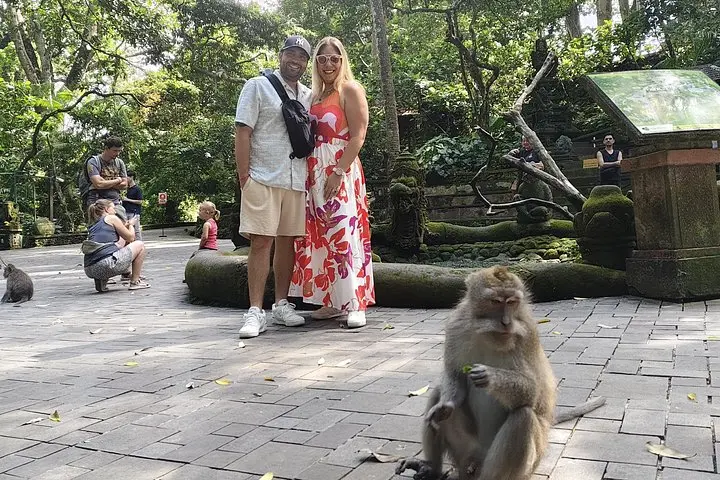
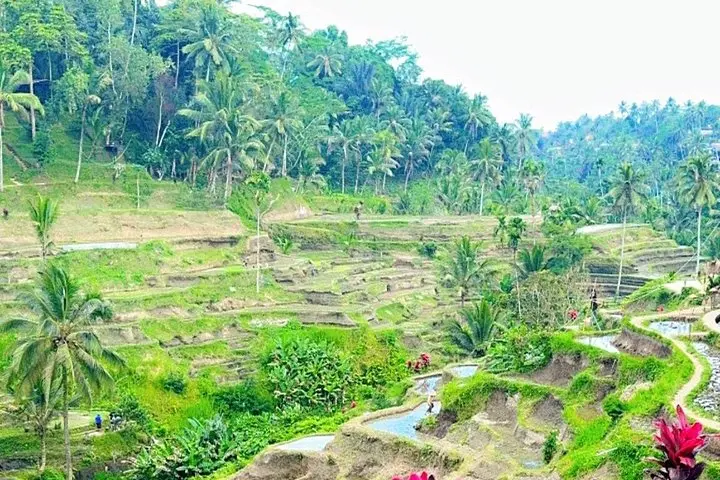
Morning in Ubud starts with a humid hush: the motorcade glides through narrow rice-lined lanes, and the air smells of wet earth and incense as macaques watch from the banyan roots. This full-day loop threads the area's highlights—Mandala Suci Wenara Wana (Monkey Forest), the sculpted contours of Tegalalang, the adrenaline pinch of the swing platforms, the holy pools of Tirta Empul, and the plunging curtain of Tegenungan.
Verified experiences and guided adventures in the surrounding area.
Operated by Era Bali Tours · Ubud, Bali
Morning in Ubud starts with a humid hush: the motorcade glides through narrow rice-lined lanes, and the air smells of wet earth and incense as macaques watch from the banyan roots. This full-day loop threads the area's highlights—Mandala Suci Wenara Wana (Monkey Forest), the sculpted contours of Tegalalang, the adrenaline pinch of the swing platforms, the holy pools of Tirta Empul, and the plunging curtain of Tegenungan.
The route traces centuries of human and natural engineering. Tegalalang’s terraces use the Subak irrigation system, an agrarian practice tied to Balinese water temples; Tirta Empul dates to 962 A.D. and remains an active purification site. Geologically these sites sit on volcanic soils and river-cut valleys that feed lush jungle and the Pakerisan watershed. Celuk and surrounding art villages carry a living craft tradition—goldsmithing and woodcarving that supply offerings to temples and souvenirs to visitors.
Practically: expect 8–10 hours with multiple short walks and stairs at waterfalls and temples. Wear closed-toe shoes for uneven paths and bring a change of clothes if you plan to swim at Tegenungan. Respect temple protocol—wear a sarong or borrow one—and don’t hand-feed monkeys; they are wild and assertive. Hydrate often in the tropical heat, use reef-safe sunscreen, and schedule the tour early to avoid mid-afternoon crowds. Your guide/driver manages logistics and parking, but personal vigilance keeps the day smooth: secure valuables, keep a small daypack, and budget time at craft villages if you want to shop. This is a dense, sensory day—part cultural education, part outdoor exploration—best tackled with curiosity and practical prep.
Most tour prices exclude individual attraction fees; check your booking details—guides usually advise or collect fees on-site.
Yes—routes are labeled physically easy, but expect stairs and uneven ground; inform the operator of mobility needs for pickup/assistance.
Yes, there is a swim area when water levels are safe—avoid swimming after heavy rain and follow local warnings.
Many guides provide sarongs or offer rentals at temples, but bringing your own ensures proper fit and hygiene.
Era Bali Tours operates guided outdoor trips and adventures with an emphasis on safety, stewardship, and memorable experiences.

Morning in Ubud starts with a humid hush: the motorcade glides through narrow rice-lined lanes, and the air smells of wet earth and incense as macaques watch from the banyan roots. This full-day loop threads the area's highlights—Mandala Suci Wenara Wana (Monkey Forest), the sculpted contours of Tegalalang, the adrenaline pinch of the swing platforms, the holy pools of Tirta Empul, and the plunging curtain of Tegenungan.
Morning in Ubud starts with a humid hush: the motorcade glides through narrow rice-lined lanes, and the air smells of wet earth and incense as macaques watch from the banyan roots. This full-day loop threads the area's highlights—Mandala Suci Wenara Wana (Monkey Forest), the sculpted contours of Tegalalang, the adrenaline pinch of the swing platforms, the holy pools of Tirta Empul, and the plunging curtain of Tegenungan.
The route traces centuries of human and natural engineering. Tegalalang’s terraces use the Subak irrigation system, an agrarian practice tied to Balinese water temples; Tirta Empul dates to 962 A.D. and remains an active purification site. Geologically these sites sit on volcanic soils and river-cut valleys that feed lush jungle and the Pakerisan watershed. Celuk and surrounding art villages carry a living craft tradition—goldsmithing and woodcarving that supply offerings to temples and souvenirs to visitors.
Practically: expect 8–10 hours with multiple short walks and stairs at waterfalls and temples. Wear closed-toe shoes for uneven paths and bring a change of clothes if you plan to swim at Tegenungan. Respect temple protocol—wear a sarong or borrow one—and don’t hand-feed monkeys; they are wild and assertive. Hydrate often in the tropical heat, use reef-safe sunscreen, and schedule the tour early to avoid mid-afternoon crowds. Your guide/driver manages logistics and parking, but personal vigilance keeps the day smooth: secure valuables, keep a small daypack, and budget time at craft villages if you want to shop. This is a dense, sensory day—part cultural education, part outdoor exploration—best tackled with curiosity and practical prep.