THE ADVENTURE COLLECTIVE® · Independent discovery and booking for outdoor travel

Spend a full day around Ubud visiting the Monkey Forest, Tirta Empul temple, Tegalalang rice terraces and an iconic waterfall. This private tour combines wildlife encounters, cultural ritual, and dramatic rice-terraced landscapes with a local guide.
Spend a full day around Ubud visiting the Monkey Forest, Tirta Empul temple, Tegalalang rice terraces and an iconic waterfall. This private tour combines wildlife encounters, cultural ritual, and dramatic rice-terraced landscapes with a local guide.
You step from a private car into humid air threaded with incense and the chitter of macaques—Ubud arrives not as a postcard but as a series of lived moments. The forest at the Monkey Sanctuary pushes its canopy low; long-tailed macaques move like punctuation through shadow and sun. A short drive opens onto rice steps that drop in carved layers, water channels moving deliberately through the Subak system.
Verified experiences and guided adventures in the surrounding area.
Operated by CV MyBali Explore · Ubud, Bali
You step from a private car into humid air threaded with incense and the chitter of macaques—Ubud arrives not as a postcard but as a series of lived moments. The forest at the Monkey Sanctuary pushes its canopy low; long-tailed macaques move like punctuation through shadow and sun. A short drive opens onto rice steps that drop in carved layers, water channels moving deliberately through the Subak system.
This route stitches together Bali’s layered past: Puri Ubud, once the royal court, anchors town life; Tirta Empul’s spring-fed pools reflect Hindu purification rituals centuries old. The canyon that holds Ulu Petanu (local waterfall) reveals volcanic geology—basalt ledges and eroded caves that funnel rain into narrow plunges.
Culturally the day is about attention: small offerings at shrines, bargaining at the art market, and the ritual cadence at Tirta Empul where visitors may join a cleansing procession. Locals maintain irrigation terraces via Subak, a community water management practice recognized by UNESCO.
Practical guidance: expect an 8–10 hour day with multiple short walks—stone steps, muddy approaches to falls, and uneven paths in the forest. Wear sturdy, grippy shoes; bring a sarong for temple visits and insect repellent for shaded trails. Hydrate between stops; sun hits hard on open terraces. If you plan photos, let the guide time visits for light and fewer crowds.
The itinerary balances wildlife, culture, and landscape in a single day—efficient, sensory, and best enjoyed when you move with both curiosity and consideration for local customs.
Macaques are wild and bold; they rarely attack but will grab food or loose items—avoid feeding them and follow the guide’s safety rules.
Some sites accept card, but many temple donations, small fees, market purchases and optional swing activities are cash-friendly—carry small bills.
Yes—this private tour is paced, but expect stairs and uneven ground; infants may use strollers only on paved areas and those with mobility issues should check specific stops.
Visitors may join the ritual if they follow temple protocols and wear appropriate clothing; guides can advise on respectful participation and modesty requirements.
CV MyBali Explore operates guided outdoor trips and adventures with an emphasis on safety, stewardship, and memorable experiences.

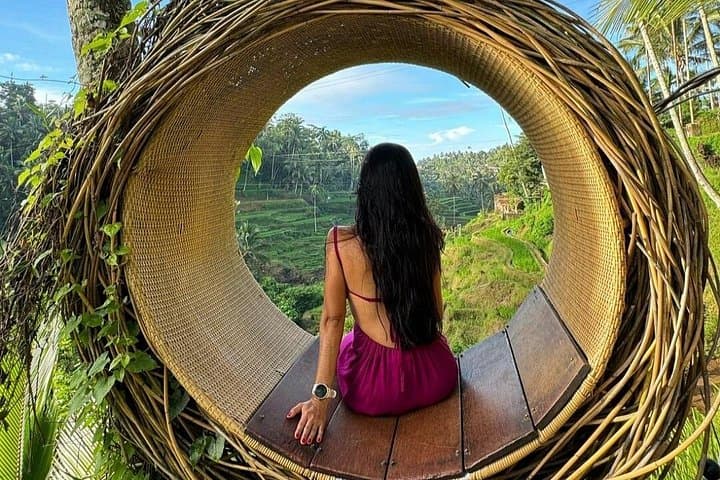


You step from a private car into humid air threaded with incense and the chitter of macaques—Ubud arrives not as a postcard but as a series of lived moments. The forest at the Monkey Sanctuary pushes its canopy low; long-tailed macaques move like punctuation through shadow and sun. A short drive opens onto rice steps that drop in carved layers, water channels moving deliberately through the Subak system.
You step from a private car into humid air threaded with incense and the chitter of macaques—Ubud arrives not as a postcard but as a series of lived moments. The forest at the Monkey Sanctuary pushes its canopy low; long-tailed macaques move like punctuation through shadow and sun. A short drive opens onto rice steps that drop in carved layers, water channels moving deliberately through the Subak system.
This route stitches together Bali’s layered past: Puri Ubud, once the royal court, anchors town life; Tirta Empul’s spring-fed pools reflect Hindu purification rituals centuries old. The canyon that holds Ulu Petanu (local waterfall) reveals volcanic geology—basalt ledges and eroded caves that funnel rain into narrow plunges.
Culturally the day is about attention: small offerings at shrines, bargaining at the art market, and the ritual cadence at Tirta Empul where visitors may join a cleansing procession. Locals maintain irrigation terraces via Subak, a community water management practice recognized by UNESCO.
Practical guidance: expect an 8–10 hour day with multiple short walks—stone steps, muddy approaches to falls, and uneven paths in the forest. Wear sturdy, grippy shoes; bring a sarong for temple visits and insect repellent for shaded trails. Hydrate between stops; sun hits hard on open terraces. If you plan photos, let the guide time visits for light and fewer crowds.
The itinerary balances wildlife, culture, and landscape in a single day—efficient, sensory, and best enjoyed when you move with both curiosity and consideration for local customs.