THE ADVENTURE COLLECTIVE® · Independent discovery and booking for outdoor travel

Spend a relaxed day through Ubud’s cultural and natural highlights: participate in a purification ritual at Tirta Empul, watch macaques in the Sacred Monkey Forest, walk the dramatic Tegalalang rice terraces, and unwind at the peaceful Ulu Petanu Waterfall. Practical tips and what to expect for a six‑hour guided tour.
Spend a relaxed day through Ubud’s cultural and natural highlights: participate in a purification ritual at Tirta Empul, watch macaques in the Sacred Monkey Forest, walk the dramatic Tegalalang rice terraces, and unwind at the peaceful Ulu Petanu Waterfall. Practical tips and what to expect for a six‑hour guided tour.
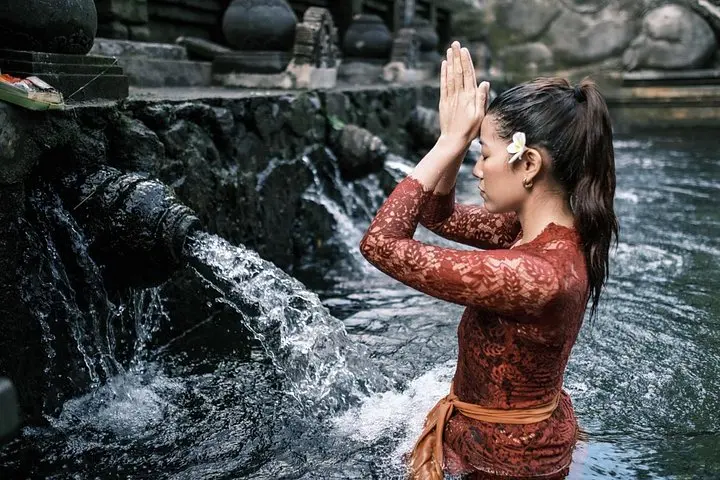
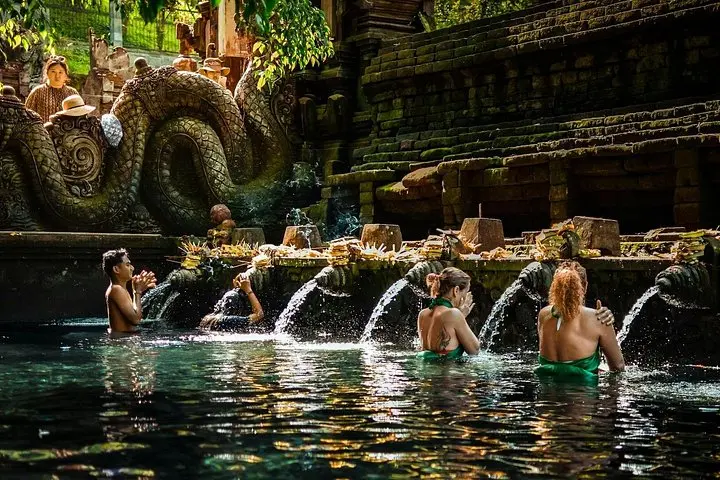
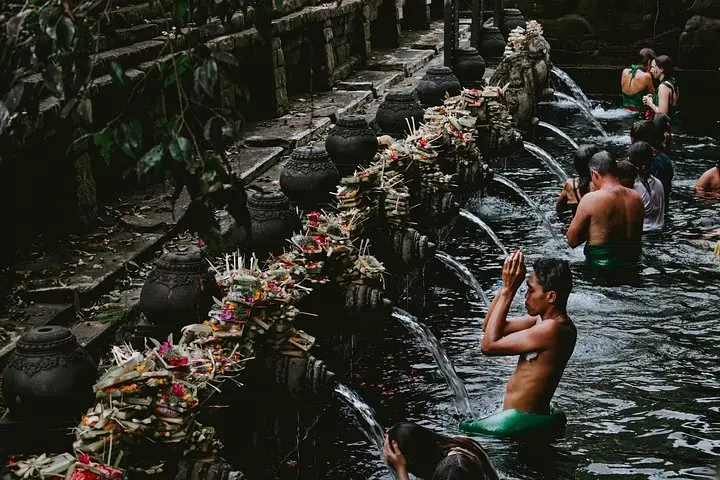
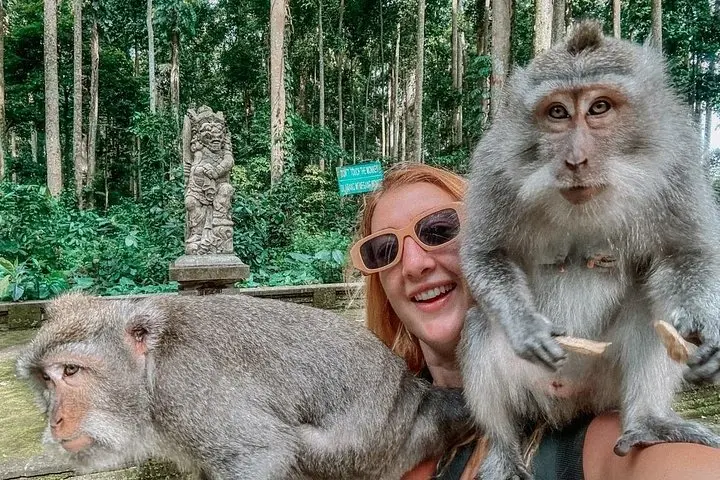
You step from the air‑conditioned vehicle into a humid thrum of crickets and temple bells; sunlight slices through banyan roots while long‑tailed macaques patrol shaded stone paths. The day unfolds as a sequence of contrasts: the ritual hush at Tirta Empul’s holy pools, the lively, cheeky energy of Ubud Monkey Forest, the tiered geometry of Tegalalang’s rice paddies, and the secluded hush beside Ulu Petanu Waterfall.
Verified experiences and guided adventures in the surrounding area.
Operated by Ubud Drivers Bali · Ubud, Bali
You step from the air‑conditioned vehicle into a humid thrum of crickets and temple bells; sunlight slices through banyan roots while long‑tailed macaques patrol shaded stone paths. The day unfolds as a sequence of contrasts: the ritual hush at Tirta Empul’s holy pools, the lively, cheeky energy of Ubud Monkey Forest, the tiered geometry of Tegalalang’s rice paddies, and the secluded hush beside Ulu Petanu Waterfall.
Tirta Empul dates back to the 10th century and reflects Bali’s layered Hindu-Balinese culture; the subak irrigation visible at Tegalalang is a living system that shaped the island’s agrarian landscape for centuries. Geology presents itself through volcanic soils that feed the rice terraces and through limestone and basalt formations that channel waterfalls into clear plunge pools. Local plantations alongside Tegalalang offer robust Balinese coffee and a glimpse into everyday rural life.
Practical guidance: plan for roughly six hours of easy walking and short stair sections; moderate humidity and sun are constant companions. Dress respectfully for temple visits (shoulders and knees covered) and carry a sarong if you want to join purification rituals. Keep valuables zipped and avoid direct eye contact or food with the monkeys—curiosity there is literal. Bring a refillable water bottle, sunscreen, and comfortable shoes with some tread for slippery trails.
The route suits travelers seeking a mix of culture, wildlife, and accessible nature without technical demands—expect photo stops, short guided explanations, and a chance to cool off at a quiet waterfall away from bigger crowds.
Yes — visitors may participate if they are comfortable; bring a sarong and be prepared to follow the lead of temple attendants and local protocol.
Macaques are wild and can bite or snatch items; do not feed them, avoid direct eye contact, and keep belongings secured to reduce interaction.
Generally yes — the tour is low impact with short walks, but stairs and uneven surfaces at some sites may require caution for very young children or those with mobility issues.
Bring some Indonesian rupiah for small purchases, tips, and local snacks; many tourist spots also accept cards but smaller vendors may not.
Ubud Drivers Bali operates guided outdoor trips and adventures with an emphasis on safety, stewardship, and memorable experiences.
You step from the air‑conditioned vehicle into a humid thrum of crickets and temple bells; sunlight slices through banyan roots while long‑tailed macaques patrol shaded stone paths. The day unfolds as a sequence of contrasts: the ritual hush at Tirta Empul’s holy pools, the lively, cheeky energy of Ubud Monkey Forest, the tiered geometry of Tegalalang’s rice paddies, and the secluded hush beside Ulu Petanu Waterfall.
You step from the air‑conditioned vehicle into a humid thrum of crickets and temple bells; sunlight slices through banyan roots while long‑tailed macaques patrol shaded stone paths. The day unfolds as a sequence of contrasts: the ritual hush at Tirta Empul’s holy pools, the lively, cheeky energy of Ubud Monkey Forest, the tiered geometry of Tegalalang’s rice paddies, and the secluded hush beside Ulu Petanu Waterfall.
Tirta Empul dates back to the 10th century and reflects Bali’s layered Hindu-Balinese culture; the subak irrigation visible at Tegalalang is a living system that shaped the island’s agrarian landscape for centuries. Geology presents itself through volcanic soils that feed the rice terraces and through limestone and basalt formations that channel waterfalls into clear plunge pools. Local plantations alongside Tegalalang offer robust Balinese coffee and a glimpse into everyday rural life.
Practical guidance: plan for roughly six hours of easy walking and short stair sections; moderate humidity and sun are constant companions. Dress respectfully for temple visits (shoulders and knees covered) and carry a sarong if you want to join purification rituals. Keep valuables zipped and avoid direct eye contact or food with the monkeys—curiosity there is literal. Bring a refillable water bottle, sunscreen, and comfortable shoes with some tread for slippery trails.
The route suits travelers seeking a mix of culture, wildlife, and accessible nature without technical demands—expect photo stops, short guided explanations, and a chance to cool off at a quiet waterfall away from bigger crowds.