THE ADVENTURE COLLECTIVE® · Independent discovery and booking for outdoor travel

Spend a day around Ubud visiting the Monkey Forest, a classic water temple, Tegenungan Waterfall and the sculpted Tegalalang rice terraces. This private 6–8 hour loop mixes brief walks, cultural stops and close-up nature encounters—ideal for travelers who want a compact, well-paced introduction to central Bali.
Spend a day around Ubud visiting the Monkey Forest, a classic water temple, Tegenungan Waterfall and the sculpted Tegalalang rice terraces. This private 6–8 hour loop mixes brief walks, cultural stops and close-up nature encounters—ideal for travelers who want a compact, well-paced introduction to central Bali.
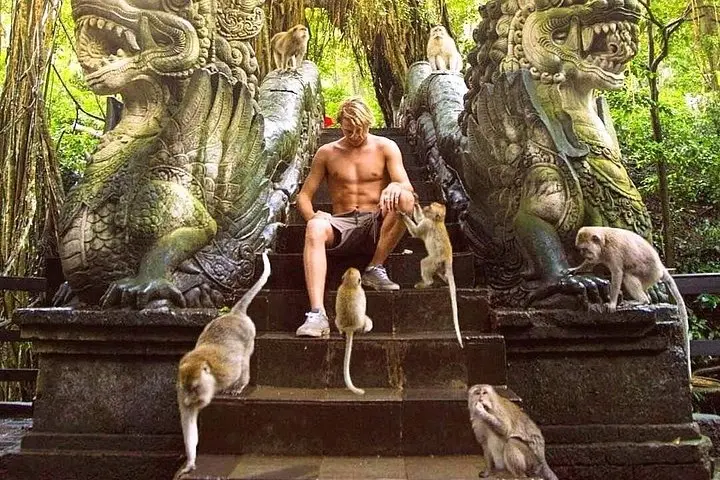
You step off the minivan into warm Balinese air and the hum of scooters; a guide waits with a plan for the day — a compact loop through Ubud’s most visited natural and cultural sites. First, the forest’s macaques chitter and patter through thick canopy, testing your composure as you move beneath tall banyans and moss-slick roots. The guide explains temple etiquette while ancient stone shrines peer from shaded clearings.
Verified experiences and guided adventures in the surrounding area.
Operated by I Gede Sudana · Ubud, Bali
You step off the minivan into warm Balinese air and the hum of scooters; a guide waits with a plan for the day — a compact loop through Ubud’s most visited natural and cultural sites. First, the forest’s macaques chitter and patter through thick canopy, testing your composure as you move beneath tall banyans and moss-slick roots. The guide explains temple etiquette while ancient stone shrines peer from shaded clearings.
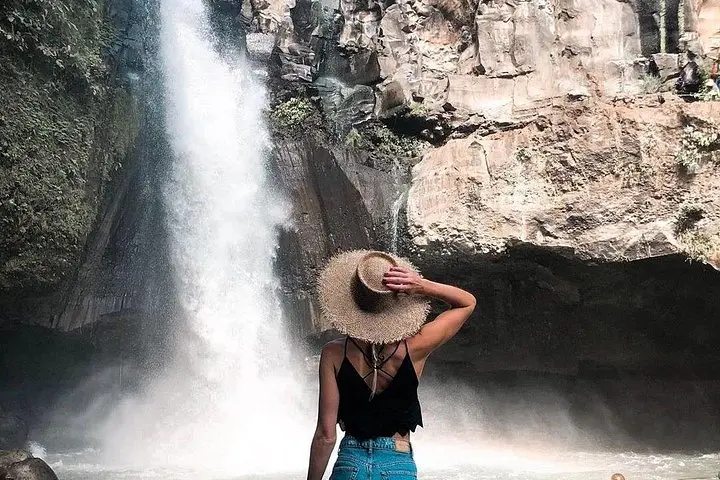
From there the road climbs toward a hilltop water temple, where carved gates frame terraces and ritual offerings dot the stone. Geology here is recent volcanic soil over uplifted coral limestone, giving steep terraces and fast runoff that feeds the rivers and waterfalls below. Tegenungan Waterfall arrives as a sudden drop of spray and thunder; expect slippery steps and a short scramble to get closer to the plunge pool.
Tegalalang’s rice terraces finish the circuit with sculpted ridgelines and irrigation channels — a centuries-old subak system that still organizes water and labor. Local farmers tend the paddies; you’ll see wooden irrigation gates and narrow foot-trails that zigzag between plots.
Practicalities: this is a full 6–8 hour private tour with mostly short walks, stair climbs, and uneven terrain — no technical hiking. Wear grippy shoes, bring sun protection and a light rain layer in wet months. Expect crowds at peak times; mornings or late afternoons give softer light and cooler air. Respect signs at temples, secure loose items around monkeys, and carry cash for small entrance fees and local stalls.
Most private tours require separate entrance fees paid on arrival; bring cash for multiple sites.
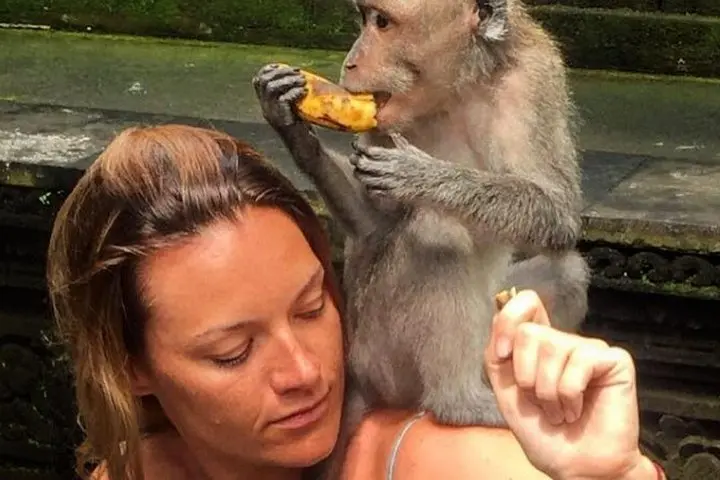
You can often approach within a few meters, but avoid feeding and keep a safe distance—monkeys are wild and may snatch objects.
Yes; the itinerary is low-impact but involves stairs and uneven terrain, so mobility limitations should be considered.
Many guides in Ubud speak English; confirm language when booking if you require another language.
I Gede Sudana operates guided outdoor trips and adventures with an emphasis on safety, stewardship, and memorable experiences.

You step off the minivan into warm Balinese air and the hum of scooters; a guide waits with a plan for the day — a compact loop through Ubud’s most visited natural and cultural sites. First, the forest’s macaques chitter and patter through thick canopy, testing your composure as you move beneath tall banyans and moss-slick roots. The guide explains temple etiquette while ancient stone shrines peer from shaded clearings.
You step off the minivan into warm Balinese air and the hum of scooters; a guide waits with a plan for the day — a compact loop through Ubud’s most visited natural and cultural sites. First, the forest’s macaques chitter and patter through thick canopy, testing your composure as you move beneath tall banyans and moss-slick roots. The guide explains temple etiquette while ancient stone shrines peer from shaded clearings.
From there the road climbs toward a hilltop water temple, where carved gates frame terraces and ritual offerings dot the stone. Geology here is recent volcanic soil over uplifted coral limestone, giving steep terraces and fast runoff that feeds the rivers and waterfalls below. Tegenungan Waterfall arrives as a sudden drop of spray and thunder; expect slippery steps and a short scramble to get closer to the plunge pool.
Tegalalang’s rice terraces finish the circuit with sculpted ridgelines and irrigation channels — a centuries-old subak system that still organizes water and labor. Local farmers tend the paddies; you’ll see wooden irrigation gates and narrow foot-trails that zigzag between plots.
Practicalities: this is a full 6–8 hour private tour with mostly short walks, stair climbs, and uneven terrain — no technical hiking. Wear grippy shoes, bring sun protection and a light rain layer in wet months. Expect crowds at peak times; mornings or late afternoons give softer light and cooler air. Respect signs at temples, secure loose items around monkeys, and carry cash for small entrance fees and local stalls.