THE ADVENTURE COLLECTIVE® · Independent discovery and booking for outdoor travel

Spend a day moving between Ubud’s open ridge walks, holy water temples and rice terraces. This full-day private tour balances light walking with cultural insights—ideal for travelers who want both nature and history without the logistics.
Spend a day moving between Ubud’s open ridge walks, holy water temples and rice terraces. This full-day private tour balances light walking with cultural insights—ideal for travelers who want both nature and history without the logistics.
Dawn breaks over Ubud as the driver threads narrow roads past woodcarvers and market stalls. At Campuhan Ridge the breeze moves like a living thing, pushing visitors along a grassy spine with abrupt valley views and palm-lined tracks. That quiet, easy walk sets the tone for a day that alternates between intimate forest temples and broad, cultivated landscapes.
Verified experiences and guided adventures in the surrounding area.
Operated by Bali Sky Tour · Ubud, Bali
Dawn breaks over Ubud as the driver threads narrow roads past woodcarvers and market stalls. At Campuhan Ridge the breeze moves like a living thing, pushing visitors along a grassy spine with abrupt valley views and palm-lined tracks. That quiet, easy walk sets the tone for a day that alternates between intimate forest temples and broad, cultivated landscapes.
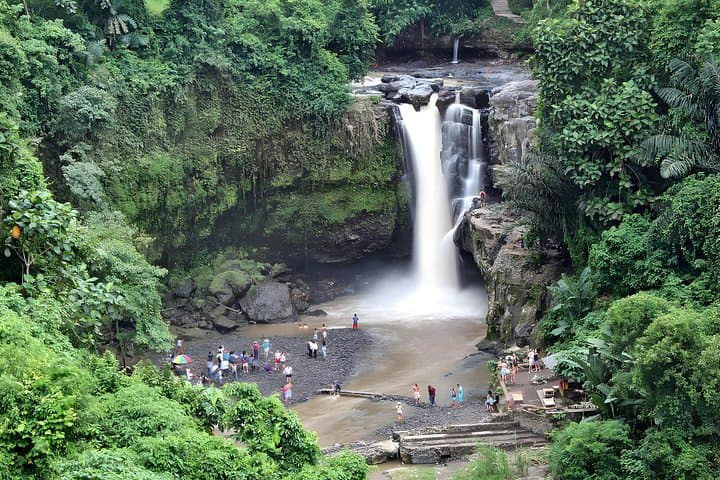
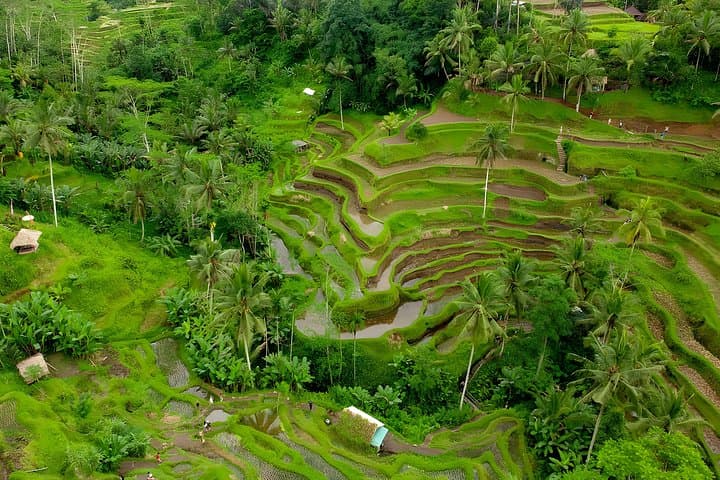
This full-day loop highlights layers of Balinese history: Tirta Empul’s spring has drawn worshippers since the 10th century and remains active in purification rituals; Goa Gajah preserves rock-cut carvings from earlier Hindu-Buddhist eras; Tegalalang’s steep terraces reflect centuries of subak irrigation and the island’s volcanic soils. Geology matters here—the Petanu river powers waterfalls and carves the ravines around Tegenungan, while rich volcanic ash feeds the paddies.
Culturally, the route is village life on display: markets, gold-and-silver smiths, and temples where offerings are laid each morning. The Monkey Forest is administered by Padangtegal village and the macaques you’ll see are part of a managed population that intersects conservation and tourism.
Practical guidance: expect 9–10 hours with multiple short walks and stair sections; wear modest attire for temples (sarong or covered shoulders), bring a refillable water bottle, sunscreen and a camera with a secure strap—monkeys are bold. Start early to avoid heat and crowds, keep valuables zipped, and follow your guide at sacred sites. The day is accessible but varied: from easy ridge paths to slippery waterfall steps, so steady shoes and respectful behavior make the visit smooth and rewarding.
Yes — this tour lists all entrance tickets included in the price, so you won’t need extra cash for main sites.
An Indonesian set-menu lunch is offered if you select that option at booking; vegetarian meals are available with advance notice.
You may observe and photograph the macaques, but feeding or close interaction is discouraged—follow the guide’s instructions to avoid bites or stolen items.
Infants under 2 are typically free; the itinerary is family-friendly, but parents should supervise children around water, steep steps and monkeys.
Bali Sky Tour operates guided outdoor trips and adventures with an emphasis on safety, stewardship, and memorable experiences.


Dawn breaks over Ubud as the driver threads narrow roads past woodcarvers and market stalls. At Campuhan Ridge the breeze moves like a living thing, pushing visitors along a grassy spine with abrupt valley views and palm-lined tracks. That quiet, easy walk sets the tone for a day that alternates between intimate forest temples and broad, cultivated landscapes.
Dawn breaks over Ubud as the driver threads narrow roads past woodcarvers and market stalls. At Campuhan Ridge the breeze moves like a living thing, pushing visitors along a grassy spine with abrupt valley views and palm-lined tracks. That quiet, easy walk sets the tone for a day that alternates between intimate forest temples and broad, cultivated landscapes.
This full-day loop highlights layers of Balinese history: Tirta Empul’s spring has drawn worshippers since the 10th century and remains active in purification rituals; Goa Gajah preserves rock-cut carvings from earlier Hindu-Buddhist eras; Tegalalang’s steep terraces reflect centuries of subak irrigation and the island’s volcanic soils. Geology matters here—the Petanu river powers waterfalls and carves the ravines around Tegenungan, while rich volcanic ash feeds the paddies.
Culturally, the route is village life on display: markets, gold-and-silver smiths, and temples where offerings are laid each morning. The Monkey Forest is administered by Padangtegal village and the macaques you’ll see are part of a managed population that intersects conservation and tourism.
Practical guidance: expect 9–10 hours with multiple short walks and stair sections; wear modest attire for temples (sarong or covered shoulders), bring a refillable water bottle, sunscreen and a camera with a secure strap—monkeys are bold. Start early to avoid heat and crowds, keep valuables zipped, and follow your guide at sacred sites. The day is accessible but varied: from easy ridge paths to slippery waterfall steps, so steady shoes and respectful behavior make the visit smooth and rewarding.