THE ADVENTURE COLLECTIVE® · Independent discovery and booking for outdoor travel
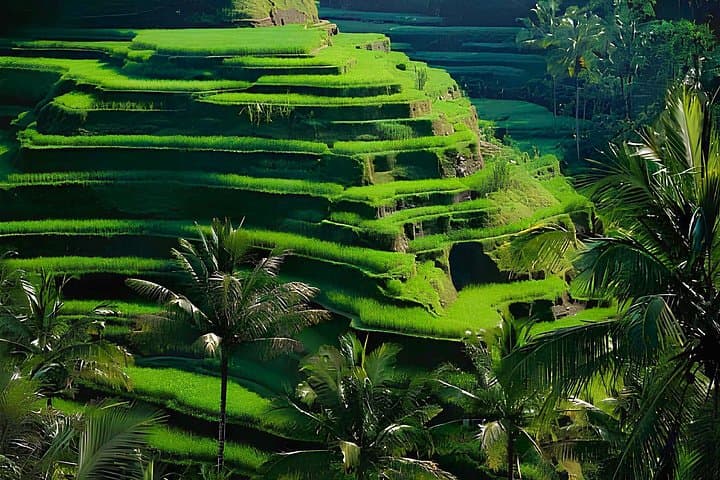
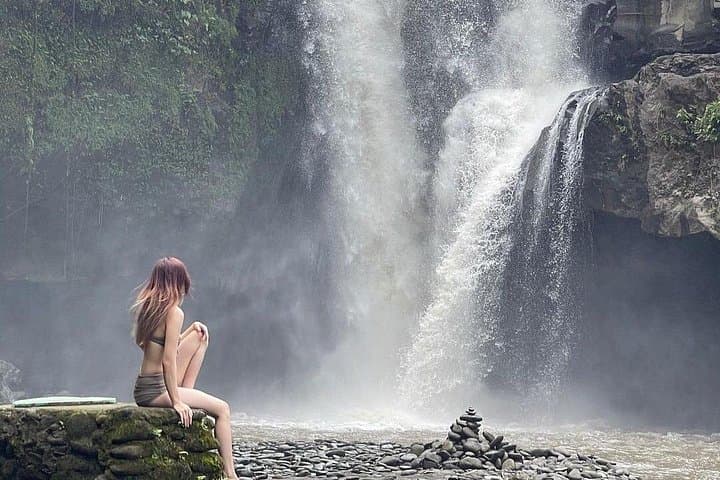
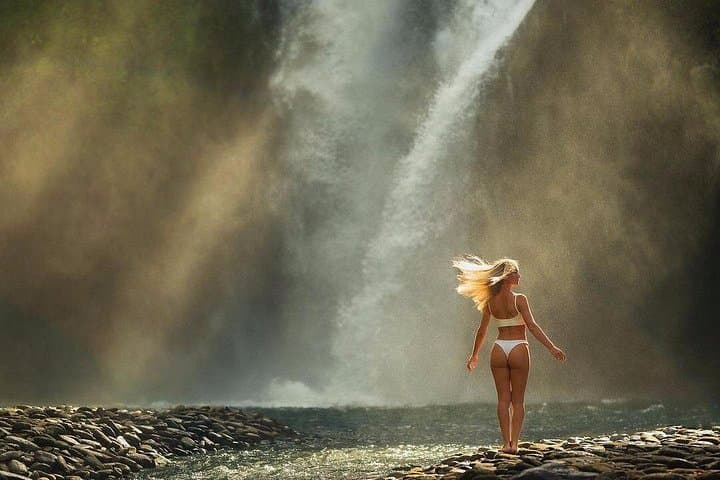
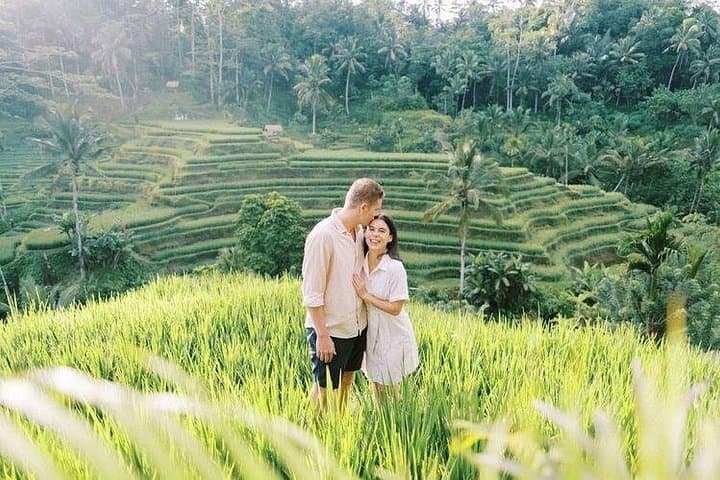
Spend a full day moving from the Sacred Monkey Forest to Tirta Empul’s holy spring, across the sculpted rice terraces of Tegalalang and down to Tegenungan Waterfall. This practical guide outlines what to expect, what to bring, and how to plan for an efficient, respectful day in Ubud.
Spend a full day moving from the Sacred Monkey Forest to Tirta Empul’s holy spring, across the sculpted rice terraces of Tegalalang and down to Tegenungan Waterfall. This practical guide outlines what to expect, what to bring, and how to plan for an efficient, respectful day in Ubud.
Dawn breaks over central Ubud and the road curls past small warungs, caged offerings, and the first wisps of incense. By midmorning the Sacred Monkey Forest hums with motion: long-tailed macaques threading through banyan roots and temple stone as visitors move carefully along shaded paths. The day folds from forest to ritual spring, out across terraced rice contours, and ends with the thunder of Tegenungan — water daring you to step closer.
Verified experiences and guided adventures in the surrounding area.
Operated by Dewata Memories Tours · Ubud, Bali
Dawn breaks over central Ubud and the road curls past small warungs, caged offerings, and the first wisps of incense. By midmorning the Sacred Monkey Forest hums with motion: long-tailed macaques threading through banyan roots and temple stone as visitors move carefully along shaded paths. The day folds from forest to ritual spring, out across terraced rice contours, and ends with the thunder of Tegenungan — water daring you to step closer.
This loop stitches together Bali’s living systems: the Subak irrigation that shaped Tegalalang’s steep terraces, Tirta Empul’s spring created in myth and still used for purification, and the volcanic soils that feed the island’s wet rice agriculture. Ubud’s culture centers on Hindu temple life and agriculture; local guides often point out practice sites and small family-owned paddies where farming happens the old way.
Practical guidance: the tour runs 8–10 hours with gentle walking, some stairs and uneven trails. Expect humidity, frequent short hikes on stone steps, and crowded photo spots at popular viewpoints. Bring a sarong or rent one at temples; women should note temple entry rules. Wear sturdy shoes for riverbanks and waterfall approaches and carry swimwear if you plan to enter Tegenungan’s pool.
Timing matters — arrive early at Monkey Forest or Tegalalang to avoid buses. Hydrate steadily in Bali’s heat and keep valuables zipped; macaques are adept at finding snacks and loose sunglasses. A respectful pace and basic temple etiquette turn a busy day into a meaningful one.
Not always — many sites require separate admission; check your booking details and have local currency for tickets and donations.
Yes — there is a pool at the base and swimming is common, but currents and rocks mean caution is necessary; wear water shoes if possible.
The itinerary is family-friendly but infants should sit on laps and children must be supervised around monkeys and water; stroller access is limited in some areas.
Guides and drivers are helpful for logistics, local insights, and translation; many bookings include a private English-speaking driver.
Dewata Memories Tours operates guided outdoor trips and adventures with an emphasis on safety, stewardship, and memorable experiences.
Dawn breaks over central Ubud and the road curls past small warungs, caged offerings, and the first wisps of incense. By midmorning the Sacred Monkey Forest hums with motion: long-tailed macaques threading through banyan roots and temple stone as visitors move carefully along shaded paths. The day folds from forest to ritual spring, out across terraced rice contours, and ends with the thunder of Tegenungan — water daring you to step closer.
Dawn breaks over central Ubud and the road curls past small warungs, caged offerings, and the first wisps of incense. By midmorning the Sacred Monkey Forest hums with motion: long-tailed macaques threading through banyan roots and temple stone as visitors move carefully along shaded paths. The day folds from forest to ritual spring, out across terraced rice contours, and ends with the thunder of Tegenungan — water daring you to step closer.
This loop stitches together Bali’s living systems: the Subak irrigation that shaped Tegalalang’s steep terraces, Tirta Empul’s spring created in myth and still used for purification, and the volcanic soils that feed the island’s wet rice agriculture. Ubud’s culture centers on Hindu temple life and agriculture; local guides often point out practice sites and small family-owned paddies where farming happens the old way.
Practical guidance: the tour runs 8–10 hours with gentle walking, some stairs and uneven trails. Expect humidity, frequent short hikes on stone steps, and crowded photo spots at popular viewpoints. Bring a sarong or rent one at temples; women should note temple entry rules. Wear sturdy shoes for riverbanks and waterfall approaches and carry swimwear if you plan to enter Tegenungan’s pool.
Timing matters — arrive early at Monkey Forest or Tegalalang to avoid buses. Hydrate steadily in Bali’s heat and keep valuables zipped; macaques are adept at finding snacks and loose sunglasses. A respectful pace and basic temple etiquette turn a busy day into a meaningful one.
