THE ADVENTURE COLLECTIVE® · Independent discovery and booking for outdoor travel

Spend a day moving from monkey-shaded temples to jungle waterfalls and the sculpted green steps of Tegalalang. This full-day guided tour pairs nature and culture with practical tips for navigating slippery falls, respectful monkey encounters and the best times for photos.
Spend a day moving from monkey-shaded temples to jungle waterfalls and the sculpted green steps of Tegalalang. This full-day guided tour pairs nature and culture with practical tips for navigating slippery falls, respectful monkey encounters and the best times for photos.
The van eases out of the rice-paddy light and into a lane shaded by tall palms; soon you are stepping under the mossy gate of the Ubud Monkey Forest, where the chatter of macaques mixes with temple bells. For a full day—about 10 hours—this guided loop through Ubud’s green heart stitches together ritual, geology and a string of waterfalls that seem to know exactly how to cool a hot Balinese afternoon.
Verified experiences and guided adventures in the surrounding area.
Operated by Seminyak Driver · Ubud, Bali
The van eases out of the rice-paddy light and into a lane shaded by tall palms; soon you are stepping under the mossy gate of the Ubud Monkey Forest, where the chatter of macaques mixes with temple bells. For a full day—about 10 hours—this guided loop through Ubud’s green heart stitches together ritual, geology and a string of waterfalls that seem to know exactly how to cool a hot Balinese afternoon.
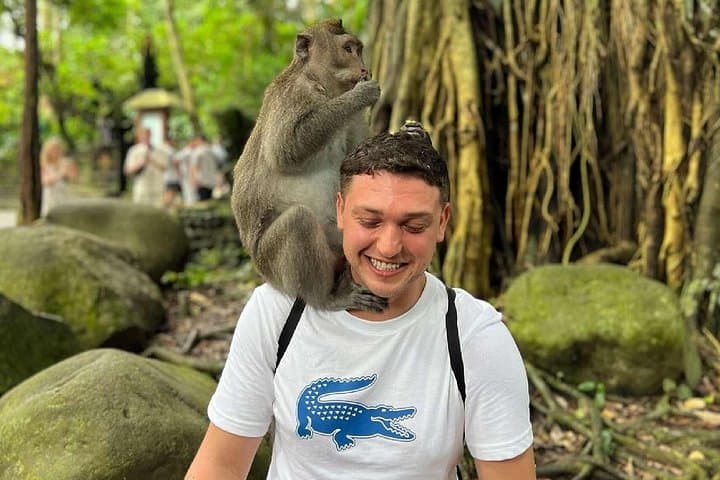
Start: the Monkey Forest moves at its own pace. Paths of compacted earth and flagstone wind past three 14th–16th century shrines; the monkeys are the unruly hosts, curious and quick. Guides will brief you on respectful distance: no sudden movements, no dangling food, and a closed bag is the easiest negotiation.
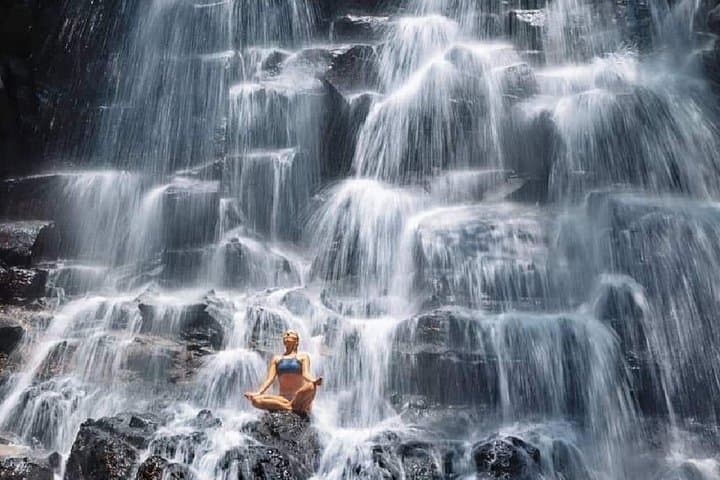
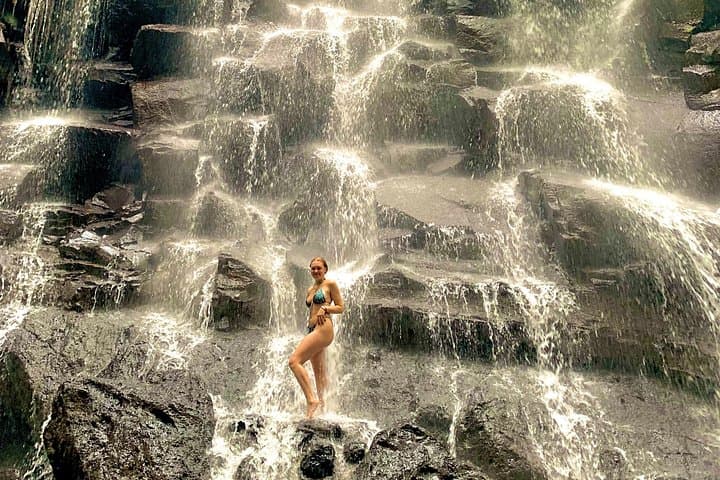
From sanctuary shade the tour drops into the island’s volcanic geology. The Kanto Lampo and Kanto Lampo’s tiered cascade trace water’s long work on basalt and alluvial rock—small cliffs and stepped ledges carved by centuries of runoff. Kanto Lampo’s pools invite a dip; the approach is a short stairway and a 5–10 minute walk across uneven, often wet stone.
Tibumana, quieter and tucked into a jungle amphitheater, feels like a natural cathedral: a single curtain of water falling into a round, clear pool hemmed with ferns. Both falls require short descents and modest scrambling—expect 100–250 vertical steps at some sites and slick surfaces where traction matters more than speed.
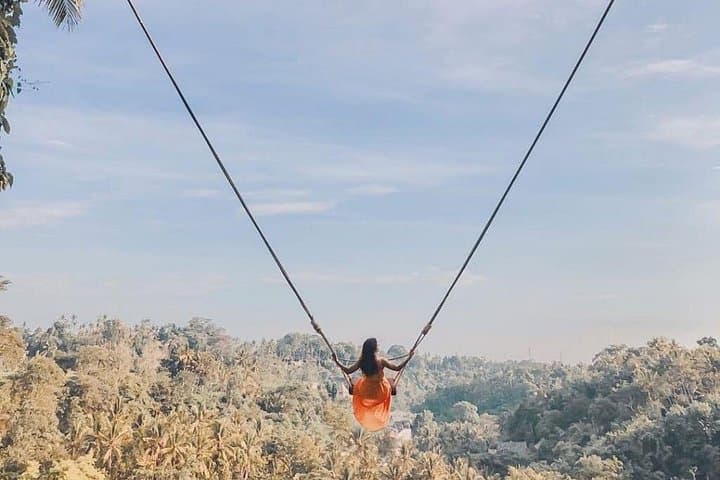
The day closes at Tegalalang, where the land is sculpted by subak—Bali’s cooperative irrigation system. The terraces step away from the road in long ribs of green; strolling the ridge path gives perspective on labor, water management and the rural culture that sustains Bali’s rice cycles. The Ubud swing—optional—lets you trade ground for a momentary, vertiginous view of the valley.
Practical edge: this is an easy day for most travelers but not stroller- or wheelchair-friendly. Expect 1–3 miles of walking broken into short sections, uneven terrain and multiple short stair descents. Wear closed-toe shoes with good grip, bring a quick-dry swimsuit if you plan to swim, and keep valuables zipped and out of sight. Hydrate on the van—bottled water is provided—and budget time for photo stops and short local food breaks.
Cultural note: the sites visited combine living Hindu practice, traditional agriculture and ongoing conservation efforts. The best hours are morning for cool light at the Monkey Forest and late afternoon at Tegalalang for softer shadows. With a local guide you get context—who tends the rice, how water is shared, and why these places matter to Ubud beyond the selfie.
Yes—private round-trip pickup from most Bali hotels is included; confirm your pickup location when booking (Ubud, Seminyak, Canggu, Kuta and other main areas covered).
Families are welcome; supervise children around monkeys and on slippery stair sections—guides will brief groups on safety around wildlife.
Yes—both Kanto Lampo and Tibumana typically allow swimming in calm pool areas; conditions can vary after rain so follow your guide’s advice.
Stay calm, avoid eye contact or sudden movements, and keep hands and belongings close—do not feed the animals; guides will provide instructions.
Entrance tickets for Monkey Forest, Kanto Lampo, Tibumana and Tegalalang are included in the tour price, per the itinerary inclusions.
The swing experience is often optional; the itinerary includes a swing stop but swing fees or photo packages may be extra—confirm at booking.
Seminyak Driver operates guided outdoor trips and adventures with an emphasis on safety, stewardship, and memorable experiences.
The van eases out of the rice-paddy light and into a lane shaded by tall palms; soon you are stepping under the mossy gate of the Ubud Monkey Forest, where the chatter of macaques mixes with temple bells. For a full day—about 10 hours—this guided loop through Ubud’s green heart stitches together ritual, geology and a string of waterfalls that seem to know exactly how to cool a hot Balinese afternoon.
The van eases out of the rice-paddy light and into a lane shaded by tall palms; soon you are stepping under the mossy gate of the Ubud Monkey Forest, where the chatter of macaques mixes with temple bells. For a full day—about 10 hours—this guided loop through Ubud’s green heart stitches together ritual, geology and a string of waterfalls that seem to know exactly how to cool a hot Balinese afternoon.
Start: the Monkey Forest moves at its own pace. Paths of compacted earth and flagstone wind past three 14th–16th century shrines; the monkeys are the unruly hosts, curious and quick. Guides will brief you on respectful distance: no sudden movements, no dangling food, and a closed bag is the easiest negotiation.
From sanctuary shade the tour drops into the island’s volcanic geology. The Kanto Lampo and Kanto Lampo’s tiered cascade trace water’s long work on basalt and alluvial rock—small cliffs and stepped ledges carved by centuries of runoff. Kanto Lampo’s pools invite a dip; the approach is a short stairway and a 5–10 minute walk across uneven, often wet stone.
Tibumana, quieter and tucked into a jungle amphitheater, feels like a natural cathedral: a single curtain of water falling into a round, clear pool hemmed with ferns. Both falls require short descents and modest scrambling—expect 100–250 vertical steps at some sites and slick surfaces where traction matters more than speed.
The day closes at Tegalalang, where the land is sculpted by subak—Bali’s cooperative irrigation system. The terraces step away from the road in long ribs of green; strolling the ridge path gives perspective on labor, water management and the rural culture that sustains Bali’s rice cycles. The Ubud swing—optional—lets you trade ground for a momentary, vertiginous view of the valley.
Practical edge: this is an easy day for most travelers but not stroller- or wheelchair-friendly. Expect 1–3 miles of walking broken into short sections, uneven terrain and multiple short stair descents. Wear closed-toe shoes with good grip, bring a quick-dry swimsuit if you plan to swim, and keep valuables zipped and out of sight. Hydrate on the van—bottled water is provided—and budget time for photo stops and short local food breaks.
Cultural note: the sites visited combine living Hindu practice, traditional agriculture and ongoing conservation efforts. The best hours are morning for cool light at the Monkey Forest and late afternoon at Tegalalang for softer shadows. With a local guide you get context—who tends the rice, how water is shared, and why these places matter to Ubud beyond the selfie.