THE ADVENTURE COLLECTIVE® · Independent discovery and booking for outdoor travel

A full-day private tour from Ubud that pairs two hidden waterfalls with the sacred springs of Tirta Empul and the panoramic Tegallalang rice terraces. Expect short hikes, temple ritual guidance, and hands-on cultural stops with an English-speaking local driver.
A full-day private tour from Ubud that pairs two hidden waterfalls with the sacred springs of Tirta Empul and the panoramic Tegallalang rice terraces. Expect short hikes, temple ritual guidance, and hands-on cultural stops with an English-speaking local driver.
The van brakes and the jungle exhales. You step out under a high curtain of green and the steady hiss of falling water draws you down a narrow path—this is Kanto Lampo, the first note of an Ubud day that moves from intimate cascades to ritual springs and rice terraces carved like steps into volcanic earth.
Verified experiences and guided adventures in the surrounding area.
Operated by Budi Tours Bali · Ubud, Bali
The van brakes and the jungle exhales. You step out under a high curtain of green and the steady hiss of falling water draws you down a narrow path—this is Kanto Lampo, the first note of an Ubud day that moves from intimate cascades to ritual springs and rice terraces carved like steps into volcanic earth.
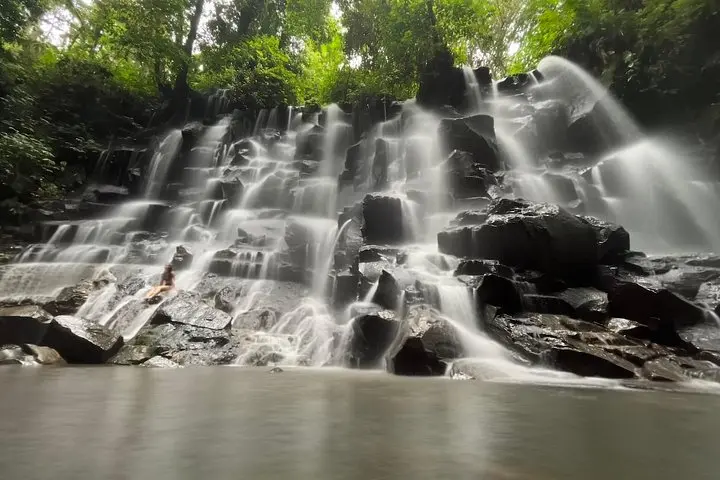
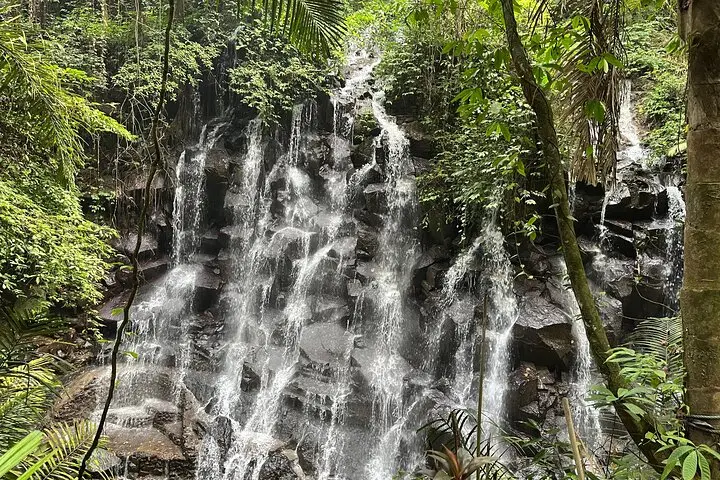
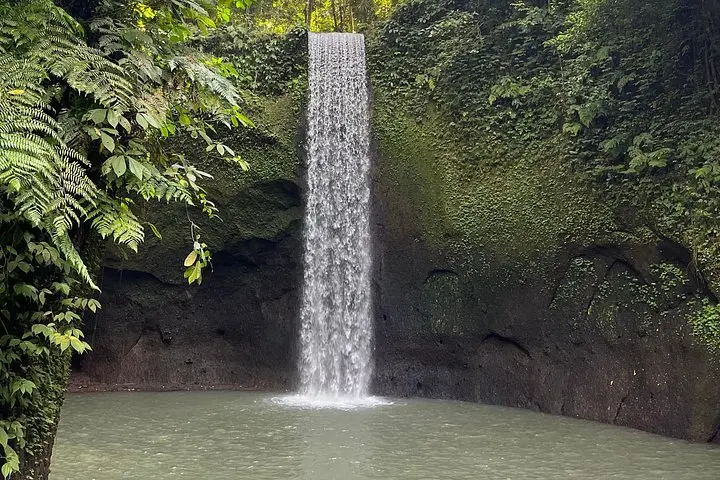
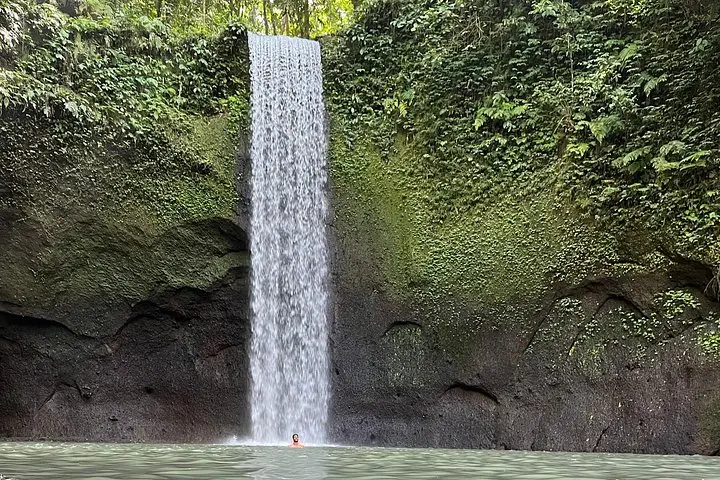
Kanto Lampo's stream threads over layered volcanic rock; the drop is sculpted into terraces of stone so the water lands with a gentle roar that invites people to step closer for a photograph. Later, a brief 15-minute descent through shade and root-laced steps leads to Tibumana, a single-sheet curtain that pours into a cool plunge pool—an inviting place to dip a shoulder and wipe the road dust away.
The afternoon shifts tone at Tirta Empul. This temple dates back roughly to the 10th century and was built around a spring regarded by Balinese Hindus as sacred purification water. Here the guide explains the ritual: cloths, offerings, and a lined series of fountains where pilgrims move from one spout to the next. Respect and modesty are required; sarongs are usually available but bring one if you prefer.
Tegallalang’s terraces close the day with a geological and agricultural lesson. These rice platforms aren’t ornamental—they’re working land, consciously engineered for water management through the subak cooperative system that dates to the 9th–10th centuries. The terraces sit on volcanic soils left by Bali’s complex chain of eruptions; the island’s topography and rich soil are what make these stepped paddies so productive.
A final stop at a Balinese painting demonstration reconnects the visit to craft and culture—local artists showing style, motifs, and the meaning behind wayang characters and ceremonial scenes. The private tour structure means fewer crowds, an English-speaking driver who doubles as a local storyteller, and time to try a swing or carry a rice basket for photos.
Practical bits: the day runs about 7–9 hours with hotel pickup in Ubud. Trails are short but slippery—good footwear and a waterproof layer matter. Temple visits require modest dress; bring a sarong or plan to borrow one. Entry fees and parking are included, but small cash for tips or extra activities (Bali swing, photo props) is useful. Expect wet-season waterfalls to be fuller and more dramatic; in dry months pools are clearer but the jungle can look drier.
This tour is an efficient primer on central Bali—water, ritual, rice, and craft—designed for travelers who want context as much as scenery. Arrive with a phone battery or a small camera, plan for humidity, and allow some flexibility: the best moments here are often unplanned—an unexpected sunbeam on a terrace, or the sudden cool of waterfall spray.
The tour lasts approximately 7–9 hours and includes private transportation, bottled water, entrance fees to listed sites, parking, and an English-speaking driver.
Yes—your guide will explain the ritual. Modest dress and respectful behavior are required; sarongs are often available to borrow.
Tibumana has a natural pool suitable for a dip when conditions are calm; Kanto Lampo is more for photos—assess current conditions and follow staff guidance.
Pickup is available within Ubud; pickups outside the area may incur an extra charge—specify your location when booking.
Yes—infants must sit on laps. The tour is considered easy, but parents should supervise near water and steep paths.
Bring a waterproof case, extra battery, and a lens cloth—water spray and humidity can fog lenses quickly.
Budi Tours Bali operates guided outdoor trips and adventures with an emphasis on safety, stewardship, and memorable experiences.
The van brakes and the jungle exhales. You step out under a high curtain of green and the steady hiss of falling water draws you down a narrow path—this is Kanto Lampo, the first note of an Ubud day that moves from intimate cascades to ritual springs and rice terraces carved like steps into volcanic earth.
The van brakes and the jungle exhales. You step out under a high curtain of green and the steady hiss of falling water draws you down a narrow path—this is Kanto Lampo, the first note of an Ubud day that moves from intimate cascades to ritual springs and rice terraces carved like steps into volcanic earth.
Kanto Lampo's stream threads over layered volcanic rock; the drop is sculpted into terraces of stone so the water lands with a gentle roar that invites people to step closer for a photograph. Later, a brief 15-minute descent through shade and root-laced steps leads to Tibumana, a single-sheet curtain that pours into a cool plunge pool—an inviting place to dip a shoulder and wipe the road dust away.
The afternoon shifts tone at Tirta Empul. This temple dates back roughly to the 10th century and was built around a spring regarded by Balinese Hindus as sacred purification water. Here the guide explains the ritual: cloths, offerings, and a lined series of fountains where pilgrims move from one spout to the next. Respect and modesty are required; sarongs are usually available but bring one if you prefer.
Tegallalang’s terraces close the day with a geological and agricultural lesson. These rice platforms aren’t ornamental—they’re working land, consciously engineered for water management through the subak cooperative system that dates to the 9th–10th centuries. The terraces sit on volcanic soils left by Bali’s complex chain of eruptions; the island’s topography and rich soil are what make these stepped paddies so productive.
A final stop at a Balinese painting demonstration reconnects the visit to craft and culture—local artists showing style, motifs, and the meaning behind wayang characters and ceremonial scenes. The private tour structure means fewer crowds, an English-speaking driver who doubles as a local storyteller, and time to try a swing or carry a rice basket for photos.
Practical bits: the day runs about 7–9 hours with hotel pickup in Ubud. Trails are short but slippery—good footwear and a waterproof layer matter. Temple visits require modest dress; bring a sarong or plan to borrow one. Entry fees and parking are included, but small cash for tips or extra activities (Bali swing, photo props) is useful. Expect wet-season waterfalls to be fuller and more dramatic; in dry months pools are clearer but the jungle can look drier.
This tour is an efficient primer on central Bali—water, ritual, rice, and craft—designed for travelers who want context as much as scenery. Arrive with a phone battery or a small camera, plan for humidity, and allow some flexibility: the best moments here are often unplanned—an unexpected sunbeam on a terrace, or the sudden cool of waterfall spray.