THE ADVENTURE COLLECTIVE® · Independent discovery and booking for outdoor travel
Spend a half day moving from sacred forest to rice terraces and an adrenaline jungle swing. This guided loop through Ubud offers wildlife encounters, traditional irrigation landscapes, a waterfall swim, and local coffee tasting.
Spend a half day moving from sacred forest to rice terraces and an adrenaline jungle swing. This guided loop through Ubud offers wildlife encounters, traditional irrigation landscapes, a waterfall swim, and local coffee tasting.
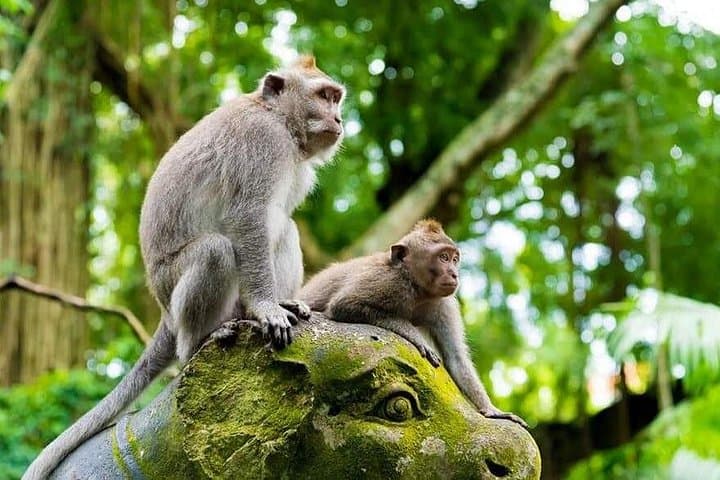
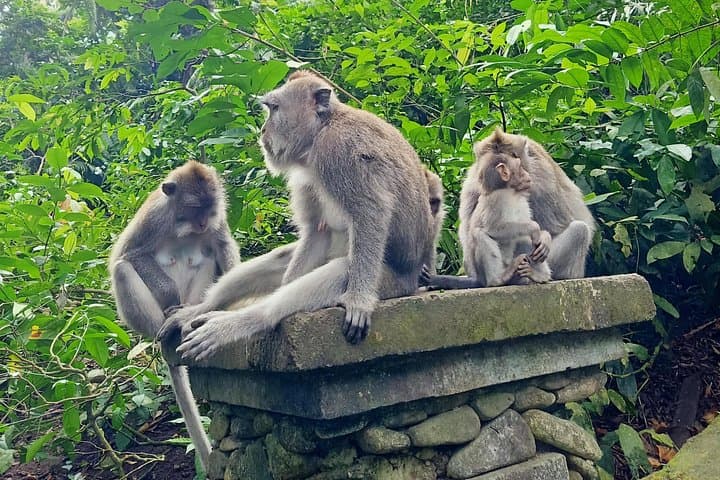
You step from Ubud’s narrow lane into a humid cathedral of banyans and palm, where macaques blur between sunlit trunks and temple stones. The forest smells of damp earth and incense; monkeys regard you with quick curiosity while a guide outlines the rules that keep both animals and visitors safe.
Verified experiences and guided adventures in the surrounding area.
Operated by CV MyBali Explore · Ubud, Bali
You step from Ubud’s narrow lane into a humid cathedral of banyans and palm, where macaques blur between sunlit trunks and temple stones. The forest smells of damp earth and incense; monkeys regard you with quick curiosity while a guide outlines the rules that keep both animals and visitors safe.
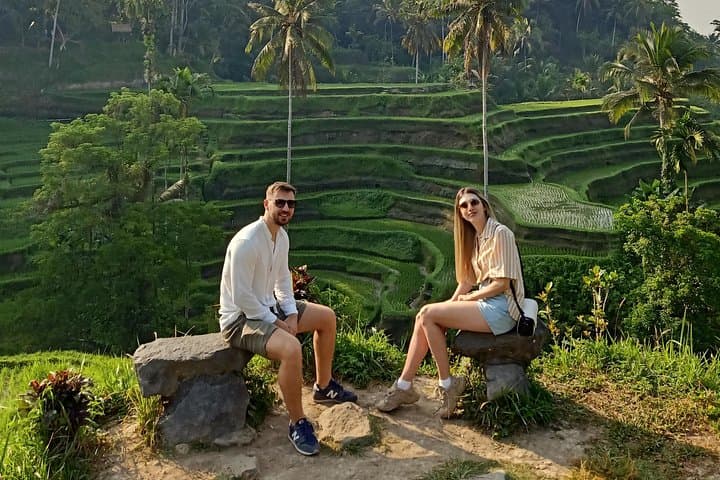
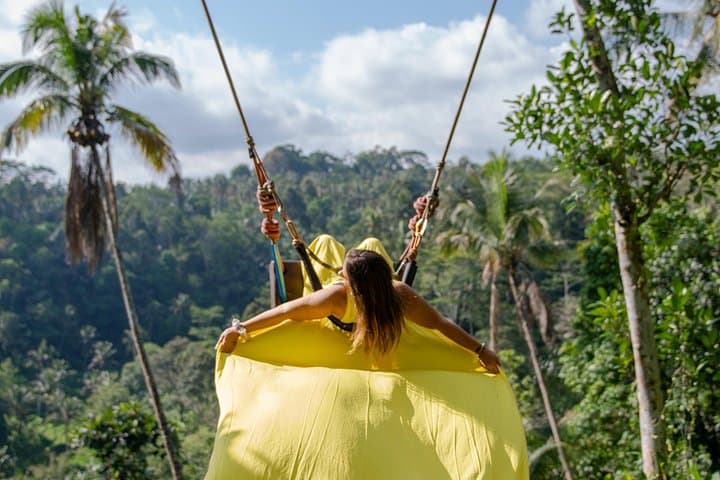
The tour threads together three distinct landscapes. The Ubud Monkey Forest (Padangtegal) is a cultural sanctuary anchored by 14th-century temple ruins and active macaque troops that have become synonymous with central Bali. Tegalalang’s rice terraces display the island’s centuries-old subak irrigation—stone channels that route water as deliberately as a village’s calendar. Geologically, these valleys sit on volcanic soils fed by Bali’s central highlands, producing the fertile shelves that shape local farming life. A jungle swing punctuates the day, a short adrenaline burst suspended above rice paddies and palms; nearby Ulu Petanu waterfall offers a freshwater cool-down, carved into volcanic rock and lined with moss.
Practical guide: expect 6–7 hours with moderate walking on uneven, sometimes slippery paths and steps. Wear good grip shoes for trails and swimwear if you plan to enter the waterfall pool. Carry cash for small entrance fees, local snacks, and photos; bring mosquito repellent and a lightweight rain layer—Bali’s weather changes fast.
Respect the wildlife: avoid feeding or sudden movements around macaques, secure loose items, and follow your guide’s directions. Time your visit for morning or late afternoon to miss peak heat and crowds, and you’ll get the clearest light for photos and quieter glimpses of village life.
Macaques are wild animals—generally curious but can bite or grab loose items; follow guide instructions, keep distance, and do not feed them.
Swimming is typically allowed at Ulu Petanu, but conditions vary—obey local signage and your guide regarding depth, currents, and slippery rocks.
Yes—carry small cash for local entrance fees, tips, photo packages, and purchases at small stalls that may not accept cards.
Children can join but require supervision around wildlife and water; this activity is not recommended for pregnant travelers or those with serious back/heart conditions due to uneven terrain and the swing.
CV MyBali Explore operates guided outdoor trips and adventures with an emphasis on safety, stewardship, and memorable experiences.
You step from Ubud’s narrow lane into a humid cathedral of banyans and palm, where macaques blur between sunlit trunks and temple stones. The forest smells of damp earth and incense; monkeys regard you with quick curiosity while a guide outlines the rules that keep both animals and visitors safe.
You step from Ubud’s narrow lane into a humid cathedral of banyans and palm, where macaques blur between sunlit trunks and temple stones. The forest smells of damp earth and incense; monkeys regard you with quick curiosity while a guide outlines the rules that keep both animals and visitors safe.
The tour threads together three distinct landscapes. The Ubud Monkey Forest (Padangtegal) is a cultural sanctuary anchored by 14th-century temple ruins and active macaque troops that have become synonymous with central Bali. Tegalalang’s rice terraces display the island’s centuries-old subak irrigation—stone channels that route water as deliberately as a village’s calendar. Geologically, these valleys sit on volcanic soils fed by Bali’s central highlands, producing the fertile shelves that shape local farming life. A jungle swing punctuates the day, a short adrenaline burst suspended above rice paddies and palms; nearby Ulu Petanu waterfall offers a freshwater cool-down, carved into volcanic rock and lined with moss.
Practical guide: expect 6–7 hours with moderate walking on uneven, sometimes slippery paths and steps. Wear good grip shoes for trails and swimwear if you plan to enter the waterfall pool. Carry cash for small entrance fees, local snacks, and photos; bring mosquito repellent and a lightweight rain layer—Bali’s weather changes fast.
Respect the wildlife: avoid feeding or sudden movements around macaques, secure loose items, and follow your guide’s directions. Time your visit for morning or late afternoon to miss peak heat and crowds, and you’ll get the clearest light for photos and quieter glimpses of village life.
