THE ADVENTURE COLLECTIVE® · Independent discovery and booking for outdoor travel

Spend a private day in central Bali visiting Ubud’s Monkey Forest, the terraced rice fields of Tegalalang and the plunge pools of Tegenungan Waterfall. This flexible, guided tour pairs cultural sites and natural viewpoints with market stops and a coffee plantation visit.
Spend a private day in central Bali visiting Ubud’s Monkey Forest, the terraced rice fields of Tegalalang and the plunge pools of Tegenungan Waterfall. This flexible, guided tour pairs cultural sites and natural viewpoints with market stops and a coffee plantation visit.
You step out of an air‑conditioned car into a humidity that presses gently against your shirt, and the first sound is chattering—quick, clever, and territorial. Long‑tailed macaques move through the trees at the Sacred Monkey Forest as if they own the map, while farther up a valley the rice terraces climb like stairs cut into the earth and the waterfall bolts water into a cool, echoing bowl.
Verified experiences and guided adventures in the surrounding area.
Operated by Bali Charm · Ubud, Bali
You step out of an air‑conditioned car into a humidity that presses gently against your shirt, and the first sound is chattering—quick, clever, and territorial. Long‑tailed macaques move through the trees at the Sacred Monkey Forest as if they own the map, while farther up a valley the rice terraces climb like stairs cut into the earth and the waterfall bolts water into a cool, echoing bowl.
Ubud grew as a cultural center in central Bali, with temple complexes and the subak system — a community irrigation method that shaped terraces like Tegalalang. The area’s geology is volcanic clay and fertile river valleys; rivers have carved the gullies that feed waterfalls such as Tegenungan. Local villages around Ubud specialize in handicrafts: woodcarving in Mas, silverwork in Celuk, and small coffee plantations producing kopi luwak and roasted blends.
On a private day tour you’ll move between sites in a comfortable car with a driver‑guide who can suggest lunch options overlooking a river or a farm. Expect 7–8 hours overall with short walks of 20–60 minutes at each stop; terrain ranges from paved market lanes to uneven terrace steps and damp trail to the waterfall. Pack cash for small entry fees and bargaining at markets, wear closed shoes for slippery paths, and carry a light rain layer in the wet months. Keep a respectful distance from monkeys, secure loose items, and pace photo stops early in the day to avoid crowds. With simple preparation you’ll leave with both images and a clearer sense of Bali’s blend of nature, craft, and water‑shaped landscape.
Most site entrance fees and activities (e.g., Monkey Forest, rice terrace viewpoints, waterfall access) are usually not prepaid—bring cash; confirm with the operator before departure.
Monkeys are wild and unpredictable; keep distance, avoid feeding them, secure belongings and follow your guide’s instructions for safe viewing.
Yes—itineraries typically include a riverside or village lunch and time at Ubud Art Market and craft villages; the driver can suggest or reserve restaurants.
Yes—this private tour is flexible and your driver‑guide can adjust stops and timing based on interests and mobility needs.
Bali Charm operates guided outdoor trips and adventures with an emphasis on safety, stewardship, and memorable experiences.
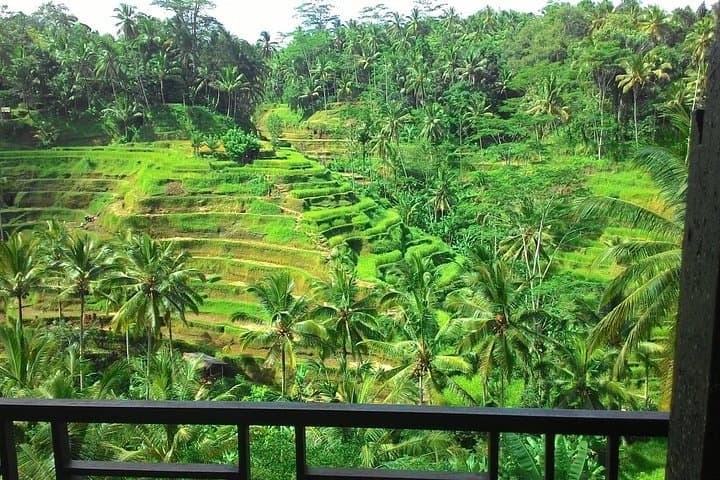
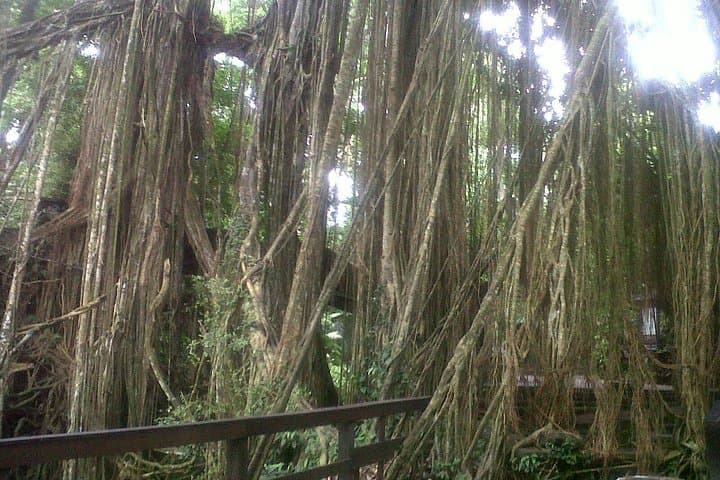
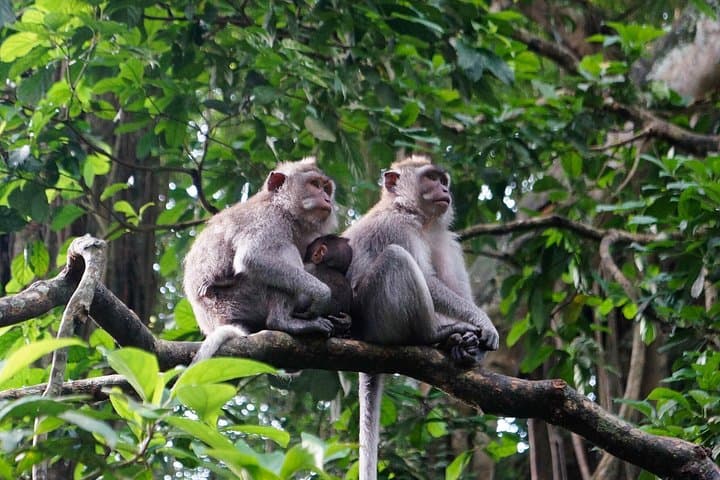
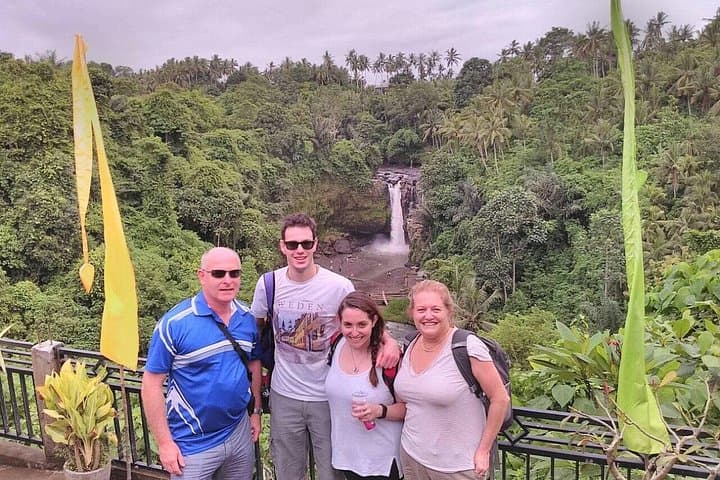
You step out of an air‑conditioned car into a humidity that presses gently against your shirt, and the first sound is chattering—quick, clever, and territorial. Long‑tailed macaques move through the trees at the Sacred Monkey Forest as if they own the map, while farther up a valley the rice terraces climb like stairs cut into the earth and the waterfall bolts water into a cool, echoing bowl.
You step out of an air‑conditioned car into a humidity that presses gently against your shirt, and the first sound is chattering—quick, clever, and territorial. Long‑tailed macaques move through the trees at the Sacred Monkey Forest as if they own the map, while farther up a valley the rice terraces climb like stairs cut into the earth and the waterfall bolts water into a cool, echoing bowl.
Ubud grew as a cultural center in central Bali, with temple complexes and the subak system — a community irrigation method that shaped terraces like Tegalalang. The area’s geology is volcanic clay and fertile river valleys; rivers have carved the gullies that feed waterfalls such as Tegenungan. Local villages around Ubud specialize in handicrafts: woodcarving in Mas, silverwork in Celuk, and small coffee plantations producing kopi luwak and roasted blends.
On a private day tour you’ll move between sites in a comfortable car with a driver‑guide who can suggest lunch options overlooking a river or a farm. Expect 7–8 hours overall with short walks of 20–60 minutes at each stop; terrain ranges from paved market lanes to uneven terrace steps and damp trail to the waterfall. Pack cash for small entry fees and bargaining at markets, wear closed shoes for slippery paths, and carry a light rain layer in the wet months. Keep a respectful distance from monkeys, secure loose items, and pace photo stops early in the day to avoid crowds. With simple preparation you’ll leave with both images and a clearer sense of Bali’s blend of nature, craft, and water‑shaped landscape.