THE ADVENTURE COLLECTIVE® · Independent discovery and booking for outdoor travel

Spend a concentrated day exploring Ubud’s signature sights: a cascading waterfall, sculpted rice terraces, a lively monkey forest and Tirta Empul holy spring. This easy loop blends nature, craft villages and living Hindu ritual for first‑time visitors.
Spend a concentrated day exploring Ubud’s signature sights: a cascading waterfall, sculpted rice terraces, a lively monkey forest and Tirta Empul holy spring. This easy loop blends nature, craft villages and living Hindu ritual for first‑time visitors.
Morning light filters through palms as an air‑conditioned van eases out of Ubud and into a valley of rice walls and temples. The first stop, Tegenungan Waterfall, drops like a curtain through verdant cliffs—its spray daring you closer while the valley holds a quiet, layered hum of insects and irrigation channels.
Verified experiences and guided adventures in the surrounding area.
Operated by Tour Bali Gili · Ubud, Bali
Morning light filters through palms as an air‑conditioned van eases out of Ubud and into a valley of rice walls and temples. The first stop, Tegenungan Waterfall, drops like a curtain through verdant cliffs—its spray daring you closer while the valley holds a quiet, layered hum of insects and irrigation channels.
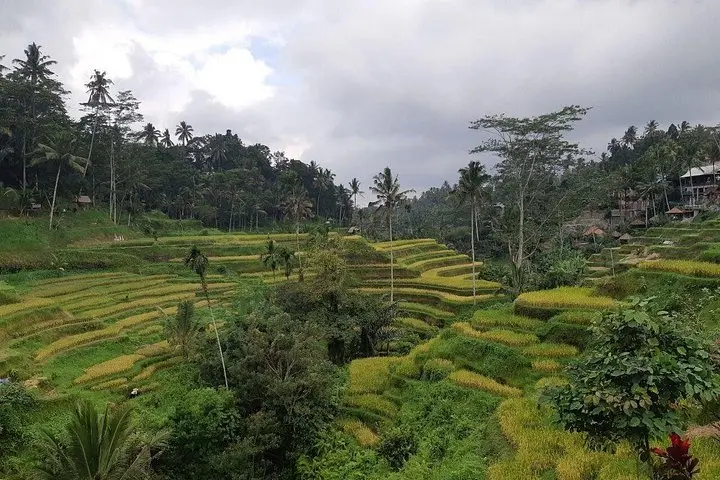
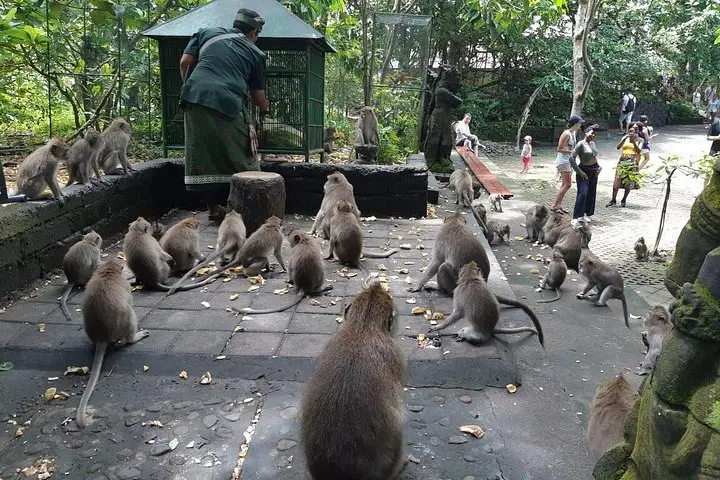
This single‑day loop stitches together the practical and the sacred. Tegallalang’s carved terraces are living engineering: centuries‑old subak irrigation carved into volcanic slopes that supply Bali’s staple, rice. The Sacred Monkey Forest preserves temple compounds and centuries of royal patronage, where grey long‑tailed macaques weave through banyan roots and offerings on temple altars. At Tirta Empul, mineral springs have powered purification rites for a thousand years; worshippers still step into its pools for ritual cleansing.
Geology here is volcanic—steep ravines, terraced slopes, and spring water shaped by limestone pockets and geothermal heat. Balinese culture is visible in carved gateways, temple cloths, and the steady presence of offerings; guides usually explain proper temple etiquette and the significance of the holy water.
Practical side: expect short walks, stair descent at the falls, and photo stops at market stalls and craft villages. Wear closed‑toe shoes for uneven ground, carry sun protection and insect spray, and respect monkeys—do not feed them. The tour moves at a comfortable pace for most travelers and is a good primer for first‑time visitors wanting a concentrated view of Ubud’s nature, craft, and ritual life.
Most tours include basic admission for listed sites like Tegenungan and Tirta Empul—confirm with the operator at booking.
Yes; the tour notes infant seats and stroller access but expect stairs at the waterfall and some uneven paths.
You can observe them closely, but do not feed or touch them; guides will brief you on safe behavior.
Transport and some areas are accessible, but sites like Tegenungan require stair access and may not be fully suitable for wheelchairs.
Tour Bali Gili operates guided outdoor trips and adventures with an emphasis on safety, stewardship, and memorable experiences.
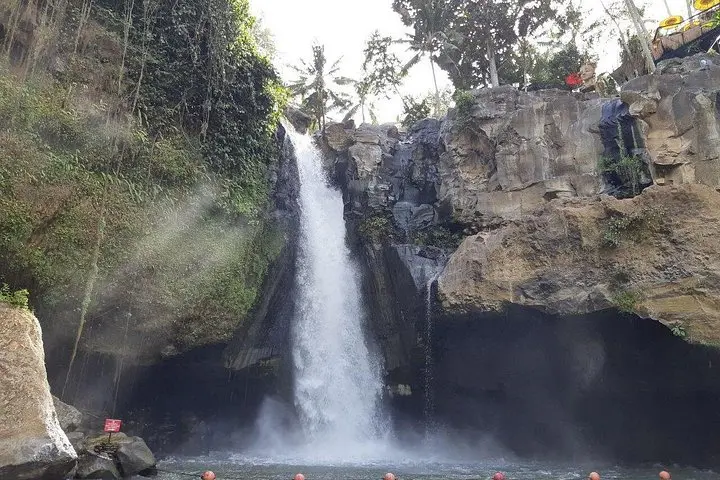
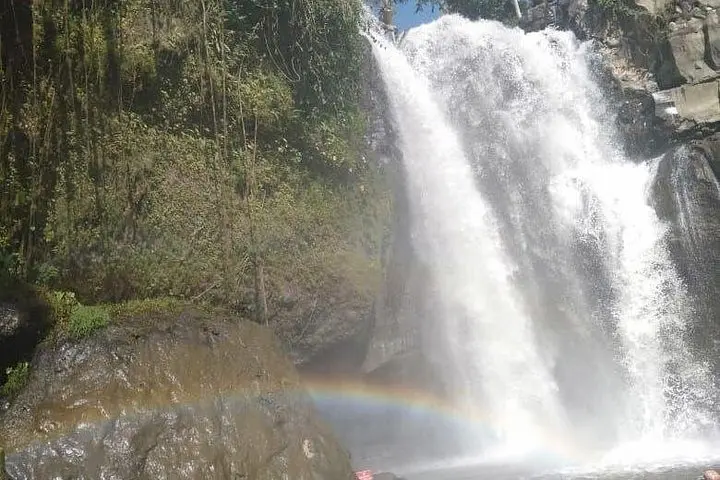
Morning light filters through palms as an air‑conditioned van eases out of Ubud and into a valley of rice walls and temples. The first stop, Tegenungan Waterfall, drops like a curtain through verdant cliffs—its spray daring you closer while the valley holds a quiet, layered hum of insects and irrigation channels.
Morning light filters through palms as an air‑conditioned van eases out of Ubud and into a valley of rice walls and temples. The first stop, Tegenungan Waterfall, drops like a curtain through verdant cliffs—its spray daring you closer while the valley holds a quiet, layered hum of insects and irrigation channels.
This single‑day loop stitches together the practical and the sacred. Tegallalang’s carved terraces are living engineering: centuries‑old subak irrigation carved into volcanic slopes that supply Bali’s staple, rice. The Sacred Monkey Forest preserves temple compounds and centuries of royal patronage, where grey long‑tailed macaques weave through banyan roots and offerings on temple altars. At Tirta Empul, mineral springs have powered purification rites for a thousand years; worshippers still step into its pools for ritual cleansing.
Geology here is volcanic—steep ravines, terraced slopes, and spring water shaped by limestone pockets and geothermal heat. Balinese culture is visible in carved gateways, temple cloths, and the steady presence of offerings; guides usually explain proper temple etiquette and the significance of the holy water.
Practical side: expect short walks, stair descent at the falls, and photo stops at market stalls and craft villages. Wear closed‑toe shoes for uneven ground, carry sun protection and insect spray, and respect monkeys—do not feed them. The tour moves at a comfortable pace for most travelers and is a good primer for first‑time visitors wanting a concentrated view of Ubud’s nature, craft, and ritual life.