THE ADVENTURE COLLECTIVE® · Independent discovery and booking for outdoor travel

Spend a focused seven hours exploring Ubud’s highlights: Tegenungan Waterfall, the stepped green of Tegalalang, the cheeky macaques of the Monkey Forest and the historic Ubud Palace. This private, air‑conditioned tour pairs easy walking with cultural stops and practical local guidance.
Spend a focused seven hours exploring Ubud’s highlights: Tegenungan Waterfall, the stepped green of Tegalalang, the cheeky macaques of the Monkey Forest and the historic Ubud Palace. This private, air‑conditioned tour pairs easy walking with cultural stops and practical local guidance.
You step out of an air-conditioned car and the warm Bali air meets you like a living thing — humidity lifting the scent of wet stone and frangipani. A 20‑meter curtain of water at Tegenungan thunders nearby, spray daring you toward a cooling dip; further up, Tegalalang’s carved slopes fall away in ordered green bands, the terraces catching the breeze like a thousand small sails. The day moves at a calm, deliberate pace: a waterfall, a rice terrace lookout, a troop of macaques, then the carved gates and wooden pavilions of the Ubud Royal Palace.
Verified experiences and guided adventures in the surrounding area.
Operated by Telaga Waja Rafting Bali · Ubud, Bali
You step out of an air-conditioned car and the warm Bali air meets you like a living thing — humidity lifting the scent of wet stone and frangipani. A 20‑meter curtain of water at Tegenungan thunders nearby, spray daring you toward a cooling dip; further up, Tegalalang’s carved slopes fall away in ordered green bands, the terraces catching the breeze like a thousand small sails. The day moves at a calm, deliberate pace: a waterfall, a rice terrace lookout, a troop of macaques, then the carved gates and wooden pavilions of the Ubud Royal Palace.
These sites stitch together centuries of Javanese and Balinese influence. Tegalalang’s terraces follow ancient subak irrigation principles linked to a spiritual law that managed water and crop rotation; the palace dates to the early 19th century and remains a cultural focal point. Geologically, the Petanu River’s valley carved the cliffs that feed Tegenungan, producing the cavernous pools below.
Expect light walking, stairs at the waterfall viewpoint, and paved paths at the terraces and palace. The Monkey Forest is an active temple complex managed by the Padangtegal village, where macaques live among banyan roots and temple shrines. Practical notes: bring swimwear and a towel if you plan to enter the pool, carry cash for small-stall purchases and temple donations, and wear a sarong or cover-up for palace and temple etiquette. Morning or late afternoon visits reduce heat and crowds. Respect signs around the monkeys — don’t carry plastic bags or flash food at them. With a private driver handling logistics, this seven‑hour loop is a compact, sensory introduction to Ubud’s cultural landscape.
Yes—this private tour accommodates families; supervise children around water and monkeys and request car seats if needed.
Swimming is commonly done in the lower pools, but conditions vary—follow local guidance, avoid strong currents after rain, and use caution on wet rocks.
This tour lists entrance tickets as included, but confirm at booking whether all site fees and any optional lunch are covered for your selected option.
Tipping is customary for good service in Bali; a modest tip at the end of a private day tour is appreciated but not mandatory.
Telaga Waja Rafting Bali operates guided outdoor trips and adventures with an emphasis on safety, stewardship, and memorable experiences.
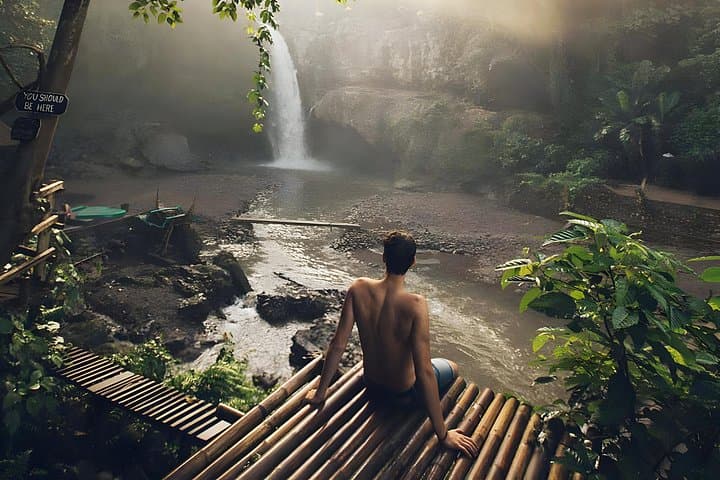
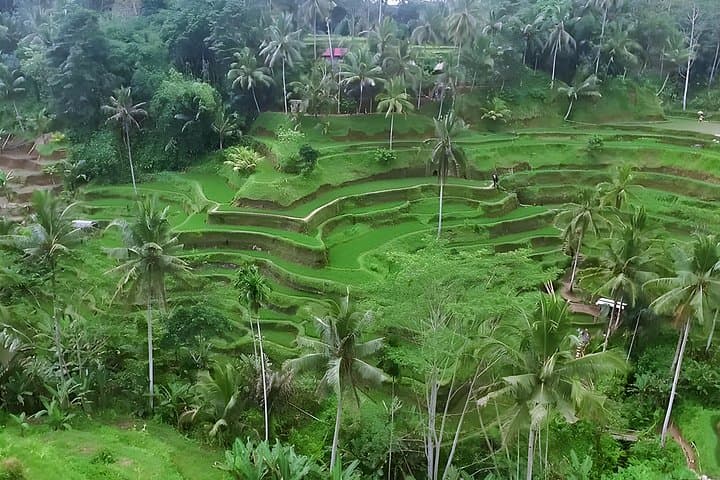
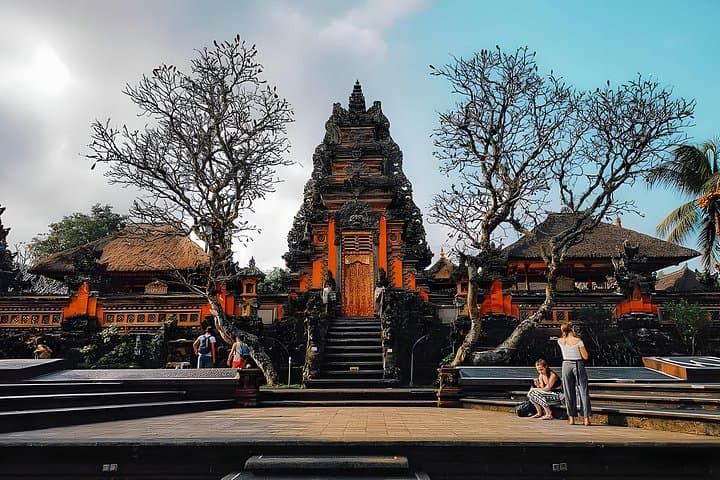
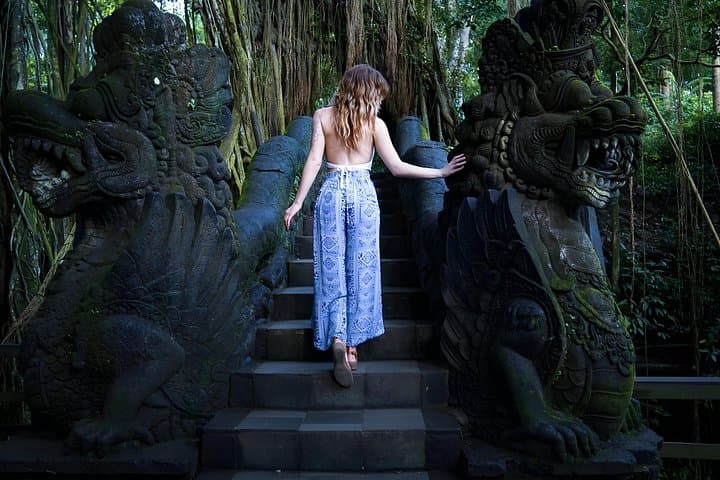
You step out of an air-conditioned car and the warm Bali air meets you like a living thing — humidity lifting the scent of wet stone and frangipani. A 20‑meter curtain of water at Tegenungan thunders nearby, spray daring you toward a cooling dip; further up, Tegalalang’s carved slopes fall away in ordered green bands, the terraces catching the breeze like a thousand small sails. The day moves at a calm, deliberate pace: a waterfall, a rice terrace lookout, a troop of macaques, then the carved gates and wooden pavilions of the Ubud Royal Palace.
You step out of an air-conditioned car and the warm Bali air meets you like a living thing — humidity lifting the scent of wet stone and frangipani. A 20‑meter curtain of water at Tegenungan thunders nearby, spray daring you toward a cooling dip; further up, Tegalalang’s carved slopes fall away in ordered green bands, the terraces catching the breeze like a thousand small sails. The day moves at a calm, deliberate pace: a waterfall, a rice terrace lookout, a troop of macaques, then the carved gates and wooden pavilions of the Ubud Royal Palace.
These sites stitch together centuries of Javanese and Balinese influence. Tegalalang’s terraces follow ancient subak irrigation principles linked to a spiritual law that managed water and crop rotation; the palace dates to the early 19th century and remains a cultural focal point. Geologically, the Petanu River’s valley carved the cliffs that feed Tegenungan, producing the cavernous pools below.
Expect light walking, stairs at the waterfall viewpoint, and paved paths at the terraces and palace. The Monkey Forest is an active temple complex managed by the Padangtegal village, where macaques live among banyan roots and temple shrines. Practical notes: bring swimwear and a towel if you plan to enter the pool, carry cash for small-stall purchases and temple donations, and wear a sarong or cover-up for palace and temple etiquette. Morning or late afternoon visits reduce heat and crowds. Respect signs around the monkeys — don’t carry plastic bags or flash food at them. With a private driver handling logistics, this seven‑hour loop is a compact, sensory introduction to Ubud’s cultural landscape.