THE ADVENTURE COLLECTIVE® · Independent discovery and booking for outdoor travel

Spend a day from Ubud moving through emerald rice terraces, holy spring rites at Tirta Empul, and two forest waterfalls. This guided loop balances short hikes, cultural immersion, and swim-ready plunge pools—ideal for travelers who want a compact, active primer on Bali’s relationship with water.
Spend a day from Ubud moving through emerald rice terraces, holy spring rites at Tirta Empul, and two forest waterfalls. This guided loop balances short hikes, cultural immersion, and swim-ready plunge pools—ideal for travelers who want a compact, active primer on Bali’s relationship with water.
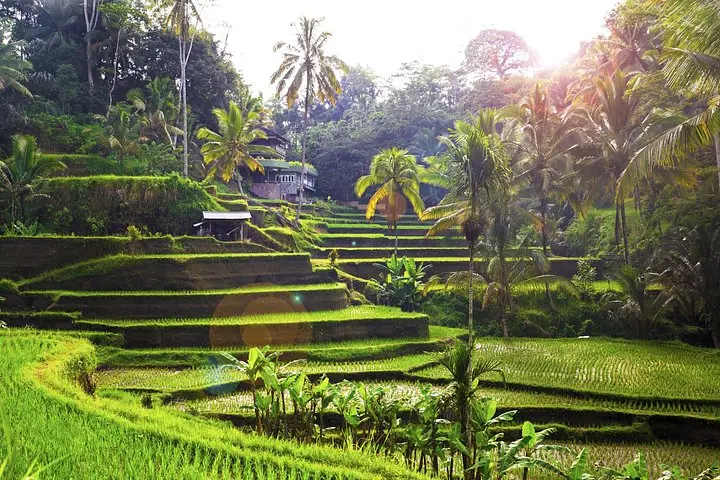
A humid morning in Ubud begins with the soft clack of a van door and the rumble of an engine cutting through rice paddy air. The route climbs out of town and the view opens: stepped green shelves climb the hillsides at Tegalalang, each terrace rimmed by ankle-height irrigation channels and the occasional farmer bent over seedlings. Visitors mill along narrow earthen paths while distant roosters challenge the day.
Verified experiences and guided adventures in the surrounding area.
Operated by Bali Lovina Tours · Ubud, Bali
A humid morning in Ubud begins with the soft clack of a van door and the rumble of an engine cutting through rice paddy air. The route climbs out of town and the view opens: stepped green shelves climb the hillsides at Tegalalang, each terrace rimmed by ankle-height irrigation channels and the occasional farmer bent over seedlings. Visitors mill along narrow earthen paths while distant roosters challenge the day.
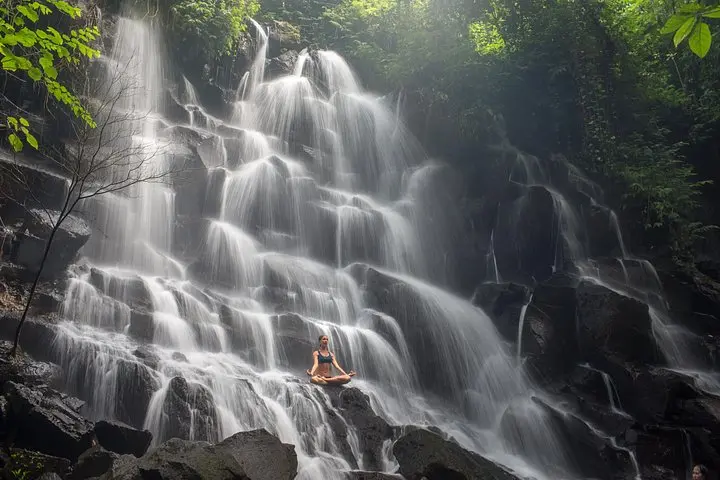
This full-day loop—roughly six to eight hours on the road and on foot—moves from the agricultural theater of Tegalalang to the ritual pools of Tirta Empul, then deeper into the island’s forested spine for two waterfalls: Tibumana and Kanto Lampo. The itinerary stitches landscape and culture: Bali’s volcanic soils and central highlands feed the streams that carve these falls, while centuries-old water-management systems support the rice below.
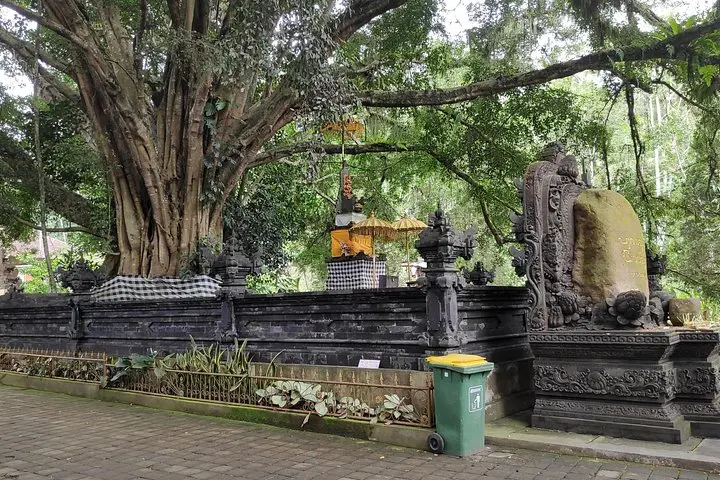
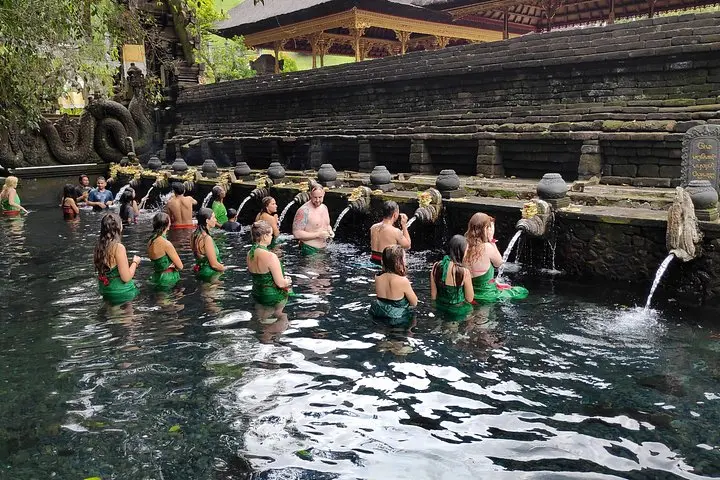
Tegalalang’s rice steps are part of Bali’s living Subak system, a cooperative irrigation tradition that shaped social and spiritual life for generations. At Tirta Empul, stone basins and spigots channel spring water into ritual baths where Balinese worshippers perform melukat purification—an expression of religion and respect for water as life. The waterfalls that follow are geological punctuation marks: rivers descending the caldera-fed highlands, plunging over ridges into plunge pools ringed by ferns and smooth rock.
Expect short, sometimes steep paths: Tegalalang involves dozens of narrow steps and muddy ruts in wet weather; both waterfall access points require footing over slick stones and occasional low scrambles. Guides typically allow an hour at Tegalalang and Tirta Empul each, and about 90 minutes at each waterfall—enough for swimming, photos, and a slow lunch.
Practicalities matter. The tour includes hotel pickup and entrance fees; sarongs are provided for temple visits, but bring a towel and swimsuit if you plan to swim. Wear sturdy sandals or quick-dry trail shoes, and pack insect repellent and reef-safe sunscreen. Carry a small dry bag for electronics—waterfall mist is relentless. Cash is useful for small donations, fresh coconut stops, and local snacks.
Timing is everything: leaving Ubud early keeps Tegalalang and Tirta Empul quieter and cooler. If you’re after photography, aim for soft morning light at the terraces and late afternoon at Kanto Lampo for its tiered cascades. Finally, be mindful of local customs at sacred sites—observe quietly, follow guide directions, and respect natural areas by taking any litter with you.
For travelers who want an accessible day blending active walks, cultural ritual, and splash-worthy swimming holes, this circuit is a compact primer on Bali’s landscapes and the island’s enduring relationship with water.
Yes—pickup and drop-off in Ubud hotels are included; confirm your pickup point when booking.
Yes—both Tibumana and Kanto Lampo have pools suitable for swimming, but always check local conditions and follow your guide’s safety advice.
Not necessary—the tour provides sarongs for Tirta Empul, but modest clothing is recommended underneath.
Entrance fees are included; lunch is often not included—check the tour details or bring cash for a local meal en route.
Generally yes—the schedule involves short walks and rests, but it’s not recommended for those with serious mobility issues or recent spinal injuries per supplier notes.
The operator may cancel for heavy rain or unsafe conditions; full refunds apply if canceled at least 24 hours prior.
Bali Lovina Tours operates guided outdoor trips and adventures with an emphasis on safety, stewardship, and memorable experiences.
A humid morning in Ubud begins with the soft clack of a van door and the rumble of an engine cutting through rice paddy air. The route climbs out of town and the view opens: stepped green shelves climb the hillsides at Tegalalang, each terrace rimmed by ankle-height irrigation channels and the occasional farmer bent over seedlings. Visitors mill along narrow earthen paths while distant roosters challenge the day.
A humid morning in Ubud begins with the soft clack of a van door and the rumble of an engine cutting through rice paddy air. The route climbs out of town and the view opens: stepped green shelves climb the hillsides at Tegalalang, each terrace rimmed by ankle-height irrigation channels and the occasional farmer bent over seedlings. Visitors mill along narrow earthen paths while distant roosters challenge the day.
This full-day loop—roughly six to eight hours on the road and on foot—moves from the agricultural theater of Tegalalang to the ritual pools of Tirta Empul, then deeper into the island’s forested spine for two waterfalls: Tibumana and Kanto Lampo. The itinerary stitches landscape and culture: Bali’s volcanic soils and central highlands feed the streams that carve these falls, while centuries-old water-management systems support the rice below.
Tegalalang’s rice steps are part of Bali’s living Subak system, a cooperative irrigation tradition that shaped social and spiritual life for generations. At Tirta Empul, stone basins and spigots channel spring water into ritual baths where Balinese worshippers perform melukat purification—an expression of religion and respect for water as life. The waterfalls that follow are geological punctuation marks: rivers descending the caldera-fed highlands, plunging over ridges into plunge pools ringed by ferns and smooth rock.
Expect short, sometimes steep paths: Tegalalang involves dozens of narrow steps and muddy ruts in wet weather; both waterfall access points require footing over slick stones and occasional low scrambles. Guides typically allow an hour at Tegalalang and Tirta Empul each, and about 90 minutes at each waterfall—enough for swimming, photos, and a slow lunch.
Practicalities matter. The tour includes hotel pickup and entrance fees; sarongs are provided for temple visits, but bring a towel and swimsuit if you plan to swim. Wear sturdy sandals or quick-dry trail shoes, and pack insect repellent and reef-safe sunscreen. Carry a small dry bag for electronics—waterfall mist is relentless. Cash is useful for small donations, fresh coconut stops, and local snacks.
Timing is everything: leaving Ubud early keeps Tegalalang and Tirta Empul quieter and cooler. If you’re after photography, aim for soft morning light at the terraces and late afternoon at Kanto Lampo for its tiered cascades. Finally, be mindful of local customs at sacred sites—observe quietly, follow guide directions, and respect natural areas by taking any litter with you.
For travelers who want an accessible day blending active walks, cultural ritual, and splash-worthy swimming holes, this circuit is a compact primer on Bali’s landscapes and the island’s enduring relationship with water.