THE ADVENTURE COLLECTIVE® · Independent discovery and booking for outdoor travel

Experience a Balinese melukat purification and shamanic healing at Pura Mengening: a cool spring ritual led by a balian that combines holy water, chants, and herbal remedies. Learn what to expect and how to prepare for this culturally rich, low-impact ceremony.
Experience a Balinese melukat purification and shamanic healing at Pura Mengening: a cool spring ritual led by a balian that combines holy water, chants, and herbal remedies. Learn what to expect and how to prepare for this culturally rich, low-impact ceremony.
You arrive before dawn and the compound is already cooling from the night; stone steps glisten and the spring water runs with a steady, deliberate voice that seems to judge your haste. Chanting drifts from a group of practitioners while a balian — the traditional healer — prepares herbal offerings and sacred implements. The air smells of incense and frangipani; the pools reflect a grey-blue sky as morning light brushes the surrounding terrace rice paddies.
Verified experiences and guided adventures in the surrounding area.
Operated by Bali Tour Information · Ubud, Bali
You arrive before dawn and the compound is already cooling from the night; stone steps glisten and the spring water runs with a steady, deliberate voice that seems to judge your haste. Chanting drifts from a group of practitioners while a balian — the traditional healer — prepares herbal offerings and sacred implements. The air smells of incense and frangipani; the pools reflect a grey-blue sky as morning light brushes the surrounding terrace rice paddies.
Melukat, the holy water purification, has been part of Balinese Hindu practice for centuries. Pura Mengening sits in a limestone-and-volcanic landscape where groundwater surfaces in natural springs; locals have drawn tirtha (holy water) here since medieval times to cleanse, bless, and reset. The shamanic healing elements combine animist touchstones and Hindu ritual: chants, mantras, herbal compresses, and focused intention to balance physical and subtle energies.
Culturally, the ritual is a communal and highly codified practice — offerings, gender-separated bathing pools, and a pace that rewards quiet attention. Geologically the water feels cool because it’s fed by perched aquifers that run off Bali’s central highlands, giving the pools clarity and that distinctive chill.
Practically: bookings are flexible (1–6 hours depending on inclusions), and the experience is low-impact physically but rich in sensory detail. Wear modest, quick-dry clothing and bring a sarong and sash (often provided), towel, and a change of clothes. Go early to avoid crowds, follow the balian’s instructions exactly, and avoid photographing private rites without permission. Hydrate beforehand and notify the provider of any heart or mobility concerns — the ritual involves standing, bathing, and prayer rather than strenuous activity.
No; visitors can respectfully participate. The ritual is open to non-Hindus when guided by the balian, but follow all instructions and temple rules.
Photography is often restricted during private rituals and when people are bathing—always ask the guide or balian first.
Participants typically wear a sarong and sometimes an inner garment; you’ll be instructed on how to perform the cleansing according to local custom.
Children can participate but infants should be kept close; check with the operator about age guidelines and parental supervision requirements.
Bali Tour Information operates guided outdoor trips and adventures with an emphasis on safety, stewardship, and memorable experiences.
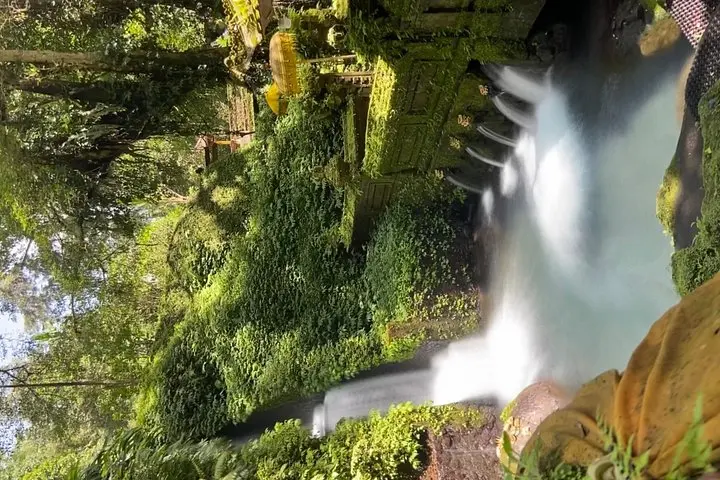
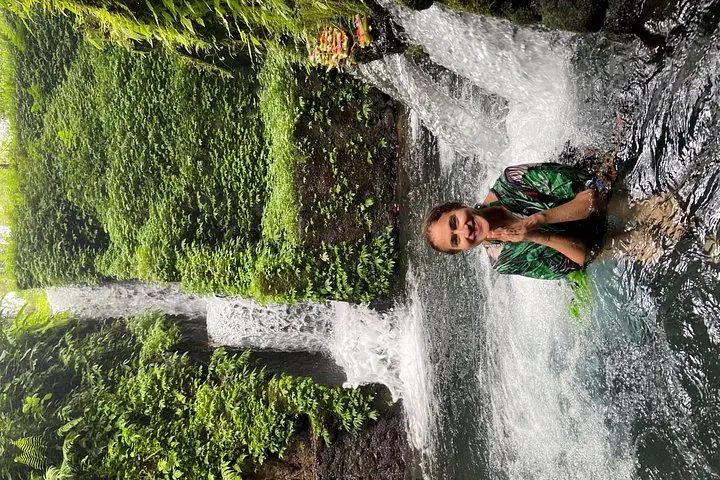
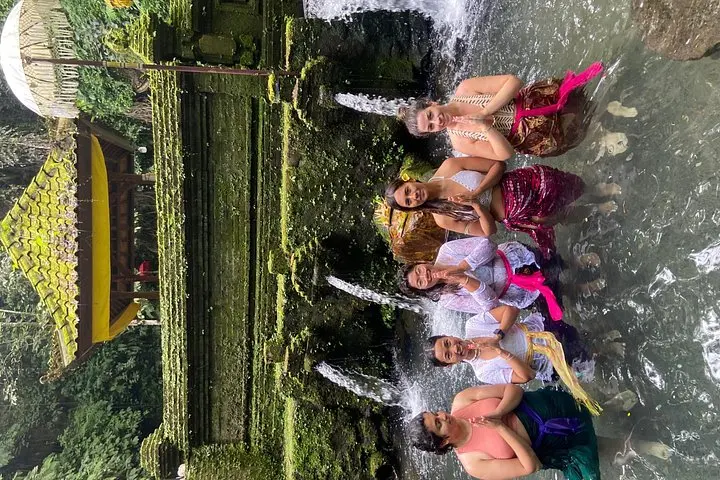
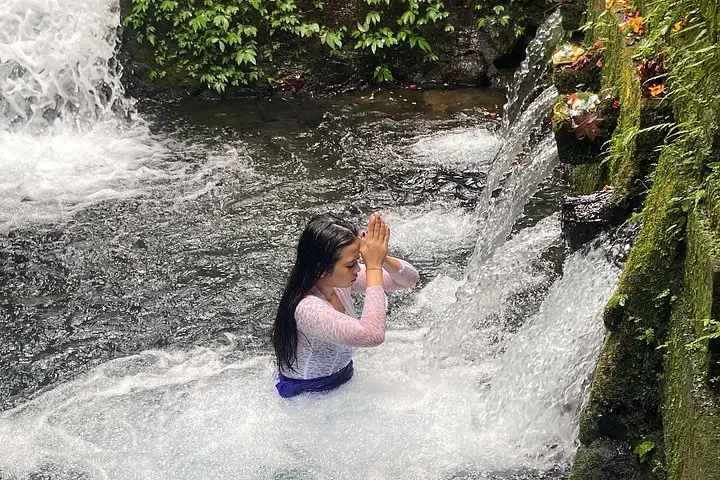
You arrive before dawn and the compound is already cooling from the night; stone steps glisten and the spring water runs with a steady, deliberate voice that seems to judge your haste. Chanting drifts from a group of practitioners while a balian — the traditional healer — prepares herbal offerings and sacred implements. The air smells of incense and frangipani; the pools reflect a grey-blue sky as morning light brushes the surrounding terrace rice paddies.
You arrive before dawn and the compound is already cooling from the night; stone steps glisten and the spring water runs with a steady, deliberate voice that seems to judge your haste. Chanting drifts from a group of practitioners while a balian — the traditional healer — prepares herbal offerings and sacred implements. The air smells of incense and frangipani; the pools reflect a grey-blue sky as morning light brushes the surrounding terrace rice paddies.
Melukat, the holy water purification, has been part of Balinese Hindu practice for centuries. Pura Mengening sits in a limestone-and-volcanic landscape where groundwater surfaces in natural springs; locals have drawn tirtha (holy water) here since medieval times to cleanse, bless, and reset. The shamanic healing elements combine animist touchstones and Hindu ritual: chants, mantras, herbal compresses, and focused intention to balance physical and subtle energies.
Culturally, the ritual is a communal and highly codified practice — offerings, gender-separated bathing pools, and a pace that rewards quiet attention. Geologically the water feels cool because it’s fed by perched aquifers that run off Bali’s central highlands, giving the pools clarity and that distinctive chill.
Practically: bookings are flexible (1–6 hours depending on inclusions), and the experience is low-impact physically but rich in sensory detail. Wear modest, quick-dry clothing and bring a sarong and sash (often provided), towel, and a change of clothes. Go early to avoid crowds, follow the balian’s instructions exactly, and avoid photographing private rites without permission. Hydrate beforehand and notify the provider of any heart or mobility concerns — the ritual involves standing, bathing, and prayer rather than strenuous activity.