THE ADVENTURE COLLECTIVE® · Independent discovery and booking for outdoor travel

Visit a family-run stingless bee farm near Ubud to learn traditional beekeeping, taste raw stingless honey, and finish at the sacred spring of Beji Taman Mumbul. This 4–5 hour private tour pairs hands-on learning with cultural insight.
Visit a family-run stingless bee farm near Ubud to learn traditional beekeeping, taste raw stingless honey, and finish at the sacred spring of Beji Taman Mumbul. This 4–5 hour private tour pairs hands-on learning with cultural insight.
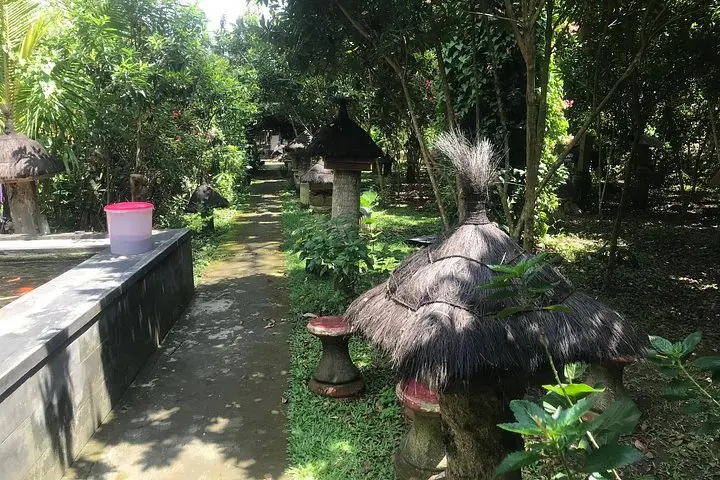
The morning light in a Balinese valley slides across banana leaves and makes the small log hives glow like amber. You stand on compacted earth, guided by a local beekeeper whose hands move confident and careful around tiny, stingless bees — Trigona species that hum with a different tempo than European honeybees.
Verified experiences and guided adventures in the surrounding area.
Operated by Bali Yowana Tour · Ubud, Bali
The morning light in a Balinese valley slides across banana leaves and makes the small log hives glow like amber. You stand on compacted earth, guided by a local beekeeper whose hands move confident and careful around tiny, stingless bees — Trigona species that hum with a different tempo than European honeybees.
Beekeeping on Bali has roots in village agroforestry: families integrate bee trees, fruit orchards, and small plots so pollinators sustain food crops. The geology here is volcanic—rich soils fed by Mount Agung’s ancient eruptions—so the honey carries floral minerals unique to the island. A short drive later brings you to Beji Taman Mumbul, a sacred spring where limestone caves feed clear pools used for ritual cleansing; it’s as much cultural landscape as it is natural feature.
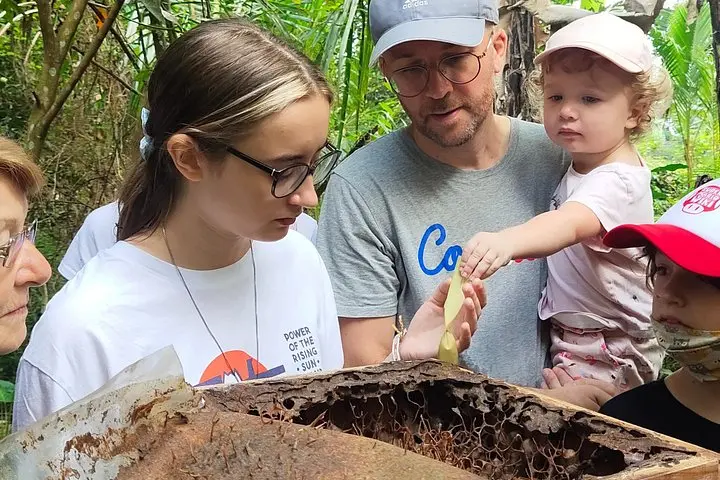
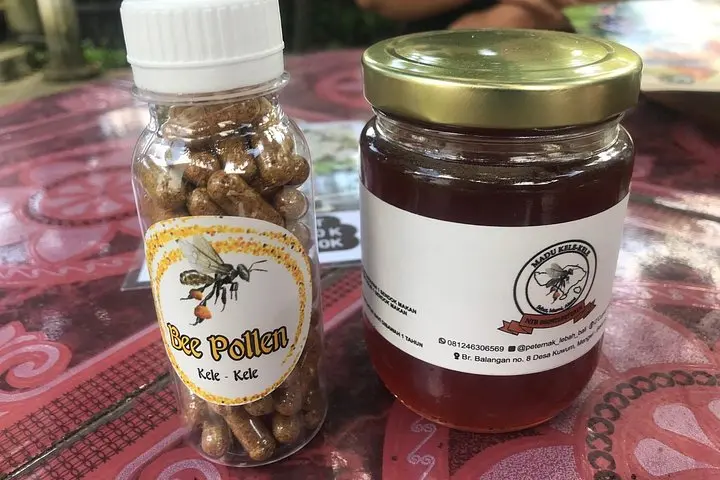
Expect hands-on demonstrations: transferring stingless colonies from hollow logs to man-made hives, a talk on ideal forage plants, and a chance to taste honey straight from the pot — markedly floral, thin-bodied, and high in antioxidants. The visit combines nature interpretation with local tradition, including commentary on temple etiquette at the spring.
Practical guidance: tours run about 4–5 hours with hotel pickup in Ubud, light walking on farm tracks, and some standing during demos. Wear closed-toe shoes, bring sun protection and a refillable bottle, and plan for mornings when bee activity and water clarity are best. Respect temple rules at Beji Taman Mumbul — sarongs or modest clothing may be required — and buy honey at the farm to support small-scale stewardship.
Yes — Trigona (stingless) bees cannot sting and are generally non-aggressive; your guide will still demonstrate safe handling and ask you to avoid sudden movements.
Yes — tasting honey straight from the hive is part of the experience and small-batch honey is usually available for purchase at the farm.
Yes — the tour includes private hotel pickup and drop-off in the Ubud area in an air-conditioned vehicle.
The tour is family-friendly with light activity; infants and those needing assistance can typically join but mention requirements at booking.
Bali Yowana Tour operates guided outdoor trips and adventures with an emphasis on safety, stewardship, and memorable experiences.
The morning light in a Balinese valley slides across banana leaves and makes the small log hives glow like amber. You stand on compacted earth, guided by a local beekeeper whose hands move confident and careful around tiny, stingless bees — Trigona species that hum with a different tempo than European honeybees.
The morning light in a Balinese valley slides across banana leaves and makes the small log hives glow like amber. You stand on compacted earth, guided by a local beekeeper whose hands move confident and careful around tiny, stingless bees — Trigona species that hum with a different tempo than European honeybees.
Beekeeping on Bali has roots in village agroforestry: families integrate bee trees, fruit orchards, and small plots so pollinators sustain food crops. The geology here is volcanic—rich soils fed by Mount Agung’s ancient eruptions—so the honey carries floral minerals unique to the island. A short drive later brings you to Beji Taman Mumbul, a sacred spring where limestone caves feed clear pools used for ritual cleansing; it’s as much cultural landscape as it is natural feature.
Expect hands-on demonstrations: transferring stingless colonies from hollow logs to man-made hives, a talk on ideal forage plants, and a chance to taste honey straight from the pot — markedly floral, thin-bodied, and high in antioxidants. The visit combines nature interpretation with local tradition, including commentary on temple etiquette at the spring.
Practical guidance: tours run about 4–5 hours with hotel pickup in Ubud, light walking on farm tracks, and some standing during demos. Wear closed-toe shoes, bring sun protection and a refillable bottle, and plan for mornings when bee activity and water clarity are best. Respect temple rules at Beji Taman Mumbul — sarongs or modest clothing may be required — and buy honey at the farm to support small-scale stewardship.