THE ADVENTURE COLLECTIVE® · Independent discovery and booking for outdoor travel

Experience Ubud on foot with a 2.5–4 hour guided walk that visits Gunung Lebah Temple, Campuhan Ridge, Puri Saren Palace and Puri Lukisan Museum. This compact tour blends history, art and easy hiking with multilingual guides.
Experience Ubud on foot with a 2.5–4 hour guided walk that visits Gunung Lebah Temple, Campuhan Ridge, Puri Saren Palace and Puri Lukisan Museum. This compact tour blends history, art and easy hiking with multilingual guides.
Dawn on Ubud’s narrow streets feels deliberate: rice terraces breathe mist, motorbikes thread between warungs, and a local guide waits near the IBAH Hotel to lead a compact, 2.5–4 hour portrait of the town.
Verified experiences and guided adventures in the surrounding area.
Operated by Telaga Waja River Rafting · Ubud, Bali
Dawn on Ubud’s narrow streets feels deliberate: rice terraces breathe mist, motorbikes thread between warungs, and a local guide waits near the IBAH Hotel to lead a compact, 2.5–4 hour portrait of the town.
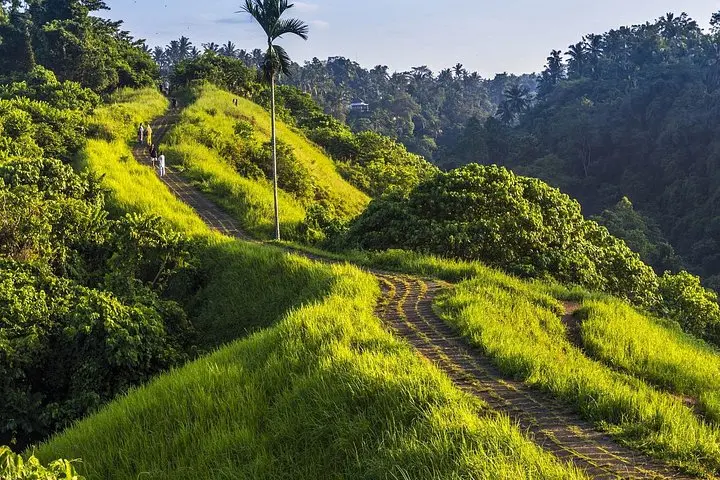
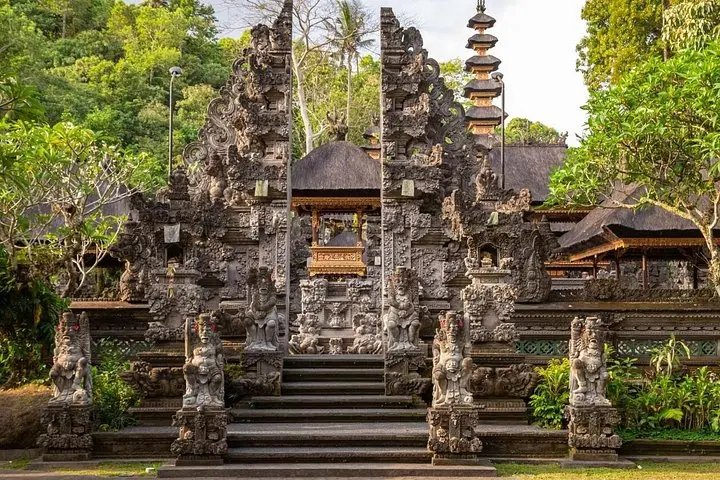
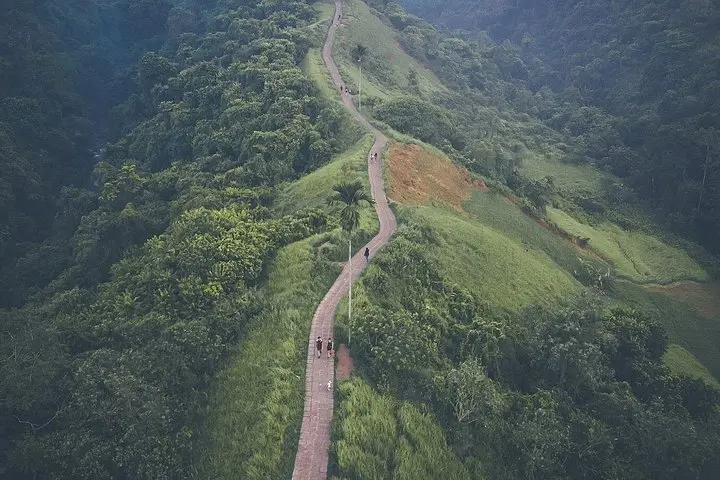
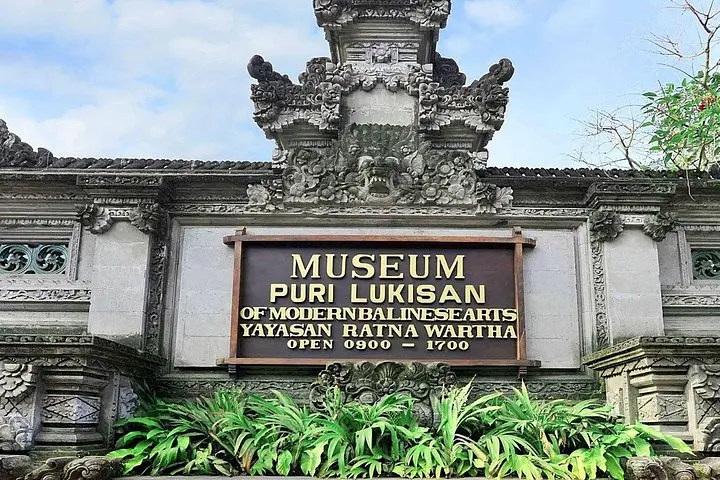
The walk stitches together Ubud’s layers—Gunung Lebah Temple, a spiritual anchor linked to the 8th-century priest Rsi Markandeya; the ridge’s limestone spine at Campuhan where footpaths ride the valley’s edge; Puri Saren Agung, the royal palace that shapes Ubud’s living performing-arts calendar; and Museum Puri Lukisan, which traces Bali’s modern and traditional painting schools.
Geology and culture converge on the ridge: lateritic soils and river-carved valleys create the lush slopes that fed Ubud’s rice economy and artistic community. Along narrow alleys guests will see woodcarvers’ houses (Lempad House nearby) and open-air shrines—small ceremonies and offerings can appear without warning, so quiet observation matters.
Practical guidance is straightforward. Expect 3–4 hours with 10–15 people, light uphill sections and stair climbs on paved sidewalks and dirt paths. Tours run morning (08:30) and afternoon (14:00) with English, Spanish or Japanese guides on set days; heavy rain can prompt rescheduling. Wear sturdy walking shoes, carry water and sun protection, and plan for modest temple attire (shoulders and knees covered). The route suits moderately fit travelers who can manage stairs and uneven ground. Keep to the path, respect ceremonies, and bring a camera for golden-hour ridge views—Ubud rewards slow, observant travel.
The exact meeting point (near IBAH Hotel or a nearby hotel gate) is emailed after booking; arrive 10 minutes early.
English tours run most days; Spanish-speaking guides operate on Saturday and Monday, and Japanese guides on select days—check times when booking.
Children who can walk stairs are welcome; the tour is not recommended for travelers with significant spinal, heart, or mobility problems due to stairs and uneven terrain.
Tours run in light rain but will be rescheduled or refunded if heavy rain makes the route unsafe; cancel at least 24 hours for a full refund per the supplier policy.
Telaga Waja River Rafting operates guided outdoor trips and adventures with an emphasis on safety, stewardship, and memorable experiences.
Dawn on Ubud’s narrow streets feels deliberate: rice terraces breathe mist, motorbikes thread between warungs, and a local guide waits near the IBAH Hotel to lead a compact, 2.5–4 hour portrait of the town.
Dawn on Ubud’s narrow streets feels deliberate: rice terraces breathe mist, motorbikes thread between warungs, and a local guide waits near the IBAH Hotel to lead a compact, 2.5–4 hour portrait of the town.
The walk stitches together Ubud’s layers—Gunung Lebah Temple, a spiritual anchor linked to the 8th-century priest Rsi Markandeya; the ridge’s limestone spine at Campuhan where footpaths ride the valley’s edge; Puri Saren Agung, the royal palace that shapes Ubud’s living performing-arts calendar; and Museum Puri Lukisan, which traces Bali’s modern and traditional painting schools.
Geology and culture converge on the ridge: lateritic soils and river-carved valleys create the lush slopes that fed Ubud’s rice economy and artistic community. Along narrow alleys guests will see woodcarvers’ houses (Lempad House nearby) and open-air shrines—small ceremonies and offerings can appear without warning, so quiet observation matters.
Practical guidance is straightforward. Expect 3–4 hours with 10–15 people, light uphill sections and stair climbs on paved sidewalks and dirt paths. Tours run morning (08:30) and afternoon (14:00) with English, Spanish or Japanese guides on set days; heavy rain can prompt rescheduling. Wear sturdy walking shoes, carry water and sun protection, and plan for modest temple attire (shoulders and knees covered). The route suits moderately fit travelers who can manage stairs and uneven ground. Keep to the path, respect ceremonies, and bring a camera for golden-hour ridge views—Ubud rewards slow, observant travel.