THE ADVENTURE COLLECTIVE® · Independent discovery and booking for outdoor travel

Spend a full day with a private driver exploring Ubud’s best natural and cultural sites—from the carved steps of Tegalalang rice terraces to the holy pools of Tirta Empul and two distinctive waterfalls. This flexible 8–10 hour route blends short walks, photo stops, and local insights.
Spend a full day with a private driver exploring Ubud’s best natural and cultural sites—from the carved steps of Tegalalang rice terraces to the holy pools of Tirta Empul and two distinctive waterfalls. This flexible 8–10 hour route blends short walks, photo stops, and local insights.
Morning light carves the ridgelines above central Bali as the driver eases a cool, air-conditioned van out of Ubud. The road narrows, palms leaning like quiet onlookers, and the first stop—Tegalalang Rice Terrace—opens like a layered map of emerald steps. Travelers step down onto narrow footpaths, rice paddies dipping away on either side; the soft cluck of village chickens and the distant chant from a morning temple service set the rhythm.
Verified experiences and guided adventures in the surrounding area.
Operated by Deft Bali Tours · Ubud, Bali
Morning light carves the ridgelines above central Bali as the driver eases a cool, air-conditioned van out of Ubud. The road narrows, palms leaning like quiet onlookers, and the first stop—Tegalalang Rice Terrace—opens like a layered map of emerald steps. Travelers step down onto narrow footpaths, rice paddies dipping away on either side; the soft cluck of village chickens and the distant chant from a morning temple service set the rhythm.
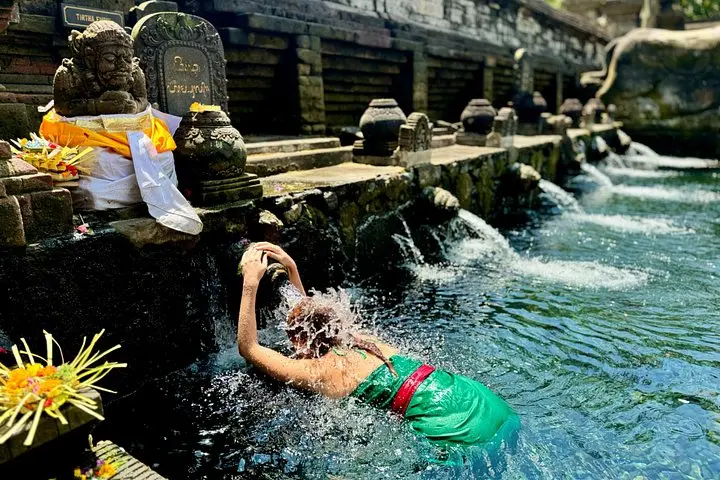
This private-car itinerary strings together accessible highlights around Ubud: the Subak rice terraces of Tegalalang, the purification pools of Tirta Empul at Tampaksiring, and two waterfalls—Tibumana and Kanto Lampo—each with a different personality. The rice terraces are part of a centuries-old irrigation tradition, the Subak system, an agricultural commons that helped shape Bali’s social and spiritual life and is recognized by UNESCO for its cultural importance. Tirta Empul dates to the 10th century and remains a living ritual site: pilgrims enter a stone-lined pool to wash beneath a series of spouts fed by a sacred spring.
Geologically, central Bali is folded volcanic highland. Streams carved by seasonal rains have cut gullies where waterfalls gather force, then spill into plunge pools ringed by ferns and basalt rock. The cascade at Tibumana drops roughly 20 meters into a shaded bowl; Kanto Lampo is shallower but photogenic, with water fanning across terraced rock. Local guides—often the drivers themselves—point out details: rice planted along contour lines, shrine offerings perched on low walls, and small irrigation gates that regulate flow.
This tour is pragmatic and flexible: expect 8–10 hours door-to-door, with roughly 4–5 hours at attractions. Most stops involve 10–30 minutes of flat-to-stepped walking; some waterfall approaches include uneven trails and short stairways.
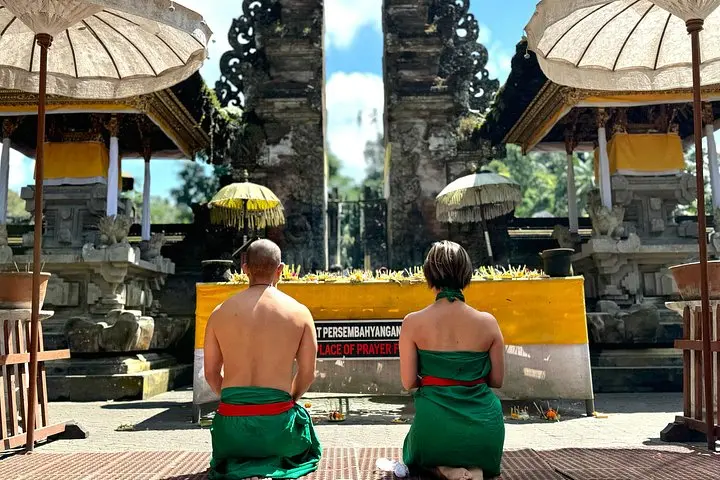
Practical tips: schedule the day early to avoid midafternoon traffic and stronger sun; bring a small towel and swimwear if you plan to wade at a waterfall. Respect temple etiquette at Tirta Empul—sarongs are often required and may be rented on site. Wear sturdy sandals or light hiking shoes for muddy paths and bring reusable water; local villages have small warungs where you can buy snacks and contribute directly to the community.
Because this is a private tour, requests can be tailored: linger longer at a viewpoint, add a coffee plantation stop, or ask for a local lunch in a family warung. The route moves at a relaxed pace, letting the landscape—rice, rock, and ritual—do most of the talking while a knowledgeable local driver handles logistics.
The tour runs about 8–10 hours total, including travel time; expect 4–5 hours actually spent at attractions.
Admission to listed attractions is included per the itinerary, but small local fees or donations at some temples or waterfalls may be extra.
Yes—this is a private tour and the driver/guide can adjust stops, timing, and add small local sites on request.
Yes—covering knees and shoulders is required; sarongs and sashes can be rented at the temple if you don’t have one.
At Tibumana swimming in the pool is common; always check current conditions and avoid swimming after heavy rain due to strong currents.
Generally yes, but travelers should be comfortable with stepping paths and brief hikes; inform the operator of mobility needs so pickup and stops can be planned.
Deft Bali Tours operates guided outdoor trips and adventures with an emphasis on safety, stewardship, and memorable experiences.
Morning light carves the ridgelines above central Bali as the driver eases a cool, air-conditioned van out of Ubud. The road narrows, palms leaning like quiet onlookers, and the first stop—Tegalalang Rice Terrace—opens like a layered map of emerald steps. Travelers step down onto narrow footpaths, rice paddies dipping away on either side; the soft cluck of village chickens and the distant chant from a morning temple service set the rhythm.
Morning light carves the ridgelines above central Bali as the driver eases a cool, air-conditioned van out of Ubud. The road narrows, palms leaning like quiet onlookers, and the first stop—Tegalalang Rice Terrace—opens like a layered map of emerald steps. Travelers step down onto narrow footpaths, rice paddies dipping away on either side; the soft cluck of village chickens and the distant chant from a morning temple service set the rhythm.
This private-car itinerary strings together accessible highlights around Ubud: the Subak rice terraces of Tegalalang, the purification pools of Tirta Empul at Tampaksiring, and two waterfalls—Tibumana and Kanto Lampo—each with a different personality. The rice terraces are part of a centuries-old irrigation tradition, the Subak system, an agricultural commons that helped shape Bali’s social and spiritual life and is recognized by UNESCO for its cultural importance. Tirta Empul dates to the 10th century and remains a living ritual site: pilgrims enter a stone-lined pool to wash beneath a series of spouts fed by a sacred spring.
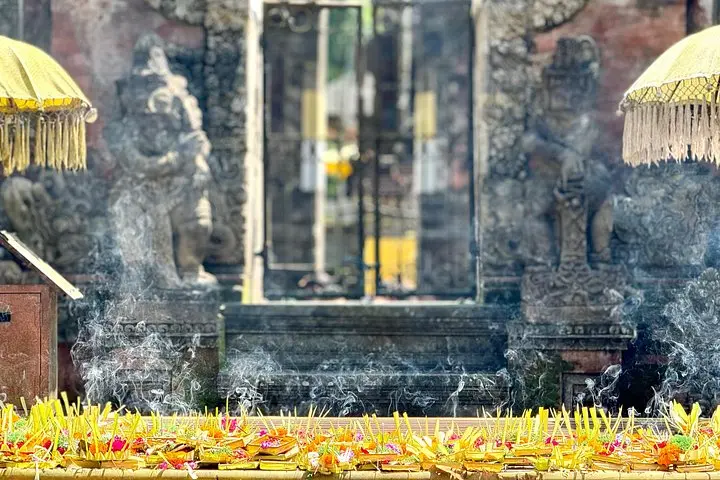
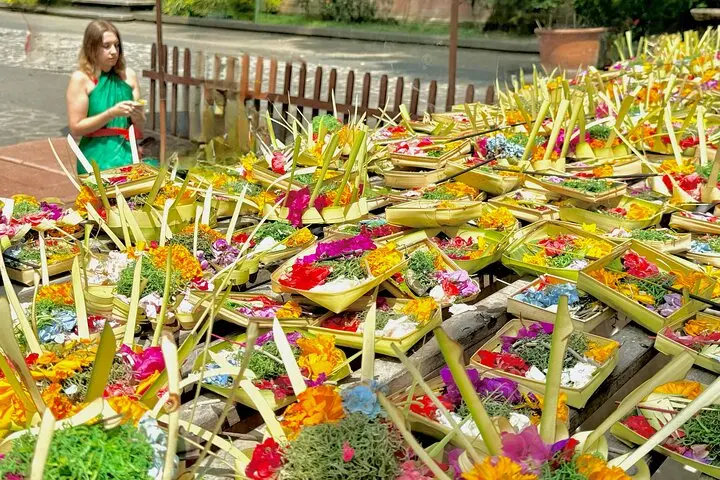
Geologically, central Bali is folded volcanic highland. Streams carved by seasonal rains have cut gullies where waterfalls gather force, then spill into plunge pools ringed by ferns and basalt rock. The cascade at Tibumana drops roughly 20 meters into a shaded bowl; Kanto Lampo is shallower but photogenic, with water fanning across terraced rock. Local guides—often the drivers themselves—point out details: rice planted along contour lines, shrine offerings perched on low walls, and small irrigation gates that regulate flow.
This tour is pragmatic and flexible: expect 8–10 hours door-to-door, with roughly 4–5 hours at attractions. Most stops involve 10–30 minutes of flat-to-stepped walking; some waterfall approaches include uneven trails and short stairways.
Practical tips: schedule the day early to avoid midafternoon traffic and stronger sun; bring a small towel and swimwear if you plan to wade at a waterfall. Respect temple etiquette at Tirta Empul—sarongs are often required and may be rented on site. Wear sturdy sandals or light hiking shoes for muddy paths and bring reusable water; local villages have small warungs where you can buy snacks and contribute directly to the community.
Because this is a private tour, requests can be tailored: linger longer at a viewpoint, add a coffee plantation stop, or ask for a local lunch in a family warung. The route moves at a relaxed pace, letting the landscape—rice, rock, and ritual—do most of the talking while a knowledgeable local driver handles logistics.