THE ADVENTURE COLLECTIVE® · Independent discovery and booking for outdoor travel

See Ubud’s monkey-filled groves, terraced rice fields, sacred springs and a volcanic caldera in one full-day route. This practical guide outlines what to expect on the popular Ubud–Kintamani circuit and how to prepare for temple etiquette, short hikes and variable weather.
See Ubud’s monkey-filled groves, terraced rice fields, sacred springs and a volcanic caldera in one full-day route. This practical guide outlines what to expect on the popular Ubud–Kintamani circuit and how to prepare for temple etiquette, short hikes and variable weather.
Morning light on a narrow Balinese lane feels like a gentle nudge — smoke from offerings curls upward, coconut vendors wheel past, and the driver eases the air‑conditioned vehicle toward the Monkey Forest. On this full‑day route from Ubud to Kintamani, visitors move from shaded temple courtyards to cliffside rice terraces and a volcanic caldera vista that frames Lake Batur.
Verified experiences and guided adventures in the surrounding area.
Operated by Telaga Waja Rafting Bali · Ubud, Bali
Morning light on a narrow Balinese lane feels like a gentle nudge — smoke from offerings curls upward, coconut vendors wheel past, and the driver eases the air‑conditioned vehicle toward the Monkey Forest. On this full‑day route from Ubud to Kintamani, visitors move from shaded temple courtyards to cliffside rice terraces and a volcanic caldera vista that frames Lake Batur.
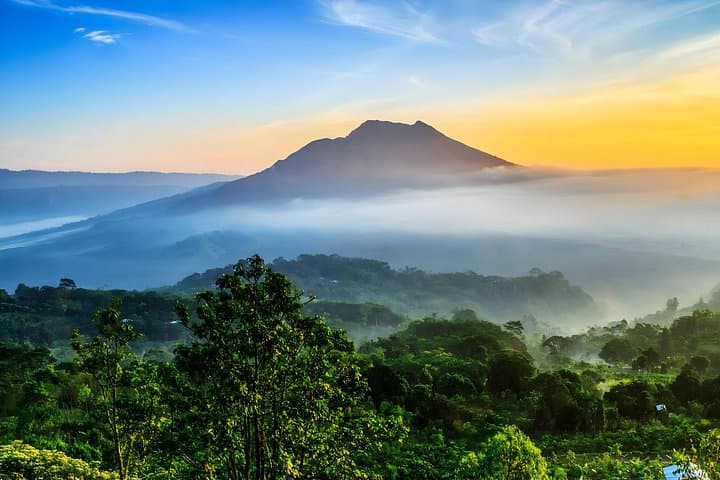
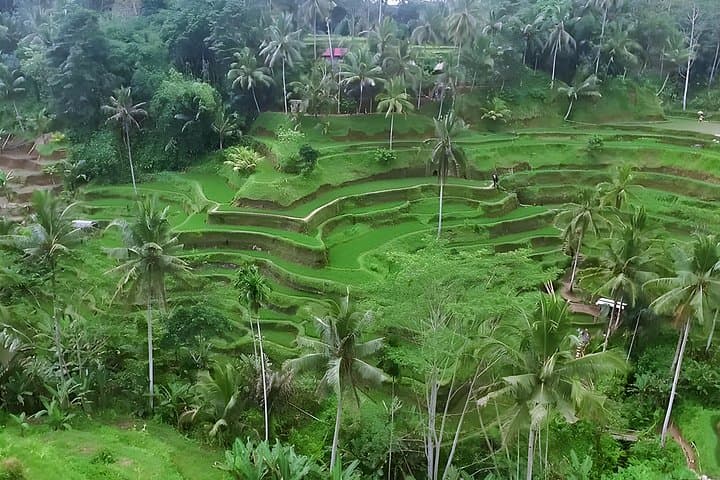
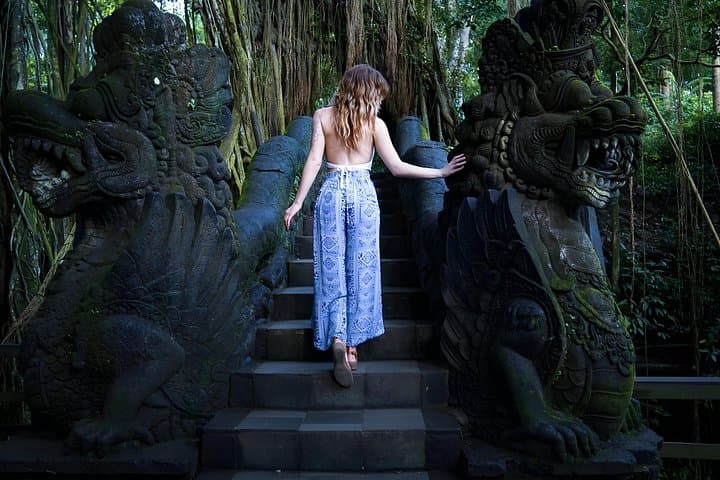
The itinerary threads through Balinese history and geology: Ubud Palace speaks to royal patronage and dance traditions; Tirta Empul's spring is a center of Hindu purification rituals; the terraced fields of Tegalalang are shaped by the Subak irrigation system that has managed water for centuries; and Kintamani sits on the rim of Mount Batur’s caldera, an active volcano whose last major eruption reshaped the lake basin. Culture is present in small details — offerings, carved gateposts, and farmers still tending paddies by hand.
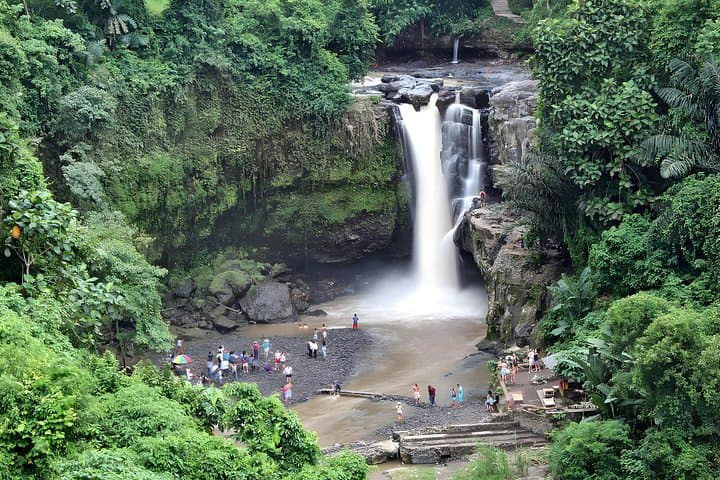
Expect short walks and some stairs at waterfalls and temple grounds, plus a 30–60 minute viewpoint stop at Kintamani where cooler air and panoramic light reward the climb of a few steps. Tegenungan’s descent to the pool involves uneven stone steps; Tirta Empul requires modest dress and a willingness to observe local rituals.
Practical notes: bring sunscreen, a towel and change of clothes if you plan to swim, and modest clothing for temples. Hydrate between stops; traffic in Bali can extend transit times. This tour is best for travelers who want a compact introduction to central Bali’s natural and cultural highlights without overnight trekking.
Most standard entrance tickets for the listed attractions are included; confirm at booking for any optional extras.
Yes — the tour is considered easy, but children and older visitors should prepare for stairs and vehicle time; inform the operator of mobility needs.
Bring small cash for vendor purchases, tips, and optional local items; many restaurants accept cards but smaller stalls are cash-only.
No — this tour stops at the Kintamani viewpoint overlooking Mount Batur and Lake Batur rather than a crater hike, which requires a separate early-morning trek.
Telaga Waja Rafting Bali operates guided outdoor trips and adventures with an emphasis on safety, stewardship, and memorable experiences.
Morning light on a narrow Balinese lane feels like a gentle nudge — smoke from offerings curls upward, coconut vendors wheel past, and the driver eases the air‑conditioned vehicle toward the Monkey Forest. On this full‑day route from Ubud to Kintamani, visitors move from shaded temple courtyards to cliffside rice terraces and a volcanic caldera vista that frames Lake Batur.
Morning light on a narrow Balinese lane feels like a gentle nudge — smoke from offerings curls upward, coconut vendors wheel past, and the driver eases the air‑conditioned vehicle toward the Monkey Forest. On this full‑day route from Ubud to Kintamani, visitors move from shaded temple courtyards to cliffside rice terraces and a volcanic caldera vista that frames Lake Batur.
The itinerary threads through Balinese history and geology: Ubud Palace speaks to royal patronage and dance traditions; Tirta Empul's spring is a center of Hindu purification rituals; the terraced fields of Tegalalang are shaped by the Subak irrigation system that has managed water for centuries; and Kintamani sits on the rim of Mount Batur’s caldera, an active volcano whose last major eruption reshaped the lake basin. Culture is present in small details — offerings, carved gateposts, and farmers still tending paddies by hand.
Expect short walks and some stairs at waterfalls and temple grounds, plus a 30–60 minute viewpoint stop at Kintamani where cooler air and panoramic light reward the climb of a few steps. Tegenungan’s descent to the pool involves uneven stone steps; Tirta Empul requires modest dress and a willingness to observe local rituals.
Practical notes: bring sunscreen, a towel and change of clothes if you plan to swim, and modest clothing for temples. Hydrate between stops; traffic in Bali can extend transit times. This tour is best for travelers who want a compact introduction to central Bali’s natural and cultural highlights without overnight trekking.