THE ADVENTURE COLLECTIVE® · Independent discovery and booking for outdoor travel

A private full-day loop from Ubud that pairs artisan villages and palace culture with the verdant slopes of Tegalalang and the plunge of Tegenungan Waterfall. Ideal for travelers who want cultural context and easy access to Bali’s most photographed landscapes.
A private full-day loop from Ubud that pairs artisan villages and palace culture with the verdant slopes of Tegalalang and the plunge of Tegenungan Waterfall. Ideal for travelers who want cultural context and easy access to Bali’s most photographed landscapes.
Morning light slides through palm fronds as a private car pulls away from Ubud’s quieter lanes, and the day unfolds between rice terraces, market stalls and a waterfall that insists you slow down. The route threads through villages of carvers and silversmiths, pausing at the palace square where carved doorways mark centuries of Balinese court life, then onward to the steep green steps of Tegalalang and the thundering curtain of Tegenungan.
Verified experiences and guided adventures in the surrounding area.
Operated by Sewa Mobil Bali · Ubud, Bali
Morning light slides through palm fronds as a private car pulls away from Ubud’s quieter lanes, and the day unfolds between rice terraces, market stalls and a waterfall that insists you slow down. The route threads through villages of carvers and silversmiths, pausing at the palace square where carved doorways mark centuries of Balinese court life, then onward to the steep green steps of Tegalalang and the thundering curtain of Tegenungan.
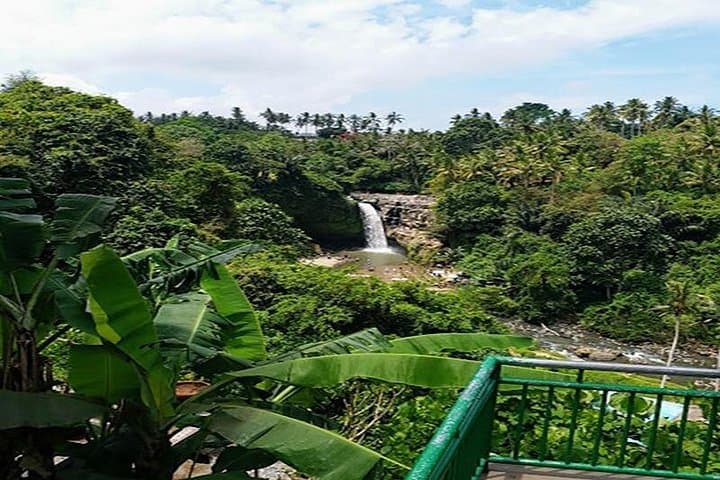
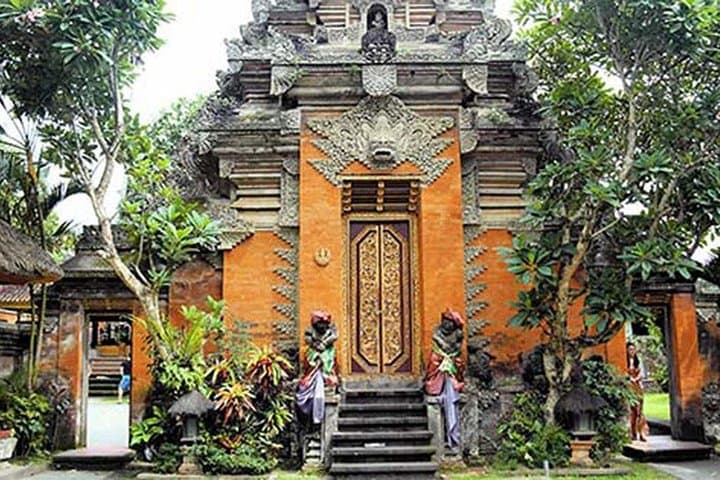
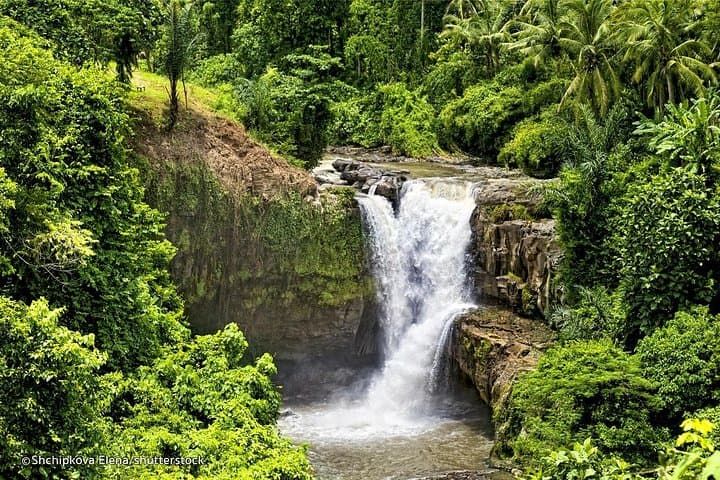
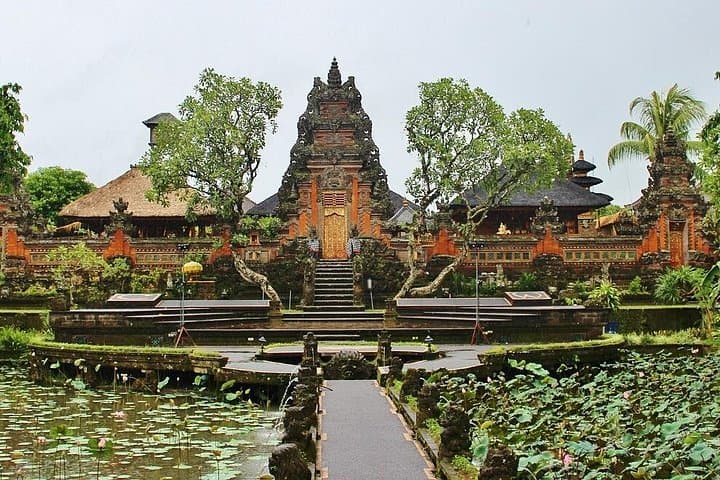
This is central-Bali: volcanic soils shaped layered rice bowls, and the subak irrigation system that sustains them is both engineering and communal ritual. Ubud Market grew as a trading hub for artisans—woodcarvers from Mas, silversmiths from Celuk—and the Royal Palace (Puri Saren Agung) remains a cultural stage for dance and ceremony. Tegenungan (Kemenuh) sits on a rivercut gorge; the waterfall is a lively geological notch where torrents carve rock and spray cools the understory.
Practically, expect multiple short drives, paved village roads, and stretches of stairs and muddy paths at the waterfall. The tour suits travelers with moderate fitness who can manage steps and brief hikes; bring steady footwear, swimwear if you plan to enter the plunge pool, and cash for small entrance fees and market purchases. Timing matters—arrive early at popular stops to avoid crowds and the midday heat. Your driver-guide will handle logistics and parking, but wear sunscreen, carry water, and keep a dry bag for electronics. The day balances culture and nature: bargaining at stalls, watching craftsmen at work, and letting the river’s force pull you toward a cooling moment beneath the falls.
Expect 20–60 minute drives between sites depending on traffic; the full itinerary runs about six hours including stops.
Yes—there is a plunge pool below the falls, but currents can be strong after rain; follow local guidance and avoid deep water if you’re not a confident swimmer.
This tour description notes admission is not included, so have local currency ready for entry fees and market purchases.
Families with children can join, but the waterfall involves many steps and uneven terrain; it’s not recommended for travelers with significant mobility limitations.
Sewa Mobil Bali operates guided outdoor trips and adventures with an emphasis on safety, stewardship, and memorable experiences.
Morning light slides through palm fronds as a private car pulls away from Ubud’s quieter lanes, and the day unfolds between rice terraces, market stalls and a waterfall that insists you slow down. The route threads through villages of carvers and silversmiths, pausing at the palace square where carved doorways mark centuries of Balinese court life, then onward to the steep green steps of Tegalalang and the thundering curtain of Tegenungan.
Morning light slides through palm fronds as a private car pulls away from Ubud’s quieter lanes, and the day unfolds between rice terraces, market stalls and a waterfall that insists you slow down. The route threads through villages of carvers and silversmiths, pausing at the palace square where carved doorways mark centuries of Balinese court life, then onward to the steep green steps of Tegalalang and the thundering curtain of Tegenungan.
This is central-Bali: volcanic soils shaped layered rice bowls, and the subak irrigation system that sustains them is both engineering and communal ritual. Ubud Market grew as a trading hub for artisans—woodcarvers from Mas, silversmiths from Celuk—and the Royal Palace (Puri Saren Agung) remains a cultural stage for dance and ceremony. Tegenungan (Kemenuh) sits on a rivercut gorge; the waterfall is a lively geological notch where torrents carve rock and spray cools the understory.
Practically, expect multiple short drives, paved village roads, and stretches of stairs and muddy paths at the waterfall. The tour suits travelers with moderate fitness who can manage steps and brief hikes; bring steady footwear, swimwear if you plan to enter the plunge pool, and cash for small entrance fees and market purchases. Timing matters—arrive early at popular stops to avoid crowds and the midday heat. Your driver-guide will handle logistics and parking, but wear sunscreen, carry water, and keep a dry bag for electronics. The day balances culture and nature: bargaining at stalls, watching craftsmen at work, and letting the river’s force pull you toward a cooling moment beneath the falls.