THE ADVENTURE COLLECTIVE® · Independent discovery and booking for outdoor travel

Spend a private day chasing three of Ubud’s most photogenic waterfalls. From the stepped lava-flow drops at Kanto Lampo to the curtain-like Tibumana and the bamboo-raft calm of Suwat, this tour pairs easy adventure with local insight.
Spend a private day chasing three of Ubud’s most photogenic waterfalls. From the stepped lava-flow drops at Kanto Lampo to the curtain-like Tibumana and the bamboo-raft calm of Suwat, this tour pairs easy adventure with local insight.
The van pulls off a narrow Balinese lane and the world changes: rice paddies give way to jungle, the air goes green and damp, and the sound of traffic is replaced by water finding its way downhill. At Kanto Lampo the cascade announces itself before you can see it — a rumble through leaves, a spray of white against black lava stone. The falls tumble in stepped ribbons over worn volcanic rock; visitors crouch on slick ledges to photograph the curving flow while kids wade in the shallow pool.
Verified experiences and guided adventures in the surrounding area.
Operated by bali journey experience · Ubud, Bali
The van pulls off a narrow Balinese lane and the world changes: rice paddies give way to jungle, the air goes green and damp, and the sound of traffic is replaced by water finding its way downhill. At Kanto Lampo the cascade announces itself before you can see it — a rumble through leaves, a spray of white against black lava stone. The falls tumble in stepped ribbons over worn volcanic rock; visitors crouch on slick ledges to photograph the curving flow while kids wade in the shallow pool.
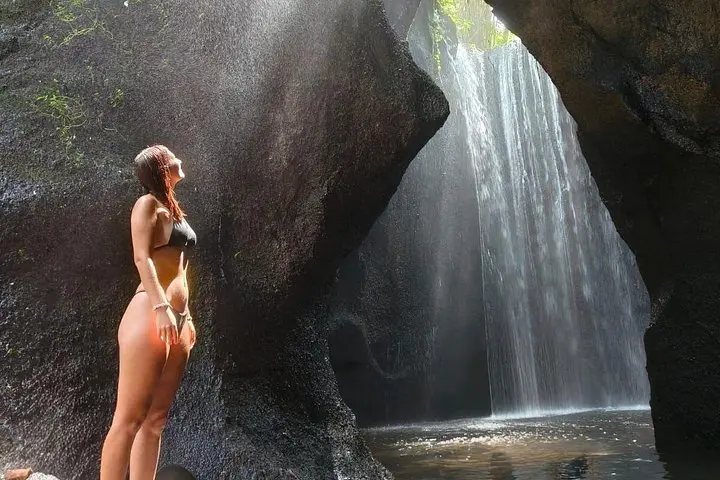
A short drive east and a shaded track leads to Tibumana, where the waterfall drops like a curtain into a bowl of clear, deep water. Sunlight filters through ribbed palm fronds and ferns, painting the plunge in shifting bands of light. Suwat, the last stop, sits deeper in Gianyar countryside: a 15-meter drop into a turquoise pool, often quiet enough that the bamboo raft feels like a private stage for floating and cooling off.
These falls are carved from Bali's volcanic backbone. Lava flows from ancient eruptions left hard black basalt and porous rock that direct run-off into tight channels; over centuries water cut those channels into the terraces and steps you see today. Culturally, the water here has long been part of Balinese life — irrigation, ritual purification, and daily washing. It is common to see small offerings, or canang sari, on stones near the path; they are reminders that these places are used and cherished by local communities.
Practical guidance: the full tour runs about six hours with private transport and bottled water included. Trails are short but steep in places — plan for 5–15 minute descents at each site and slick surfaces. Wear water shoes or grippy sandals and bring swimwear if you plan to enter pools. Early starts are worth it: light, fewer people, and softer photographic light. Guides typically cover entrance fees and will pilot traffic on narrow roads; pickup is offered from Ubud hotels.
Safety and etiquette matter. Respect temple areas and offerings, avoid standing or stepping on them, and don’t touch the carved stonework. The waterfalls are family-friendly but not recommended for pregnant travelers or anyone with serious back or heart problems. If rain has been heavy, pool currents can strengthen and paths become treacherous — follow your guide’s advice.
For photographers, bring a fast lens for low-light forest shots and a waterproof sleeve for your phone; golden hour and mid-morning offer contrasting moods. Between the three falls you’ll experience Bali’s quieter, humid interior — a day that mixes easy adventure, local life, and unmistakable tropical geology.
Yes — Kanto Lampo, Tibumana, and Suwat all have pools suitable for swimming, but depth and currents vary; follow your guide's safety advice.
Each site sits within 30–45 minutes of central Ubud depending on traffic; the whole tour includes transport between sites and back to your hotel.
Entrance fees are included in the tour price, as is bottled water and private transportation.
Generally yes — paths are short, but some stairs and wet surfaces may be challenging; travelers with serious health issues should avoid it.
Phones and handheld cameras are fine; drone use is often restricted near temples and crowded sites, so check with your guide before launching.
Guides do not typically provide towels; some sites have basic changing areas, but bringing your own towel is recommended.
bali journey experience operates guided outdoor trips and adventures with an emphasis on safety, stewardship, and memorable experiences.
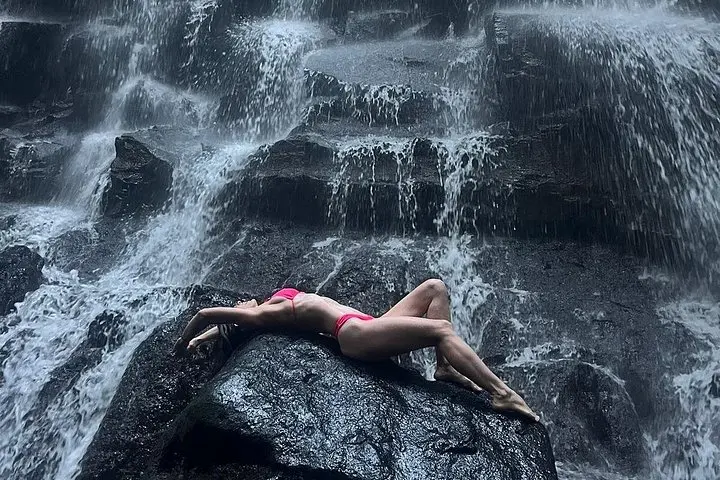
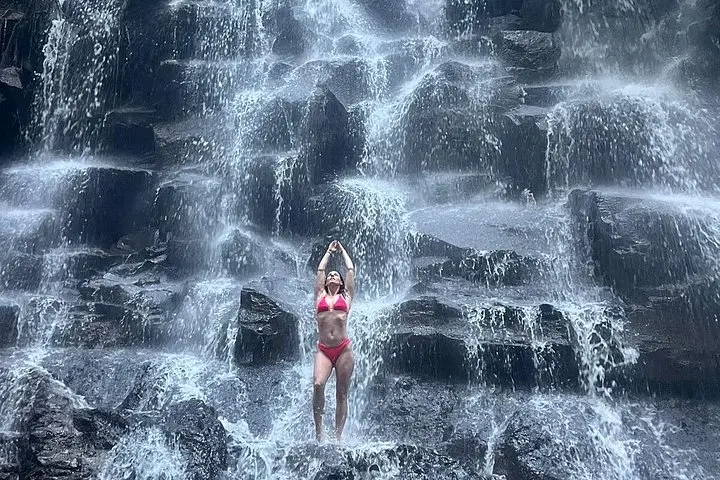
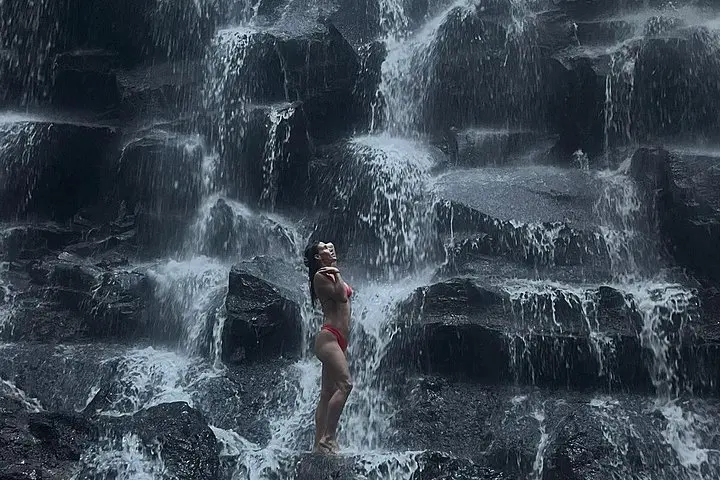
The van pulls off a narrow Balinese lane and the world changes: rice paddies give way to jungle, the air goes green and damp, and the sound of traffic is replaced by water finding its way downhill. At Kanto Lampo the cascade announces itself before you can see it — a rumble through leaves, a spray of white against black lava stone. The falls tumble in stepped ribbons over worn volcanic rock; visitors crouch on slick ledges to photograph the curving flow while kids wade in the shallow pool.
The van pulls off a narrow Balinese lane and the world changes: rice paddies give way to jungle, the air goes green and damp, and the sound of traffic is replaced by water finding its way downhill. At Kanto Lampo the cascade announces itself before you can see it — a rumble through leaves, a spray of white against black lava stone. The falls tumble in stepped ribbons over worn volcanic rock; visitors crouch on slick ledges to photograph the curving flow while kids wade in the shallow pool.
A short drive east and a shaded track leads to Tibumana, where the waterfall drops like a curtain into a bowl of clear, deep water. Sunlight filters through ribbed palm fronds and ferns, painting the plunge in shifting bands of light. Suwat, the last stop, sits deeper in Gianyar countryside: a 15-meter drop into a turquoise pool, often quiet enough that the bamboo raft feels like a private stage for floating and cooling off.
These falls are carved from Bali's volcanic backbone. Lava flows from ancient eruptions left hard black basalt and porous rock that direct run-off into tight channels; over centuries water cut those channels into the terraces and steps you see today. Culturally, the water here has long been part of Balinese life — irrigation, ritual purification, and daily washing. It is common to see small offerings, or canang sari, on stones near the path; they are reminders that these places are used and cherished by local communities.
Practical guidance: the full tour runs about six hours with private transport and bottled water included. Trails are short but steep in places — plan for 5–15 minute descents at each site and slick surfaces. Wear water shoes or grippy sandals and bring swimwear if you plan to enter pools. Early starts are worth it: light, fewer people, and softer photographic light. Guides typically cover entrance fees and will pilot traffic on narrow roads; pickup is offered from Ubud hotels.
Safety and etiquette matter. Respect temple areas and offerings, avoid standing or stepping on them, and don’t touch the carved stonework. The waterfalls are family-friendly but not recommended for pregnant travelers or anyone with serious back or heart problems. If rain has been heavy, pool currents can strengthen and paths become treacherous — follow your guide’s advice.
For photographers, bring a fast lens for low-light forest shots and a waterproof sleeve for your phone; golden hour and mid-morning offer contrasting moods. Between the three falls you’ll experience Bali’s quieter, humid interior — a day that mixes easy adventure, local life, and unmistakable tropical geology.