THE ADVENTURE COLLECTIVE® · Independent discovery and booking for outdoor travel

Combine rutted ATV tracks, class II–III rafting on the Ayung, and canopy thrills above Bali’s rice terraces in a single action-packed day out of Ubud. Safety gear, guided instruction, and a simple lunch are included, making it accessible for many travelers who are fit and ready for motion.
Combine rutted ATV tracks, class II–III rafting on the Ayung, and canopy thrills above Bali’s rice terraces in a single action-packed day out of Ubud. Safety gear, guided instruction, and a simple lunch are included, making it accessible for many travelers who are fit and ready for motion.
You step from the shuttle into humid Balinese air and the first thing you notice is movement: paddles cutting river glass, tires throwing wet earth, and a sling of rice terraces that seem to lean toward the valley. This is Ubud’s active edge—where adrenaline meets ancient irrigation.
Verified experiences and guided adventures in the surrounding area.
Operated by Your Bali Escape · Ubud, Bali
You step from the shuttle into humid Balinese air and the first thing you notice is movement: paddles cutting river glass, tires throwing wet earth, and a sling of rice terraces that seem to lean toward the valley. This is Ubud’s active edge—where adrenaline meets ancient irrigation.
The Ayung River carved this lowland; its steep banks and volcanic soils created the fertile terraces that farmers have managed for centuries using the subak cooperative irrigation system. Nearby limestone and volcanic outcrops shape narrow gorges used by rafting operators, while terraced fields trace contours mapped long before modern surveying.
Culturally, the area blends rural ritual with tour-ready attractions: you’ll pass family temples, offerings at roadside shrines, and local farmers working paddies between activity stations. Guides here double as cultural interpreters—expect explanations of the subak system and polite requests around temple areas.
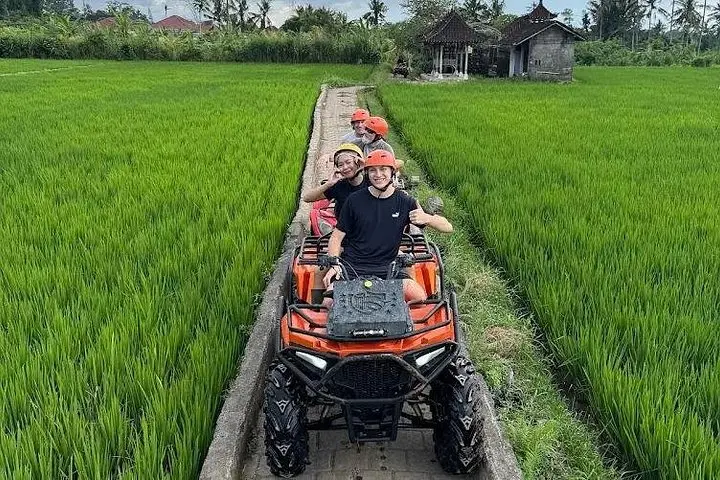
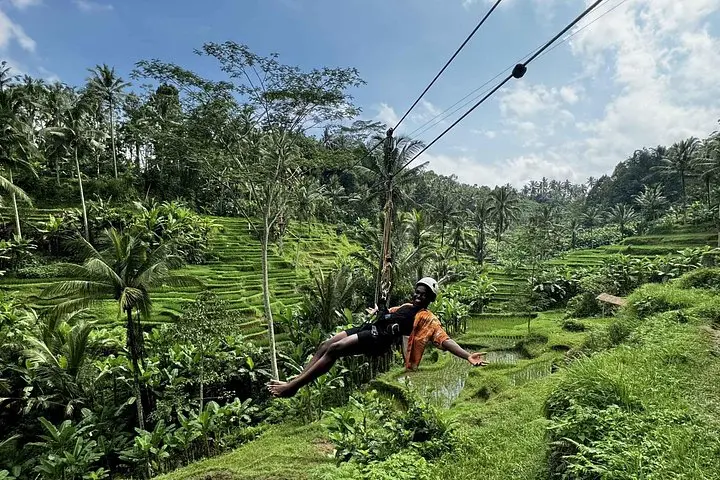
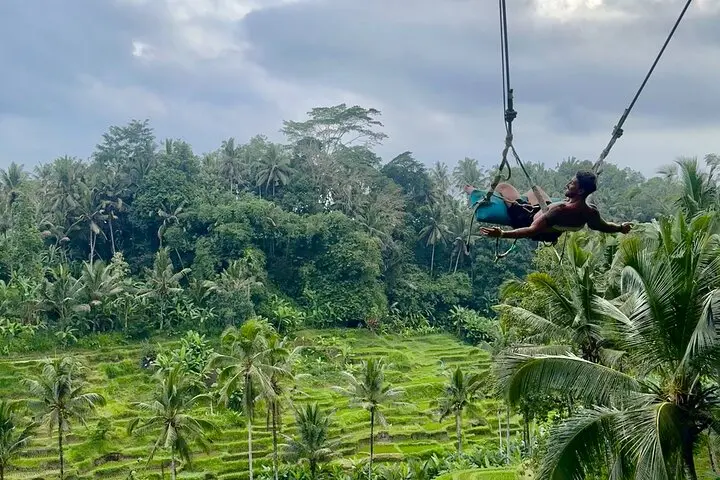
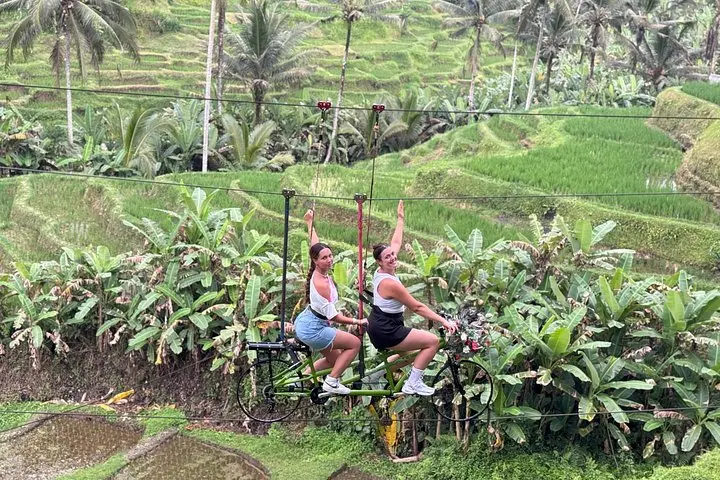
Practically, the day is modular: a 1–1.5 hour ATV loop over muddy trails, 2–2.5 hours for class II–III Ayung rafting, and short canopy games (zipline, swing, sky bike) staged above fields. Dress for wet dirt and quick changes; organizers provide helmets, boots, harnesses, towels and a simple lunch. Fitness matters—these activities demand balance, core engagement, and comfort with heights and moving water.
Timing: morning departures keep rivers calmer and soils firmer; later starts can be hotter and muddier. Bring a dry change of clothes, a watertight pouch for your phone, and a willingness to listen to brief safety demos—the guides run them for a reason. When the valley breathes and the current pushes you forward, the day reads equal parts local landscape and controlled risk—an efficient, tangible slice of Bali adventure.
No formal experience required—guides provide instruction and routes are graded for beginners to experienced riders, but you should be comfortable with basic vehicle control.
Not recommended for infants, pregnant travelers, or those with spinal/serious heart conditions; operators typically set minimum ages for each element—check at booking.
Lockers are usually available at the activity base; during river sections, store items in provided dry storage or in your vehicle’s locked compartment.
Operators often cancel or reschedule for heavy rain or unsafe river levels—cancellation policies typically allow refunds if done at least 24 hours ahead.
Your Bali Escape operates guided outdoor trips and adventures with an emphasis on safety, stewardship, and memorable experiences.
You step from the shuttle into humid Balinese air and the first thing you notice is movement: paddles cutting river glass, tires throwing wet earth, and a sling of rice terraces that seem to lean toward the valley. This is Ubud’s active edge—where adrenaline meets ancient irrigation.
You step from the shuttle into humid Balinese air and the first thing you notice is movement: paddles cutting river glass, tires throwing wet earth, and a sling of rice terraces that seem to lean toward the valley. This is Ubud’s active edge—where adrenaline meets ancient irrigation.
The Ayung River carved this lowland; its steep banks and volcanic soils created the fertile terraces that farmers have managed for centuries using the subak cooperative irrigation system. Nearby limestone and volcanic outcrops shape narrow gorges used by rafting operators, while terraced fields trace contours mapped long before modern surveying.
Culturally, the area blends rural ritual with tour-ready attractions: you’ll pass family temples, offerings at roadside shrines, and local farmers working paddies between activity stations. Guides here double as cultural interpreters—expect explanations of the subak system and polite requests around temple areas.
Practically, the day is modular: a 1–1.5 hour ATV loop over muddy trails, 2–2.5 hours for class II–III Ayung rafting, and short canopy games (zipline, swing, sky bike) staged above fields. Dress for wet dirt and quick changes; organizers provide helmets, boots, harnesses, towels and a simple lunch. Fitness matters—these activities demand balance, core engagement, and comfort with heights and moving water.
Timing: morning departures keep rivers calmer and soils firmer; later starts can be hotter and muddier. Bring a dry change of clothes, a watertight pouch for your phone, and a willingness to listen to brief safety demos—the guides run them for a reason. When the valley breathes and the current pushes you forward, the day reads equal parts local landscape and controlled risk—an efficient, tangible slice of Bali adventure.