THE ADVENTURE COLLECTIVE® · Independent discovery and booking for outdoor travel

Walk Ubud’s ridge and royal compounds with a local guide who threads together temples, art and rice-valley life in 2.5–4 hours. Perfect for travelers who want a compact, interpretive introduction to Ubud’s history and landscapes.
Walk Ubud’s ridge and royal compounds with a local guide who threads together temples, art and rice-valley life in 2.5–4 hours. Perfect for travelers who want a compact, interpretive introduction to Ubud’s history and landscapes.
Morning light slices through palm fronds as your small group steps off a quiet lane into the cool air above the Campuhan ridge. The ridge breathes like a living corridor—winds nudging grass, songbirds calling from bamboo—leading you past rice terraces and the slow river that once shaped Ubud’s valley.
Verified experiences and guided adventures in the surrounding area.
Operated by Bali ATV Ride Quad Adventure Tour · Ubud, Bali
Morning light slices through palm fronds as your small group steps off a quiet lane into the cool air above the Campuhan ridge. The ridge breathes like a living corridor—winds nudging grass, songbirds calling from bamboo—leading you past rice terraces and the slow river that once shaped Ubud’s valley.
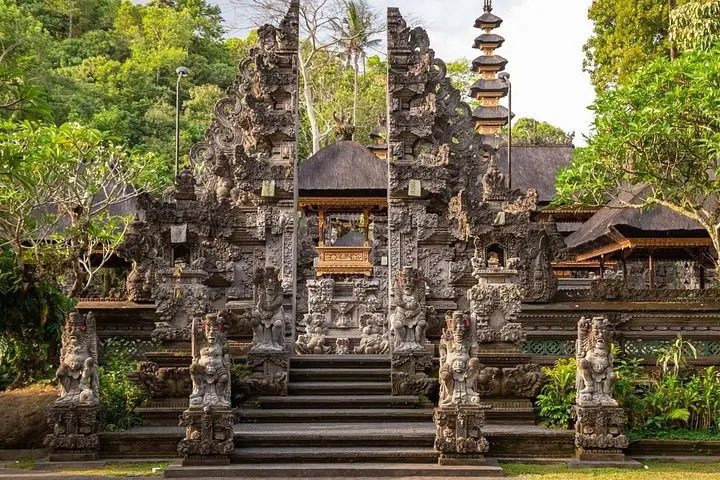
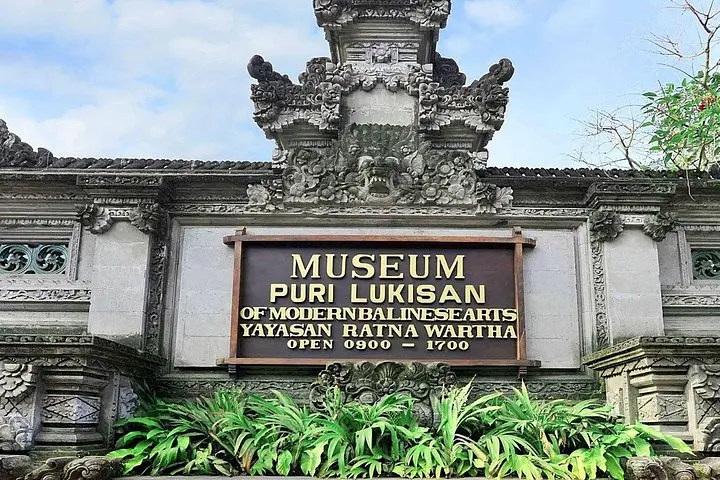
This 2.5–4 hour walking tour threads Ubud’s layered story: the 8th-century founding of Gunung Lebah by Rsi Markandeya, the 19th-century royal compound of Puri Saren, and the 20th-century Pita Maha movement whose legacy lives in Museum Puri Lukisan’s galleries. Geologically the valley is volcanic alluvium, carved by streams that still water the rice paddies. Culturally you’ll note carved doorways, offering trays at temple thresholds, and the measured cadence of daily rituals.
Expect paved sidewalks, short stair sections, and easy ridge trail walking; the route includes entrance to several sites and stops for photos and local stories. Guides alternate in Spanish and English; group sizes are capped to preserve the atmosphere and lower impact.
Practical: wear closed-toe walking shoes, bring 1–1.5 liters of water, and dress respectfully for temple visits (shoulders and knees covered). Aim for a morning slot to avoid midday heat and higher visitor traffic. The tour balances history and landscape, offering both context and a clear, walkable introduction to Ubud’s living past.
The supplier will confirm the exact meeting spot by WhatsApp; it’s accessible by motorbike, car, or ride-hail services like Gojek/Grab and is near IBAH Hotel/M Minimart.
The tour notes include admissions for Gunung Lebah Temple, Campuhan Ridge Walk, Museum Puri Lukisan and Puri Saren Palace; Museum Puri Lukisan has a specified ticket fee noted in the listing.
English and Indonesian guides run daily morning (08:30) and afternoon (14:00) tours; Spanish-speaking guides are available on specific days—check booking options.
Not recommended for travelers with serious spinal or cardiovascular conditions; the route includes stairs and walking on sidewalks—ask the operator about accommodations before booking.
Bali ATV Ride Quad Adventure Tour operates guided outdoor trips and adventures with an emphasis on safety, stewardship, and memorable experiences.
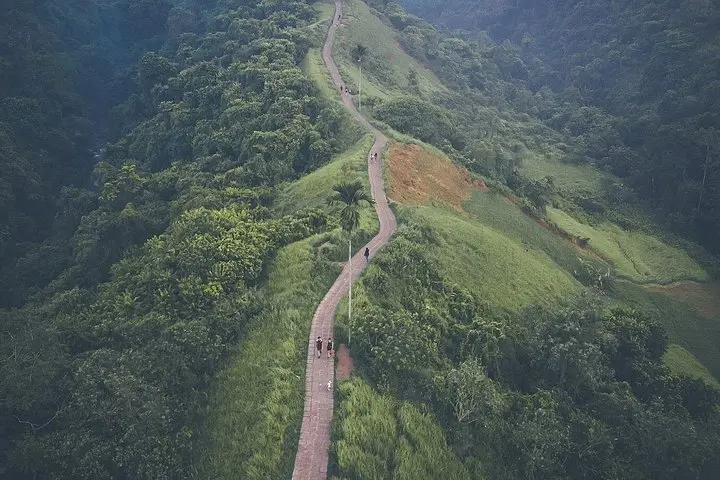
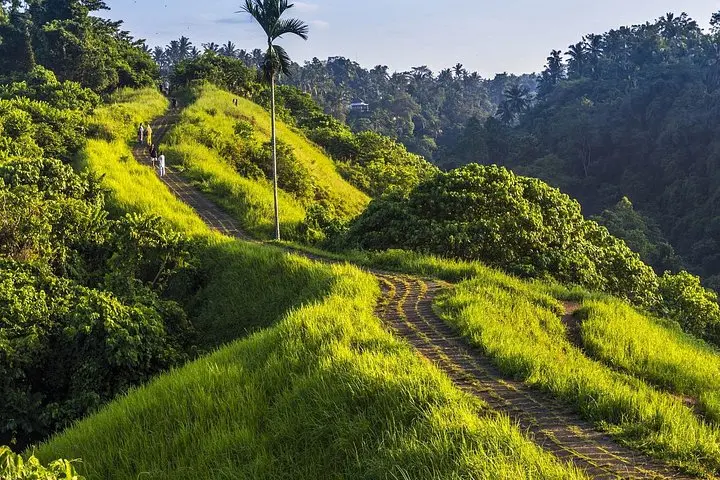
Morning light slices through palm fronds as your small group steps off a quiet lane into the cool air above the Campuhan ridge. The ridge breathes like a living corridor—winds nudging grass, songbirds calling from bamboo—leading you past rice terraces and the slow river that once shaped Ubud’s valley.
Morning light slices through palm fronds as your small group steps off a quiet lane into the cool air above the Campuhan ridge. The ridge breathes like a living corridor—winds nudging grass, songbirds calling from bamboo—leading you past rice terraces and the slow river that once shaped Ubud’s valley.
This 2.5–4 hour walking tour threads Ubud’s layered story: the 8th-century founding of Gunung Lebah by Rsi Markandeya, the 19th-century royal compound of Puri Saren, and the 20th-century Pita Maha movement whose legacy lives in Museum Puri Lukisan’s galleries. Geologically the valley is volcanic alluvium, carved by streams that still water the rice paddies. Culturally you’ll note carved doorways, offering trays at temple thresholds, and the measured cadence of daily rituals.
Expect paved sidewalks, short stair sections, and easy ridge trail walking; the route includes entrance to several sites and stops for photos and local stories. Guides alternate in Spanish and English; group sizes are capped to preserve the atmosphere and lower impact.
Practical: wear closed-toe walking shoes, bring 1–1.5 liters of water, and dress respectfully for temple visits (shoulders and knees covered). Aim for a morning slot to avoid midday heat and higher visitor traffic. The tour balances history and landscape, offering both context and a clear, walkable introduction to Ubud’s living past.