THE ADVENTURE COLLECTIVE® · Independent discovery and booking for outdoor travel

Move from rice terraces to sacred springs on a private half-day tour around Ubud. Swim under an iconic waterfall, walk the Tegallalang terraces and visit the peaceful Sebatu temple—an efficient, culture-rich outing for outdoors-minded travelers.
Move from rice terraces to sacred springs on a private half-day tour around Ubud. Swim under an iconic waterfall, walk the Tegallalang terraces and visit the peaceful Sebatu temple—an efficient, culture-rich outing for outdoors-minded travelers.
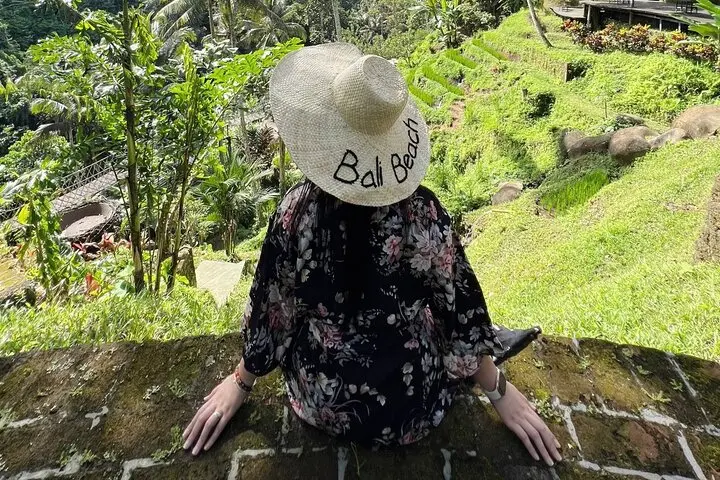
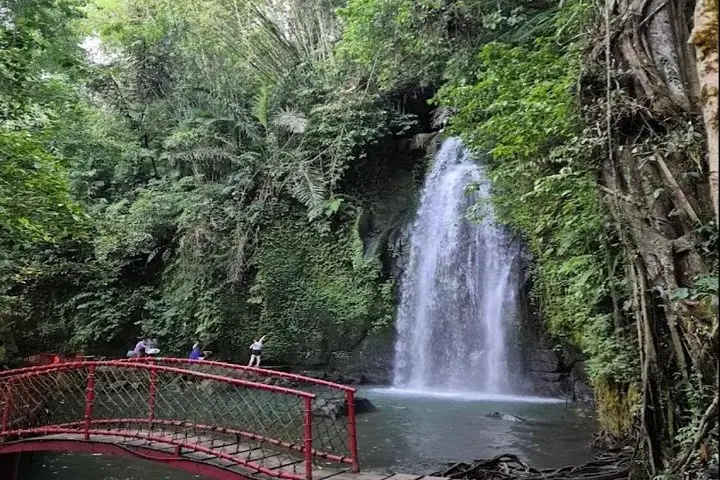
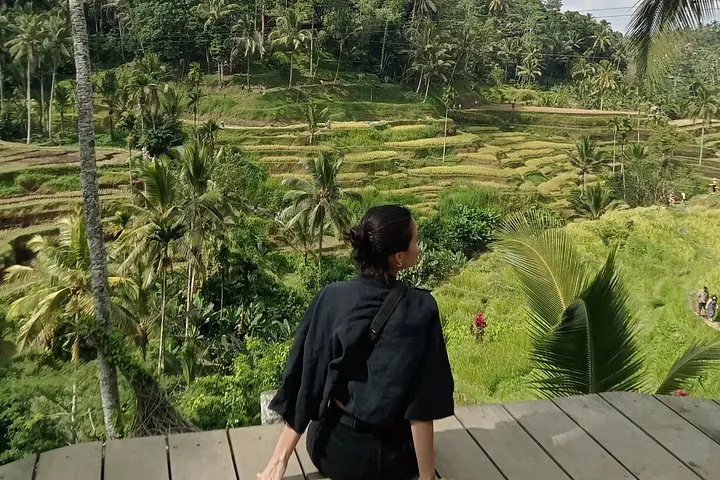
You step out of Ubud’s humid morning air into a landscape that moves—rice paddies folding like green steps, a river that seems to hurry you along, and a waterfall that calls you to cool down. This private half-day circuit threads Tegallalang’s UNESCO-recognized terraces with the holy springs of Sebatu and the plunge pool at Ulu Petanu, offering an intimate cross-section of central Bali’s living landscape.
Verified experiences and guided adventures in the surrounding area.
Operated by Amara Bali Family Tour · Ubud, Bali
You step out of Ubud’s humid morning air into a landscape that moves—rice paddies folding like green steps, a river that seems to hurry you along, and a waterfall that calls you to cool down. This private half-day circuit threads Tegallalang’s UNESCO-recognized terraces with the holy springs of Sebatu and the plunge pool at Ulu Petanu, offering an intimate cross-section of central Bali’s living landscape.
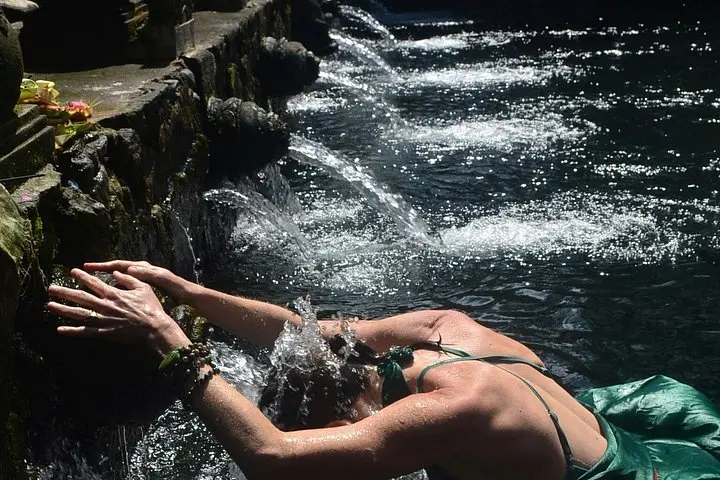
Tegallalang is part of Bali’s subak irrigation tradition, a village-managed system that shaped the terraces for centuries. Sebatu Gunung Kawi Temple centers on fresh spring water used for purification rituals; the stones and pools carry the slow work of devotion. Geologically, the area is volcanic clay and alluvial soils sculpted into terraces and stream channels that swell during the monsoon and calm in the dry season.
Culturally this is both a working agricultural landscape and a place of daily worship—expect offerings, temple etiquette and the bright textures of Balinese life. Local guides often point out native plants used in ceremonies and introduce smallholder farming practices.
Practical guidance: wear sturdy, closed-toe shoes for slippery terrace paths, bring swimwear for the waterfall, and carry cash for small entrance fees and local stalls. Plan mornings for softer light and cooler temperatures; mid-afternoon can be hot and busy. Respect temple rules—women should follow local guidance regarding participation—and keep to marked paths to protect crops and fragile soil. With a private driver and included local admissions, this tour balances cultural insight with manageable walking and a few chances to swim and photograph without the crowds.
The tour is listed at approximately 8 hours and usually includes pickup and drop-off in the Ubud area.
The tour description indicates that entry tickets to Tegallalang, Ulu Petanu, and Sebatu are included; confirm at booking if you selected optional lunch.
Yes—Ulu Petanu allows swimming; bring swimwear, but be prepared for variable currents and check with your guide before entering the water.
The route is generally suitable for families and older travelers who can manage short walks and steps; those with mobility or health concerns should notify the operator in advance.
Amara Bali Family Tour operates guided outdoor trips and adventures with an emphasis on safety, stewardship, and memorable experiences.
You step out of Ubud’s humid morning air into a landscape that moves—rice paddies folding like green steps, a river that seems to hurry you along, and a waterfall that calls you to cool down. This private half-day circuit threads Tegallalang’s UNESCO-recognized terraces with the holy springs of Sebatu and the plunge pool at Ulu Petanu, offering an intimate cross-section of central Bali’s living landscape.
You step out of Ubud’s humid morning air into a landscape that moves—rice paddies folding like green steps, a river that seems to hurry you along, and a waterfall that calls you to cool down. This private half-day circuit threads Tegallalang’s UNESCO-recognized terraces with the holy springs of Sebatu and the plunge pool at Ulu Petanu, offering an intimate cross-section of central Bali’s living landscape.
Tegallalang is part of Bali’s subak irrigation tradition, a village-managed system that shaped the terraces for centuries. Sebatu Gunung Kawi Temple centers on fresh spring water used for purification rituals; the stones and pools carry the slow work of devotion. Geologically, the area is volcanic clay and alluvial soils sculpted into terraces and stream channels that swell during the monsoon and calm in the dry season.
Culturally this is both a working agricultural landscape and a place of daily worship—expect offerings, temple etiquette and the bright textures of Balinese life. Local guides often point out native plants used in ceremonies and introduce smallholder farming practices.
Practical guidance: wear sturdy, closed-toe shoes for slippery terrace paths, bring swimwear for the waterfall, and carry cash for small entrance fees and local stalls. Plan mornings for softer light and cooler temperatures; mid-afternoon can be hot and busy. Respect temple rules—women should follow local guidance regarding participation—and keep to marked paths to protect crops and fragile soil. With a private driver and included local admissions, this tour balances cultural insight with manageable walking and a few chances to swim and photograph without the crowds.