THE ADVENTURE COLLECTIVE® · Independent discovery and booking for outdoor travel

Spend a day moving through Bali’s green heart: swim beneath jungle waterfalls, join a purification ritual at Tirta Empul, and walk the ridge of Tegalalang’s rice terraces. This private Ubud tour combines natural adventure with cultural context and practical guidance for a full-day itinerary.
Spend a day moving through Bali’s green heart: swim beneath jungle waterfalls, join a purification ritual at Tirta Empul, and walk the ridge of Tegalalang’s rice terraces. This private Ubud tour combines natural adventure with cultural context and practical guidance for a full-day itinerary.
The morning light in central Bali arrives like a hush: humid air lifting off rice paddies, tree frogs quieting as scooters begin to thread the narrow roads. On a private Ubud circuit, the guide eases a small, air-conditioned minivan through a patchwork of villages; soon the road gives way to spray and the sound of water. At Kanto Lampo the falls demand attention—water slips over uneven basalt, the current carving small pools that dare you to step in and cool off. Downstream, Tibumana keeps its secret: a narrow jungle corridor opens to a single, elegant drop and a calm pool framed by ferns and hanging vines.
Verified experiences and guided adventures in the surrounding area.
Operated by Ubud Driver · Ubud, Bali
The morning light in central Bali arrives like a hush: humid air lifting off rice paddies, tree frogs quieting as scooters begin to thread the narrow roads. On a private Ubud circuit, the guide eases a small, air-conditioned minivan through a patchwork of villages; soon the road gives way to spray and the sound of water. At Kanto Lampo the falls demand attention—water slips over uneven basalt, the current carving small pools that dare you to step in and cool off. Downstream, Tibumana keeps its secret: a narrow jungle corridor opens to a single, elegant drop and a calm pool framed by ferns and hanging vines.
This route stitches together Bali’s deep-time geology and living culture. The rice terraces at Tegalalang trace the contours of volcanic hills, shaped by centuries of the subak irrigation system—a cooperative water-management tradition recognized by UNESCO. Tirta Empul, the holy spring temple you visit mid-day, dates to the 10th century; its tiled courtyards and stone spouts continue to channel water used in purification ceremonies, a ritual practice that ties household life to the island’s Hindu calendar.
The waterfalls are volcanic by design: lava flows and river erosion create stepped channels and pockets where pools form. The rice terraces are human geology—contours remade for wet-rice cultivation. The communities here are small and open; roadside stalls sell fresh coconut, and local rice farmers sometimes nod as you pass. Guides on this tour do more than navigate traffic—they read the trail, point out edible plants, and explain temple etiquette before you enter the Tirta Empul complex.
Practical side: this is a full-day outing—expect roughly 10 hours from hotel pickup to return. Wear quick-dry layers and shoes with grip; jungle stairs and river rocks get slick. Bring a refillable water bottle and sun protection—there are few shaded parking areas between stops. For Tirta Empul, bring a sarong or rent one at the temple and remove shoes before entering purification areas; modest clothing shows respect.
Timing matters: start early to beat crowds at Tegalalang and arrive at the waterfalls before noon when light is cleaner and pools are quieter. Keep valuables in a dry bag, and if you plan to swim, secure phones in a waterproof case—currents can be playful. Finally, support local stewards: buy a coffee or a snack at a village warung and follow Leave No Trace—these landscapes stay generous only if we treat them that way.
Yes—pickup from Ubud-area hotels and many Bali accommodations is included; confirm your exact pickup point when booking.
Entry tickets for Kanto Lampo, Tibumana, Tirta Empul and Tegalalang are listed as included in this tour.
Yes—both Kanto Lampo and Tibumana have swim-friendly pools, but watch for slippery rocks and follow guide instructions.
Modest clothing is required; bring a sarong and sash (often available to rent at the temple) and remove shoes before entering holy bathing areas.
Operators provide harnesses and photo platforms; follow staff instructions and weight limits—those with serious back or neck issues should skip it.
Many families and older visitors take the tour, but participants should be comfortable with steps, uneven ground and short jungle walks.
Ubud Driver operates guided outdoor trips and adventures with an emphasis on safety, stewardship, and memorable experiences.
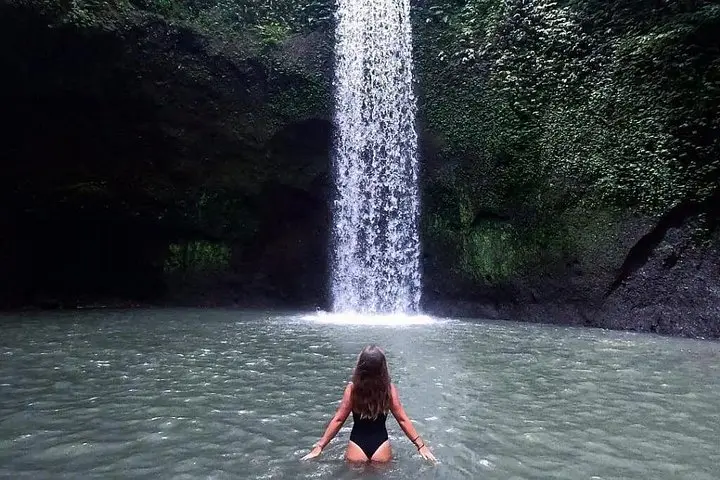
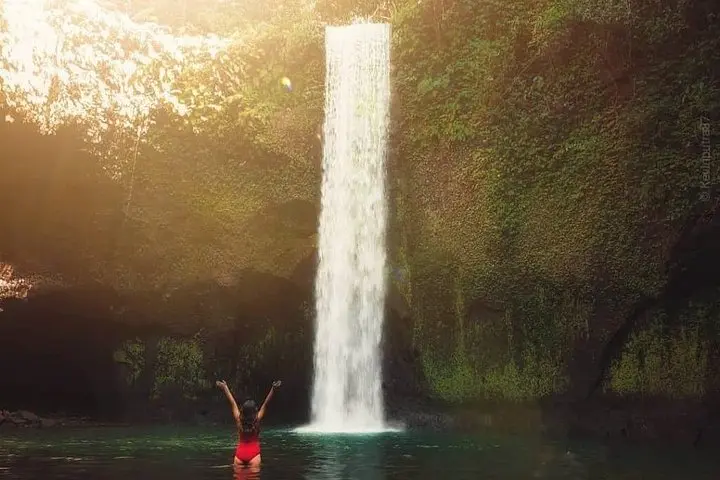
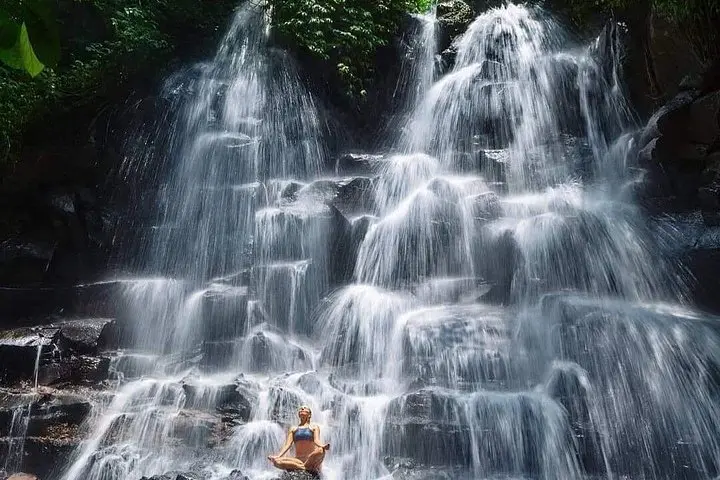
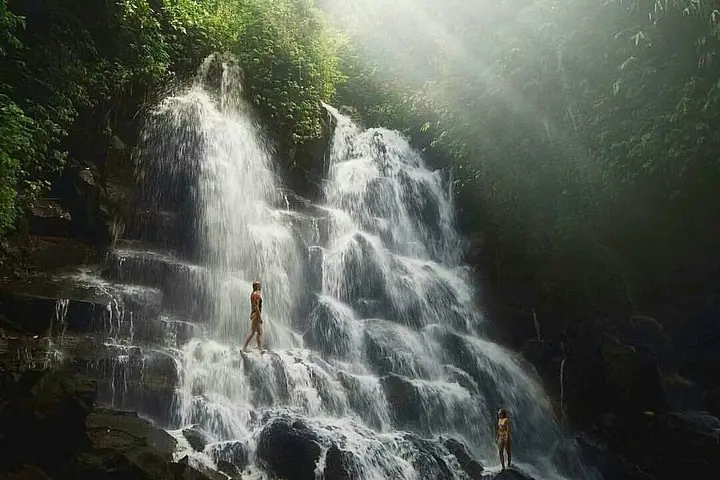
The morning light in central Bali arrives like a hush: humid air lifting off rice paddies, tree frogs quieting as scooters begin to thread the narrow roads. On a private Ubud circuit, the guide eases a small, air-conditioned minivan through a patchwork of villages; soon the road gives way to spray and the sound of water. At Kanto Lampo the falls demand attention—water slips over uneven basalt, the current carving small pools that dare you to step in and cool off. Downstream, Tibumana keeps its secret: a narrow jungle corridor opens to a single, elegant drop and a calm pool framed by ferns and hanging vines.
The morning light in central Bali arrives like a hush: humid air lifting off rice paddies, tree frogs quieting as scooters begin to thread the narrow roads. On a private Ubud circuit, the guide eases a small, air-conditioned minivan through a patchwork of villages; soon the road gives way to spray and the sound of water. At Kanto Lampo the falls demand attention—water slips over uneven basalt, the current carving small pools that dare you to step in and cool off. Downstream, Tibumana keeps its secret: a narrow jungle corridor opens to a single, elegant drop and a calm pool framed by ferns and hanging vines.
This route stitches together Bali’s deep-time geology and living culture. The rice terraces at Tegalalang trace the contours of volcanic hills, shaped by centuries of the subak irrigation system—a cooperative water-management tradition recognized by UNESCO. Tirta Empul, the holy spring temple you visit mid-day, dates to the 10th century; its tiled courtyards and stone spouts continue to channel water used in purification ceremonies, a ritual practice that ties household life to the island’s Hindu calendar.
The waterfalls are volcanic by design: lava flows and river erosion create stepped channels and pockets where pools form. The rice terraces are human geology—contours remade for wet-rice cultivation. The communities here are small and open; roadside stalls sell fresh coconut, and local rice farmers sometimes nod as you pass. Guides on this tour do more than navigate traffic—they read the trail, point out edible plants, and explain temple etiquette before you enter the Tirta Empul complex.
Practical side: this is a full-day outing—expect roughly 10 hours from hotel pickup to return. Wear quick-dry layers and shoes with grip; jungle stairs and river rocks get slick. Bring a refillable water bottle and sun protection—there are few shaded parking areas between stops. For Tirta Empul, bring a sarong or rent one at the temple and remove shoes before entering purification areas; modest clothing shows respect.
Timing matters: start early to beat crowds at Tegalalang and arrive at the waterfalls before noon when light is cleaner and pools are quieter. Keep valuables in a dry bag, and if you plan to swim, secure phones in a waterproof case—currents can be playful. Finally, support local stewards: buy a coffee or a snack at a village warung and follow Leave No Trace—these landscapes stay generous only if we treat them that way.