THE ADVENTURE COLLECTIVE® · Independent discovery and booking for outdoor travel

Spend a full day exploring Ubud’s jungle waterfalls, a cave-lit gorge, a sacred water temple, and the iconic Tegallalang rice terraces. This private tour pairs local knowledge with easy logistics—perfect for travelers who want photos, culture, and front-row views without the planning.
Spend a full day exploring Ubud’s jungle waterfalls, a cave-lit gorge, a sacred water temple, and the iconic Tegallalang rice terraces. This private tour pairs local knowledge with easy logistics—perfect for travelers who want photos, culture, and front-row views without the planning.
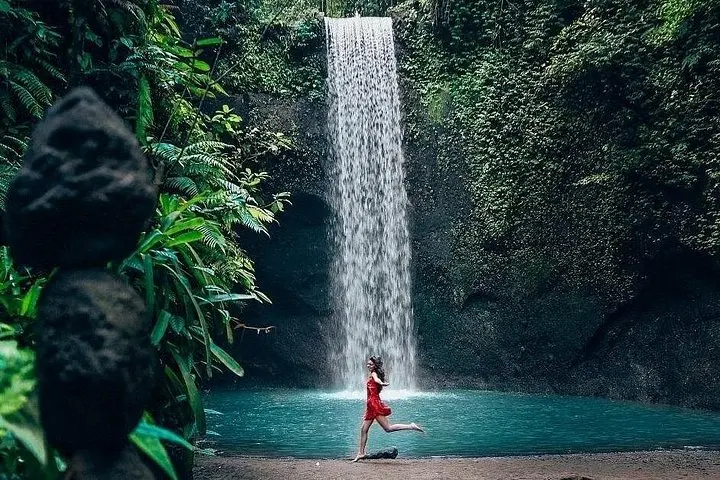
The day starts on a narrow road through palm and coconut plantations, the engine purring as the driver slips past villages still waking to coffee and offerings. By midmorning the air is cooler, water calling from the jungle ahead—Tibumana’s curtain of green and Kanto Lampo’s stepped cascade each pull travelers toward their spray and stone.
Verified experiences and guided adventures in the surrounding area.
Operated by Bali Ubud Drivers · Ubud, Bali
The day starts on a narrow road through palm and coconut plantations, the engine purring as the driver slips past villages still waking to coffee and offerings. By midmorning the air is cooler, water calling from the jungle ahead—Tibumana’s curtain of green and Kanto Lampo’s stepped cascade each pull travelers toward their spray and stone.
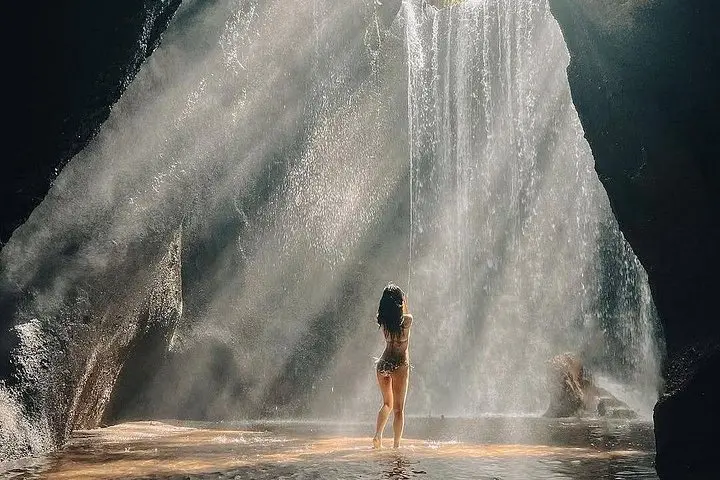
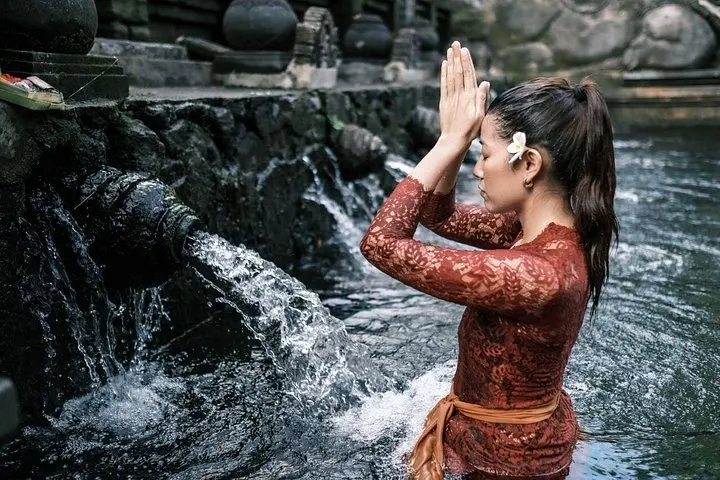
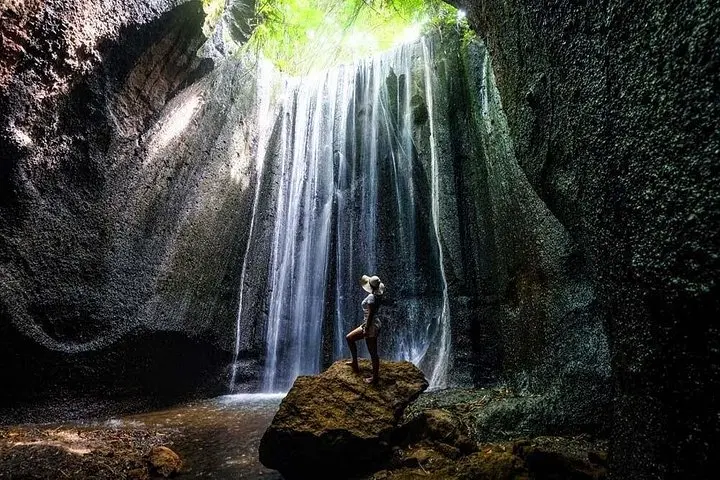
These sites sit on Bali’s volcanic soils, carved by streams that cut deeper with every monsoon season; Tukad Cepung’s cave is a small gorge where sunlight punches through a broken roof and the river dares you into its shallow pool. Tirta Empul, founded in the 10th century under ancient Balinese kings, remains a working temple where locals and visitors move from spout to spout in a purification ritual—sarongs and respect required.
The final walk through Tegallalang exposes the island’s water-management technique, subak, still used by farmers to feed terraces that glow emerald after rains. Expect uneven stone steps, short stream crossings, and humid jungle air; your English-speaking driver doubles as a guide and photographer, easing logistics so you can focus on the views.
Practical guidance: start early to avoid crowds and mid-day heat, bring quick-dry clothing and footwear for wading, and carry small change for entrance fees and local stalls. Time on-site is brief at each stop—pack curiosity, not heavy bags—and be ready to trade the tourist rush for quieter moments where light, water, and rice paddies shape the day.
Some tour options include entrance fees if selected at booking; confirm with the operator before departure.
Yes—visitors may participate with proper sarong attire and guidance, but follow the temple staff and avoid interrupting worshippers.
Generally yes; paths are short but uneven. Notify the operator of mobility issues so they can adapt timing and stops.
The dry season (April–October) offers clearer skies and easier walking, though waterfalls are most dramatic after the wet season rains.
Bali Ubud Drivers operates guided outdoor trips and adventures with an emphasis on safety, stewardship, and memorable experiences.
The day starts on a narrow road through palm and coconut plantations, the engine purring as the driver slips past villages still waking to coffee and offerings. By midmorning the air is cooler, water calling from the jungle ahead—Tibumana’s curtain of green and Kanto Lampo’s stepped cascade each pull travelers toward their spray and stone.
The day starts on a narrow road through palm and coconut plantations, the engine purring as the driver slips past villages still waking to coffee and offerings. By midmorning the air is cooler, water calling from the jungle ahead—Tibumana’s curtain of green and Kanto Lampo’s stepped cascade each pull travelers toward their spray and stone.
These sites sit on Bali’s volcanic soils, carved by streams that cut deeper with every monsoon season; Tukad Cepung’s cave is a small gorge where sunlight punches through a broken roof and the river dares you into its shallow pool. Tirta Empul, founded in the 10th century under ancient Balinese kings, remains a working temple where locals and visitors move from spout to spout in a purification ritual—sarongs and respect required.
The final walk through Tegallalang exposes the island’s water-management technique, subak, still used by farmers to feed terraces that glow emerald after rains. Expect uneven stone steps, short stream crossings, and humid jungle air; your English-speaking driver doubles as a guide and photographer, easing logistics so you can focus on the views.
Practical guidance: start early to avoid crowds and mid-day heat, bring quick-dry clothing and footwear for wading, and carry small change for entrance fees and local stalls. Time on-site is brief at each stop—pack curiosity, not heavy bags—and be ready to trade the tourist rush for quieter moments where light, water, and rice paddies shape the day.