THE ADVENTURE COLLECTIVE® · Independent discovery and booking for outdoor travel

Explore Udaipur’s palaces and lakes before heading into the Aravalli hills to walk Kumbhalgarh’s ramparts and study the marble intricacy of Ranakpur Jain Temple. This two-day private tour balances short walks with big cultural sights.
Explore Udaipur’s palaces and lakes before heading into the Aravalli hills to walk Kumbhalgarh’s ramparts and study the marble intricacy of Ranakpur Jain Temple. This two-day private tour balances short walks with big cultural sights.
Morning on Lake Pichola arrives like a slow unveiling: boats skim the glass, palace balconies catch the light, and the city’s alleys begin to fill with vendors and priests. This two-day private tour threads those early streets in Udaipur, then pushes into the Aravalli foothills to the battlemented ramps of Kumbhalgarh and the carved marble hush of Ranakpur.
Verified experiences and guided adventures in the surrounding area.
Operated by Balaji Forex Tours And Travels · Udaipur, Rajasthan
Morning on Lake Pichola arrives like a slow unveiling: boats skim the glass, palace balconies catch the light, and the city’s alleys begin to fill with vendors and priests. This two-day private tour threads those early streets in Udaipur, then pushes into the Aravalli foothills to the battlemented ramps of Kumbhalgarh and the carved marble hush of Ranakpur.
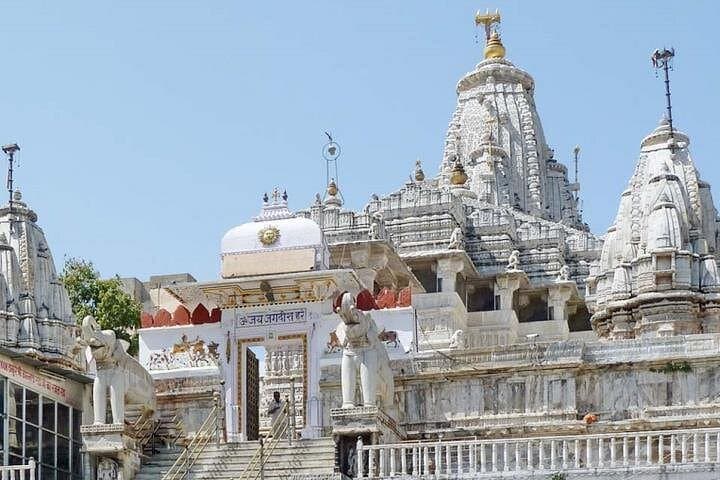
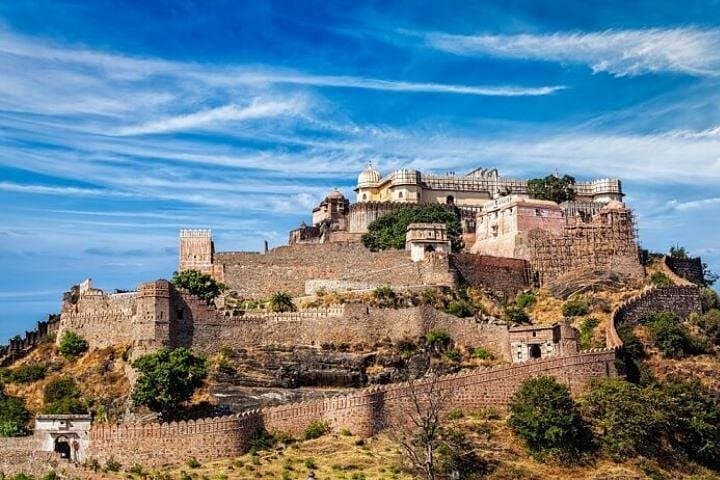
Udaipur’s City Palace complex began in 1559 under Maharana Udai Singh and grew across centuries; nearby Jagdish Temple (1651) echoes the city’s Rajput devotion. The Aravalli Range — one of India’s oldest fold mountains — shapes local geology and climate, lifting plateaus that made defensive sites like Kumbhalgarh ideal. Kumbhalgarh’s wall, often called India’s “great wall,” dates to Rana Kumbha and offers expansive views over scrub and terraced fields. Ranakpur’s Jain temple, largely 15th century, is famed for its density of marble pillars and carved iconography.
Practical guidance: expect long days with several short walks on stone steps, courtyards and uneven paths; the drive to Kumbhalgarh is roughly two hours each way. Dress modestly for temple visits, carry water and sunscreen, and plan early starts to avoid midday heat. Guides and an air-conditioned vehicle are typically included; entrance fees may be extra. Photography is welcome but observe restricted areas in temples. If you want fewer crowds at Ranakpur, aim for weekdays or early morning slots. The experience blends history, regional architecture and the Aravalli landscape—appealing to travelers who want cultural depth with manageable walking and reliable logistics.
Entrance fees for palaces, forts and temples are often not included; confirm with the operator before travel to know what’s covered.
Yes—this private tour typically includes hotel pickup and drop-off in central Udaipur; pickup times are given 30–60 minutes before the scheduled start.
Walking is short to moderate at each site—expect stairs, courtyards and 30–90 minute on-foot visits, but most transit is by vehicle.
An English-speaking driver is standard; a local guide is provided on the second day at Kumbhalgarh and an audio guide is available at Ranakpur depending on the booking option.
Balaji Forex Tours And Travels operates guided outdoor trips and adventures with an emphasis on safety, stewardship, and memorable experiences.


Morning on Lake Pichola arrives like a slow unveiling: boats skim the glass, palace balconies catch the light, and the city’s alleys begin to fill with vendors and priests. This two-day private tour threads those early streets in Udaipur, then pushes into the Aravalli foothills to the battlemented ramps of Kumbhalgarh and the carved marble hush of Ranakpur.
Morning on Lake Pichola arrives like a slow unveiling: boats skim the glass, palace balconies catch the light, and the city’s alleys begin to fill with vendors and priests. This two-day private tour threads those early streets in Udaipur, then pushes into the Aravalli foothills to the battlemented ramps of Kumbhalgarh and the carved marble hush of Ranakpur.
Udaipur’s City Palace complex began in 1559 under Maharana Udai Singh and grew across centuries; nearby Jagdish Temple (1651) echoes the city’s Rajput devotion. The Aravalli Range — one of India’s oldest fold mountains — shapes local geology and climate, lifting plateaus that made defensive sites like Kumbhalgarh ideal. Kumbhalgarh’s wall, often called India’s “great wall,” dates to Rana Kumbha and offers expansive views over scrub and terraced fields. Ranakpur’s Jain temple, largely 15th century, is famed for its density of marble pillars and carved iconography.
Practical guidance: expect long days with several short walks on stone steps, courtyards and uneven paths; the drive to Kumbhalgarh is roughly two hours each way. Dress modestly for temple visits, carry water and sunscreen, and plan early starts to avoid midday heat. Guides and an air-conditioned vehicle are typically included; entrance fees may be extra. Photography is welcome but observe restricted areas in temples. If you want fewer crowds at Ranakpur, aim for weekdays or early morning slots. The experience blends history, regional architecture and the Aravalli landscape—appealing to travelers who want cultural depth with manageable walking and reliable logistics.