THE ADVENTURE COLLECTIVE® · Independent discovery and booking for outdoor travel

Drive into Udawalawe’s open plains where elephants move like slow currents and waterbirds patrol the reservoir. This four-hour, all-inclusive safari focuses on family elephant sightings and prolific birdlife while guides handle logistics and local knowledge.
Drive into Udawalawe’s open plains where elephants move like slow currents and waterbirds patrol the reservoir. This four-hour, all-inclusive safari focuses on family elephant sightings and prolific birdlife while guides handle logistics and local knowledge.
The Land Cruiser crunches over gravel and the grassland opens like a theater; elephants move through the scrub with the calm of actors who own the stage. In Udawalawe National Park the reservoir glints against flat, acacia-dotted plains and birds punctuate the air with quick, bright calls.
Verified experiences and guided adventures in the surrounding area.
Operated by Mahaweli Tours and Holidays · Udawalawe, Sabaragamuwa Province
The Land Cruiser crunches over gravel and the grassland opens like a theater; elephants move through the scrub with the calm of actors who own the stage. In Udawalawe National Park the reservoir glints against flat, acacia-dotted plains and birds punctuate the air with quick, bright calls.
Created in the 1970s to protect the catchment of Udawalawe Reservoir, the park sits on ancient floodplain geology—seasonal wetlands, shallow lakes and red-soil plains shaped by monsoon cycles. Local communities around Udawalawe have long combined rice cultivation with cattle grazing; today the park’s culture centers on coexistence between people and the elephant herds that travel traditional corridors here.
On a typical four-hour safari you’ll look for family groups of Asian elephants, small herds of sambar and spotted deer, and the wary crocodiles at water edges. Birdwatchers can expect kingfishers, painted storks and raptors scanning from termite mounds. Guides use experience and local knowledge to read tracks, predict crossings and position vehicles for respectful viewing.
Practical edge: dress for sun and dust, carry binoculars and a light layer for early-morning breezes. Vehicles are open-sided; photographers should secure lenses and use fast shutter speeds for moving subjects. Safety rules are straightforward—stay inside the vehicle, follow the guide’s instructions and allow animals space to move.
This park works year-round; timing a visit around cooler mornings or late afternoons increases sightings and comfort. A private, all-inclusive tour removes logistics—transport, entrance fees and bottled water are handled—letting travelers focus on the wildlife and the wide, raw landscape that defines Udawalawe.
The listed tour runs about four hours, including vehicle transfers and time inside the park.
Elephants are common in Udawalawe and sightings are likely, but wildlife is never guaranteed—guides maximize chances using local knowledge.
Infants must sit on laps; the operator advises caution for pregnant travelers and those with serious back or heart conditions—check restrictions when booking.
Guides typically speak English and local languages; confirm language needs when you book a private tour.
Mahaweli Tours and Holidays operates guided outdoor trips and adventures with an emphasis on safety, stewardship, and memorable experiences.
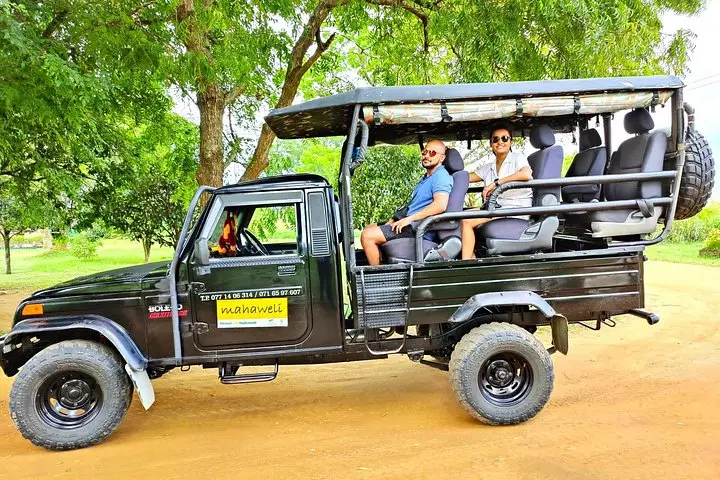
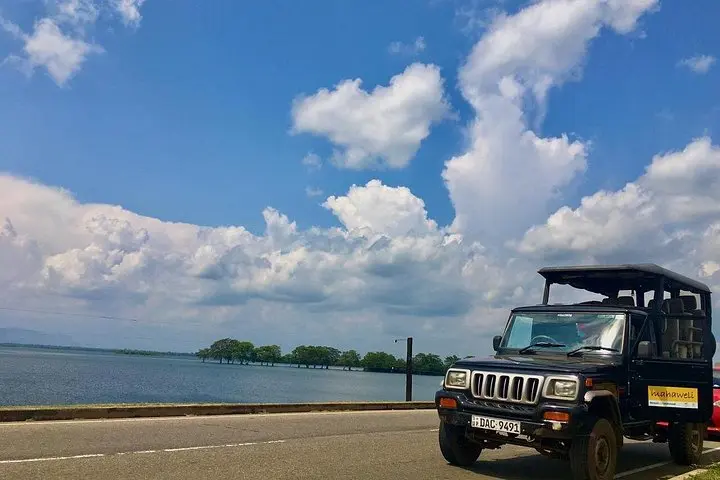
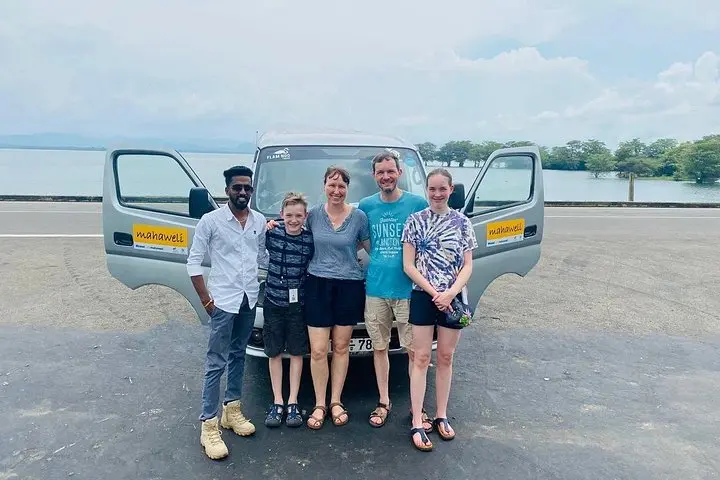
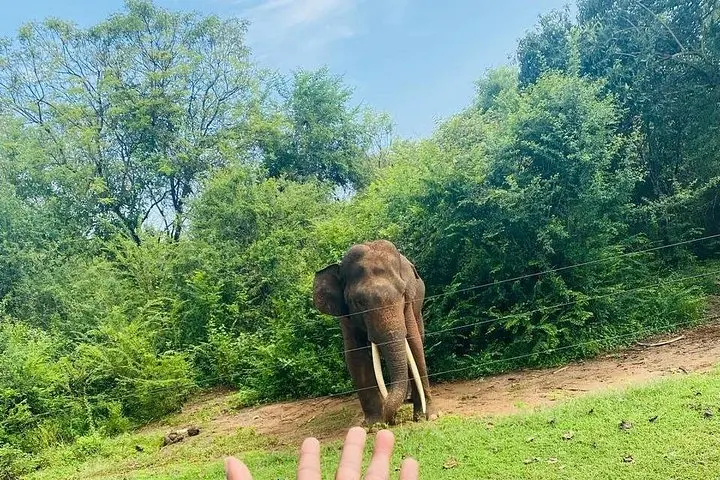
The Land Cruiser crunches over gravel and the grassland opens like a theater; elephants move through the scrub with the calm of actors who own the stage. In Udawalawe National Park the reservoir glints against flat, acacia-dotted plains and birds punctuate the air with quick, bright calls.
The Land Cruiser crunches over gravel and the grassland opens like a theater; elephants move through the scrub with the calm of actors who own the stage. In Udawalawe National Park the reservoir glints against flat, acacia-dotted plains and birds punctuate the air with quick, bright calls.
Created in the 1970s to protect the catchment of Udawalawe Reservoir, the park sits on ancient floodplain geology—seasonal wetlands, shallow lakes and red-soil plains shaped by monsoon cycles. Local communities around Udawalawe have long combined rice cultivation with cattle grazing; today the park’s culture centers on coexistence between people and the elephant herds that travel traditional corridors here.
On a typical four-hour safari you’ll look for family groups of Asian elephants, small herds of sambar and spotted deer, and the wary crocodiles at water edges. Birdwatchers can expect kingfishers, painted storks and raptors scanning from termite mounds. Guides use experience and local knowledge to read tracks, predict crossings and position vehicles for respectful viewing.
Practical edge: dress for sun and dust, carry binoculars and a light layer for early-morning breezes. Vehicles are open-sided; photographers should secure lenses and use fast shutter speeds for moving subjects. Safety rules are straightforward—stay inside the vehicle, follow the guide’s instructions and allow animals space to move.
This park works year-round; timing a visit around cooler mornings or late afternoons increases sightings and comfort. A private, all-inclusive tour removes logistics—transport, entrance fees and bottled water are handled—letting travelers focus on the wildlife and the wide, raw landscape that defines Udawalawe.