THE ADVENTURE COLLECTIVE® · Independent discovery and booking for outdoor travel

Spend a day chasing color and call notes across the lowland plains of Udawalawe—with morning birding, an afternoon jeep safari and frequent elephant sightings. Practical tips on timing, gear and what to expect on the 4‑hour transfer from Colombo.
Spend a day chasing color and call notes across the lowland plains of Udawalawe—with morning birding, an afternoon jeep safari and frequent elephant sightings. Practical tips on timing, gear and what to expect on the 4‑hour transfer from Colombo.
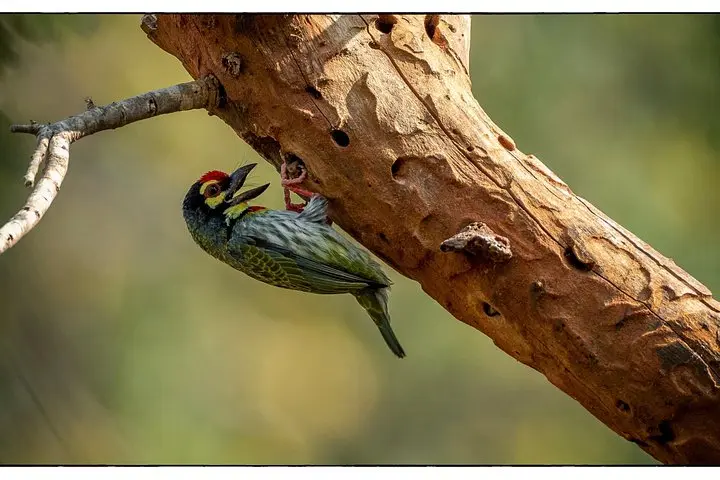
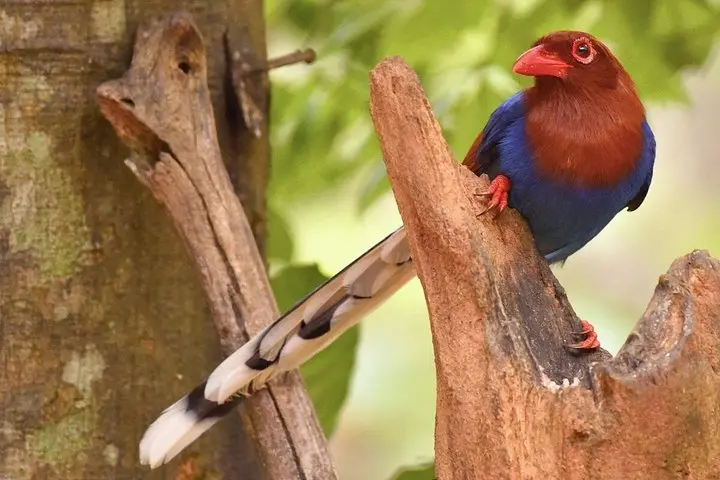
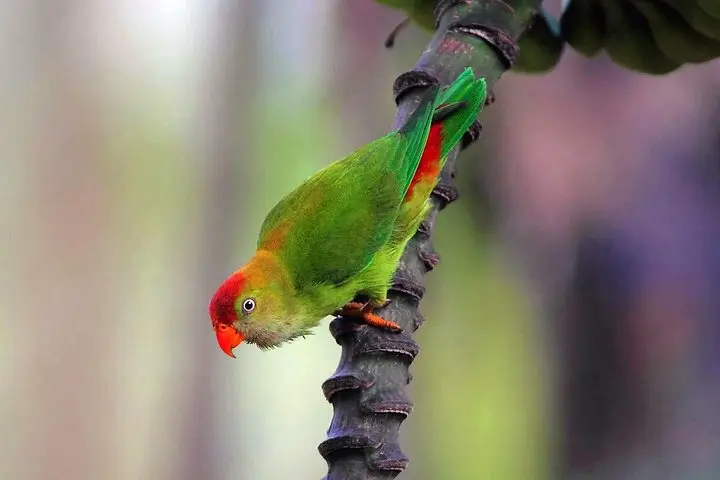
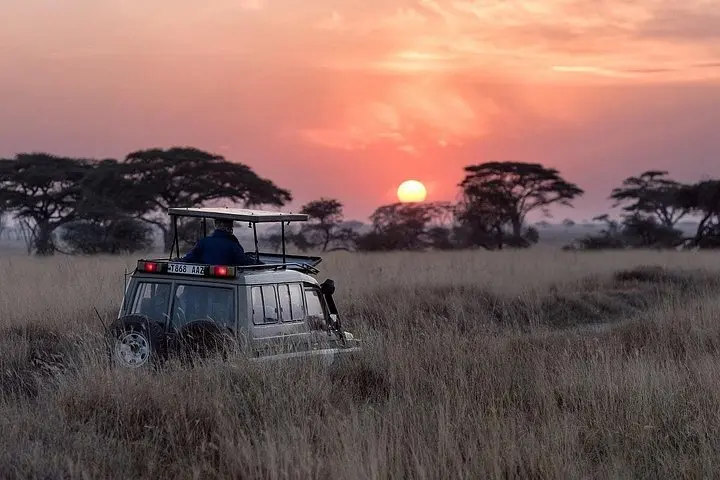
The first light of morning slants across the dry grass and scrub of Udawalawe as your jeep punches a line of dust through open country. Birds break the surface tension of quiet—bright kingfishers flash by waterholes, herons stand like patient sentries, and the guttural calls of bulbuls thread between thorny shrubs.
Verified experiences and guided adventures in the surrounding area.
Operated by Lakpura LLC · Udawalawe, Sabaragamuwa Province
The first light of morning slants across the dry grass and scrub of Udawalawe as your jeep punches a line of dust through open country. Birds break the surface tension of quiet—bright kingfishers flash by waterholes, herons stand like patient sentries, and the guttural calls of bulbuls thread between thorny shrubs.
Udawalawe National Park was created in the early 1970s to protect water catchments and the wildlife that depends on them; the park now covers roughly 30,000 hectares of lowland plains and reservoirs carved into basalt and alluvial deposits. Culturally, the park sits in a region of rice paddies, coconut groves and small towns—local villagers and guides have long used the same trails for fishing and seasonal grazing.
Expect a mix of terrain: flat grasslands, intermittent dry forest, and the wide sweep of the reservoir shoreline. Elevation is low (roughly 100–200 m), and game drives use unpaved jeep tracks rather than steep climbs, so the experience is about observation rather than strenuous hiking.
Practical guidance: leave Colombo around 07:00 for the four‑hour transfer (about 160–180 km), bring binoculars and a camera with the flash disabled, and plan for long stretches in the sun. Morning drives are highest yield for bird activity; afternoons often turn toward mammal sightings—Asian elephants commonly appear near water.
Wear breathable layers, carry 1–2 liters of water, and keep insect repellent handy. Respect park rules: stay in the vehicle during safaris, avoid sudden movements and feeding wildlife. With preparation, the day delivers focused birding, effortless wildlife viewing and a clear sense of the dry-zone landscape.
Plan on about a four-hour transfer (roughly 160–180 km) depending on traffic; early departures avoid city congestion.
Yes—Udawalawe is known for Asian elephants and sightings are common, especially near waterholes during dry months, but sightings are never guaranteed.
No—guides provide spotting help and identification tips; basic binocular familiarity is all that’s required.
Most day tours include private air-conditioned transport, basic refreshments and hotel pick-up/drop-off; confirm specifics with your operator.
Lakpura LLC operates guided outdoor trips and adventures with an emphasis on safety, stewardship, and memorable experiences.
The first light of morning slants across the dry grass and scrub of Udawalawe as your jeep punches a line of dust through open country. Birds break the surface tension of quiet—bright kingfishers flash by waterholes, herons stand like patient sentries, and the guttural calls of bulbuls thread between thorny shrubs.
The first light of morning slants across the dry grass and scrub of Udawalawe as your jeep punches a line of dust through open country. Birds break the surface tension of quiet—bright kingfishers flash by waterholes, herons stand like patient sentries, and the guttural calls of bulbuls thread between thorny shrubs.
Udawalawe National Park was created in the early 1970s to protect water catchments and the wildlife that depends on them; the park now covers roughly 30,000 hectares of lowland plains and reservoirs carved into basalt and alluvial deposits. Culturally, the park sits in a region of rice paddies, coconut groves and small towns—local villagers and guides have long used the same trails for fishing and seasonal grazing.
Expect a mix of terrain: flat grasslands, intermittent dry forest, and the wide sweep of the reservoir shoreline. Elevation is low (roughly 100–200 m), and game drives use unpaved jeep tracks rather than steep climbs, so the experience is about observation rather than strenuous hiking.
Practical guidance: leave Colombo around 07:00 for the four‑hour transfer (about 160–180 km), bring binoculars and a camera with the flash disabled, and plan for long stretches in the sun. Morning drives are highest yield for bird activity; afternoons often turn toward mammal sightings—Asian elephants commonly appear near water.
Wear breathable layers, carry 1–2 liters of water, and keep insect repellent handy. Respect park rules: stay in the vehicle during safaris, avoid sudden movements and feeding wildlife. With preparation, the day delivers focused birding, effortless wildlife viewing and a clear sense of the dry-zone landscape.