THE ADVENTURE COLLECTIVE® · Independent discovery and booking for outdoor travel

Leave Bentota before dawn for a full-day safari to Udawalawe: a 12‑hour trip with a three‑hour jeep safari and a stop at the 3.9 km Udawalawe Dam. Expect close encounters with elephants, scrubby plains, and an intimate look at Sri Lanka’s conservation work.
Leave Bentota before dawn for a full-day safari to Udawalawe: a 12‑hour trip with a three‑hour jeep safari and a stop at the 3.9 km Udawalawe Dam. Expect close encounters with elephants, scrubby plains, and an intimate look at Sri Lanka’s conservation work.
The day begins before sunrise on the coastal road out of Bentota, the vehicle cutting through humid air while the reservoir at Udawalawe waits inland like a low, patient mirror. By midmorning the jeep pushes into dry grass and shady thorn scrub; elephants pick their way through the riverine edges as birds call from fever trees and the dam’s concrete spine cuts the landscape.
Verified experiences and guided adventures in the surrounding area.
Operated by OTN WORLD PVT LTD · Udawalawe, Southern Province
The day begins before sunrise on the coastal road out of Bentota, the vehicle cutting through humid air while the reservoir at Udawalawe waits inland like a low, patient mirror. By midmorning the jeep pushes into dry grass and shady thorn scrub; elephants pick their way through the riverine edges as birds call from fever trees and the dam’s concrete spine cuts the landscape.
Udawalawe National Park was designated in the early 1970s to protect wildlife displaced by the creation of the reservoir. Geologically the area is a mixing ground of laterite plains and cut banks around the Udawalawe reservoir; the dam itself combines embankment and gravity sections for a total length of approximately 3.9 km and houses three 2 MW hydroelectric units commissioned in April 1969. Local communities around Bentota and Udawalawe maintain a living relationship with the land—fishing, rice farming and smallholder agriculture—and park fees are part of a fragile conservation economy.
Practically, expect a full 12‑hour day with hotel pickup and drop-off from Bentota, a roughly three-hour guided jeep safari inside the park, and a short stop at the dam. Terrain is dusty and uneven inside the reserve; bring breathable, muted clothing, a sun hat, bottled water and a camera with extra battery. Wildlife sightings are never guaranteed—patience and a quiet approach improve odds. Respect vehicle rules, keep distance from animals, and plan for a long transfer by road: the payoff is close-up encounters with elephants and wide waterfront views at the reservoir.
Expect approximately 3–4 hours each way depending on traffic; transfers are included in the day‑trip schedule.
Yes — national park fees are listed as included in the tour's inclusions, but confirm at booking for any recent fee changes.
Infants must sit on an adult’s lap; the operator notes it’s not recommended for travelers with serious back, heart, or pregnancy-related conditions.
Elephants are commonly seen but sightings aren’t guaranteed; a three-hour safari increases the odds but wildlife movements vary daily.
OTN WORLD PVT LTD operates guided outdoor trips and adventures with an emphasis on safety, stewardship, and memorable experiences.
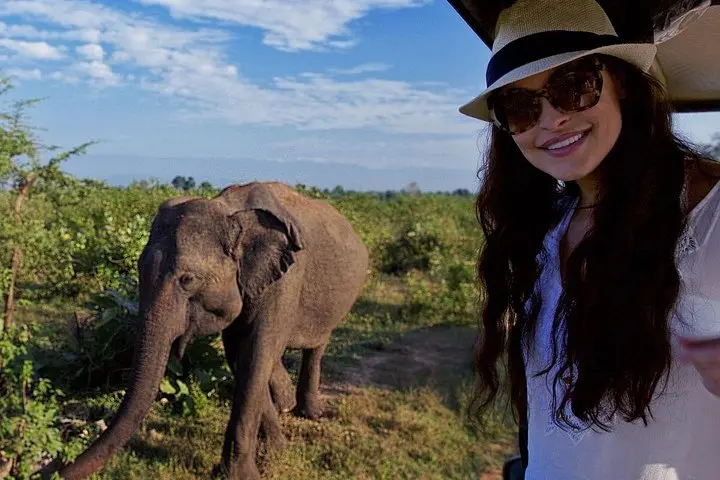
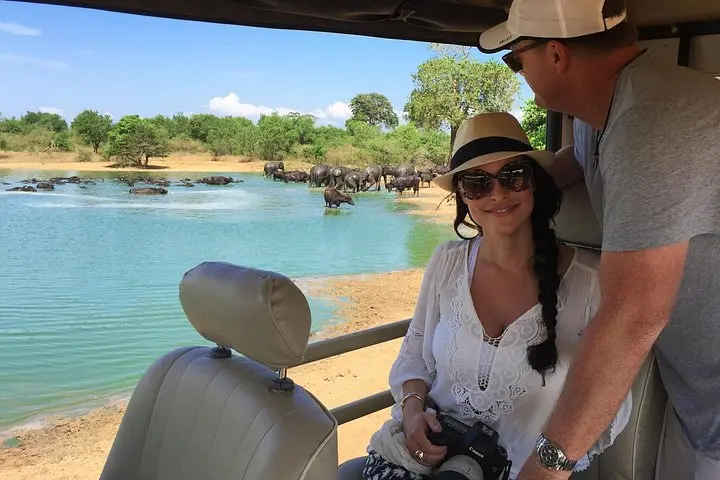
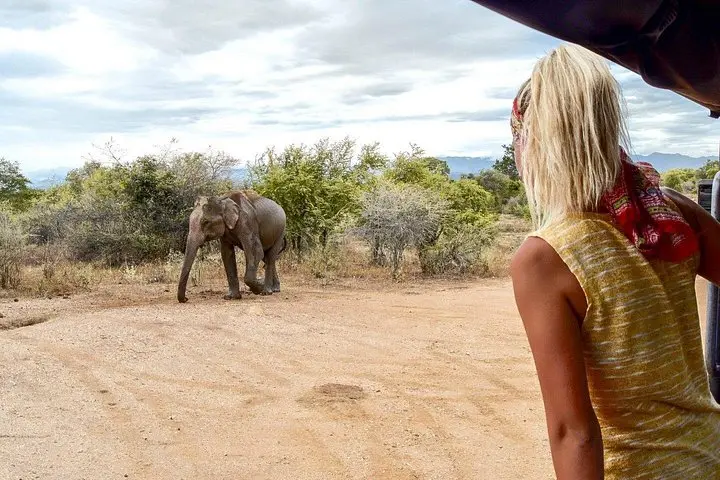
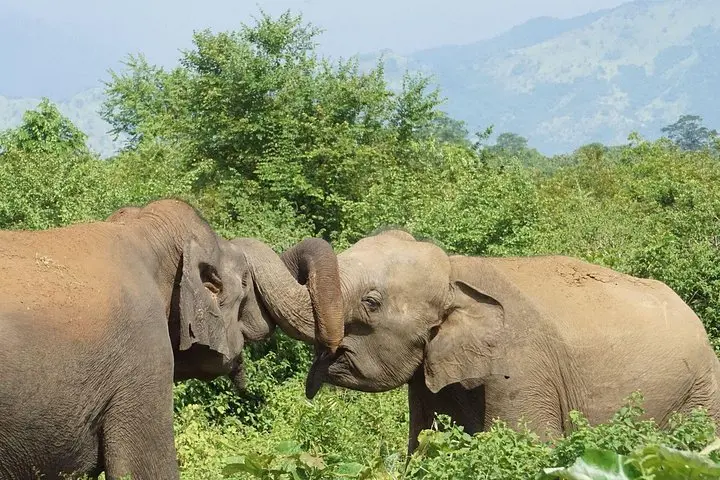
The day begins before sunrise on the coastal road out of Bentota, the vehicle cutting through humid air while the reservoir at Udawalawe waits inland like a low, patient mirror. By midmorning the jeep pushes into dry grass and shady thorn scrub; elephants pick their way through the riverine edges as birds call from fever trees and the dam’s concrete spine cuts the landscape.
The day begins before sunrise on the coastal road out of Bentota, the vehicle cutting through humid air while the reservoir at Udawalawe waits inland like a low, patient mirror. By midmorning the jeep pushes into dry grass and shady thorn scrub; elephants pick their way through the riverine edges as birds call from fever trees and the dam’s concrete spine cuts the landscape.
Udawalawe National Park was designated in the early 1970s to protect wildlife displaced by the creation of the reservoir. Geologically the area is a mixing ground of laterite plains and cut banks around the Udawalawe reservoir; the dam itself combines embankment and gravity sections for a total length of approximately 3.9 km and houses three 2 MW hydroelectric units commissioned in April 1969. Local communities around Bentota and Udawalawe maintain a living relationship with the land—fishing, rice farming and smallholder agriculture—and park fees are part of a fragile conservation economy.
Practically, expect a full 12‑hour day with hotel pickup and drop-off from Bentota, a roughly three-hour guided jeep safari inside the park, and a short stop at the dam. Terrain is dusty and uneven inside the reserve; bring breathable, muted clothing, a sun hat, bottled water and a camera with extra battery. Wildlife sightings are never guaranteed—patience and a quiet approach improve odds. Respect vehicle rules, keep distance from animals, and plan for a long transfer by road: the payoff is close-up encounters with elephants and wide waterfront views at the reservoir.