THE ADVENTURE COLLECTIVE® · Independent discovery and booking for outdoor travel

A full‑day circuit from Kalutara that pairs an intimate elephant safari in Udawalawe with conservation visits, Galle’s colonial ramparts, and a Madu River boat trip. Long driving distances mean an early start, but wildlife, culture, and coastal wetlands make it a high‑value day.
A full‑day circuit from Kalutara that pairs an intimate elephant safari in Udawalawe with conservation visits, Galle’s colonial ramparts, and a Madu River boat trip. Long driving distances mean an early start, but wildlife, culture, and coastal wetlands make it a high‑value day.
The day begins before dawn in Kalutara, the road unfurling southward as palms and paddy fields give way to broad grasslands and the shimmering reservoir of Udawalawe.
Verified experiences and guided adventures in the surrounding area.
Operated by Drivers in Sri Lanka · Udawalawe, Sabaragamuwa Province
The day begins before dawn in Kalutara, the road unfurling southward as palms and paddy fields give way to broad grasslands and the shimmering reservoir of Udawalawe.
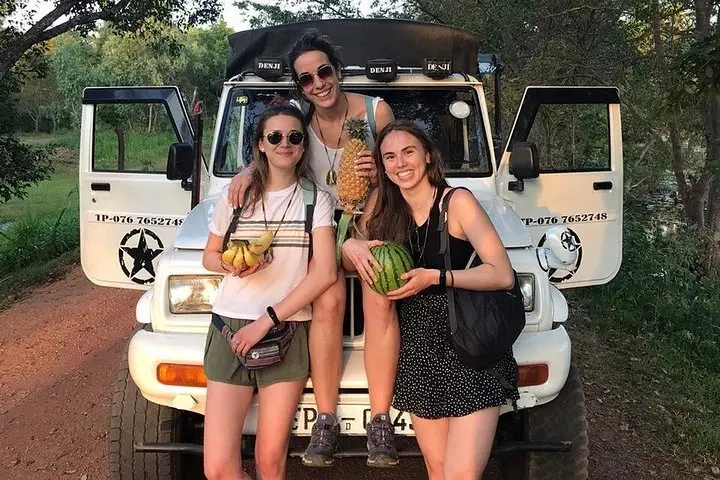
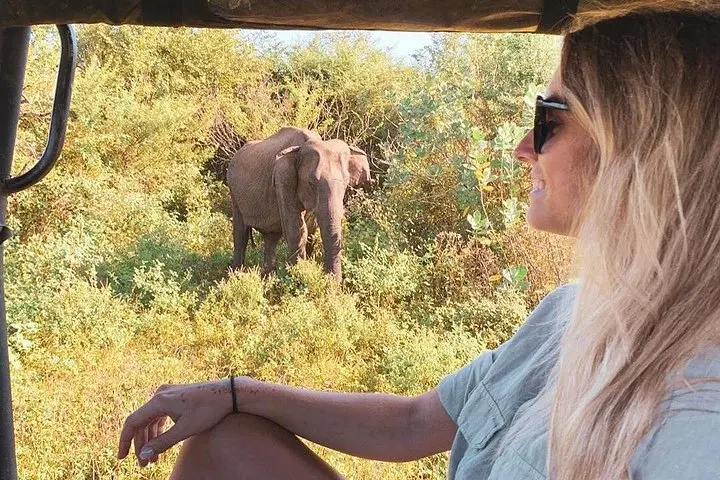
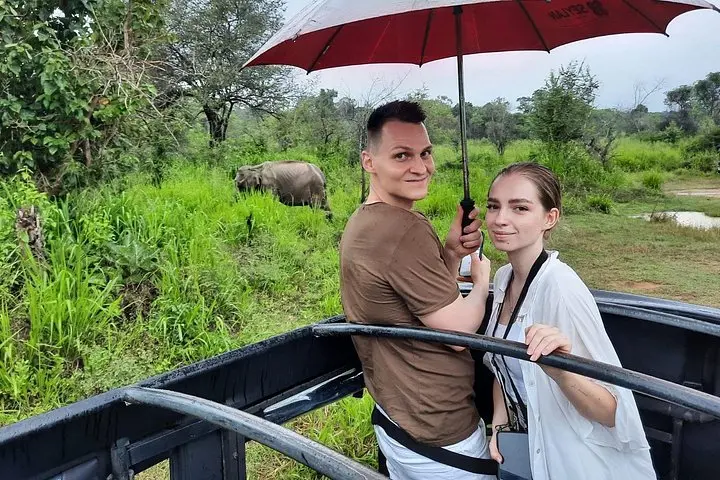
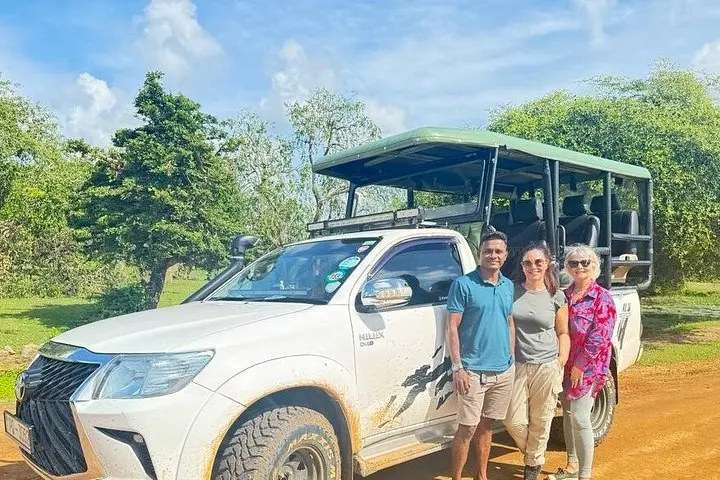
By mid-morning you’re rolling across dusty tracks in an open jeep, the park’s scrub and low hills spreading outward while herds of Asian elephants move with easy purpose near waterholes. The landscape here is rooted in recent geology: ancient river terraces and a man-made reservoir that concentrates wildlife along its margins, creating predictable viewing corridors for safari vehicles.
History and culture are never far away — later stops include Galle Dutch Fort, where 17th- and 18th-century ramparts meet Indian Ocean surf, and Madu River, where mangrove islets hold cinnamon collectors and small shrine islands. A visit to the Elephant Transit Home shows conservation practice in action: orphaned calves are rehabilitated and released, a reminder that modern wildlife protection stitches together local livelihoods and tourism.
Expect a long but manageable day: 12–15 hours including round-trip driving from Kalutara (roughly 3–4 hours each way). Terrain on safari is low-elevation, mostly flat to gently rolling; walking at sites is short and on compact paths.
Practical guidance: bring sun protection, a lightweight rain layer, and insect repellent; pack snacks and ample water for the drive; charge batteries and bring a 300mm+ lens or quality zoom for wildlife shots. Time in the park is best early morning or late afternoon when elephants are active. Respect viewing distances at the Transit Home and support local conservation with thoughtful purchases or donations.
Expect roughly 3–4 hours each way depending on traffic and route; the full trip is a long day (12–15 hours).
Admission fees are typically paid locally; check your booking details—conservation donations at the Elephant Transit Home are welcomed but optional.
Yes—infants may need to sit on laps; specialized infant seats may be available, but prolonged travel can be tiring for very young children.
No—interaction is strictly controlled; viewing is from designated platforms to ensure animal welfare and safe rehabilitation practices.
Drivers in Sri Lanka operates guided outdoor trips and adventures with an emphasis on safety, stewardship, and memorable experiences.
The day begins before dawn in Kalutara, the road unfurling southward as palms and paddy fields give way to broad grasslands and the shimmering reservoir of Udawalawe.
The day begins before dawn in Kalutara, the road unfurling southward as palms and paddy fields give way to broad grasslands and the shimmering reservoir of Udawalawe.
By mid-morning you’re rolling across dusty tracks in an open jeep, the park’s scrub and low hills spreading outward while herds of Asian elephants move with easy purpose near waterholes. The landscape here is rooted in recent geology: ancient river terraces and a man-made reservoir that concentrates wildlife along its margins, creating predictable viewing corridors for safari vehicles.
History and culture are never far away — later stops include Galle Dutch Fort, where 17th- and 18th-century ramparts meet Indian Ocean surf, and Madu River, where mangrove islets hold cinnamon collectors and small shrine islands. A visit to the Elephant Transit Home shows conservation practice in action: orphaned calves are rehabilitated and released, a reminder that modern wildlife protection stitches together local livelihoods and tourism.
Expect a long but manageable day: 12–15 hours including round-trip driving from Kalutara (roughly 3–4 hours each way). Terrain on safari is low-elevation, mostly flat to gently rolling; walking at sites is short and on compact paths.
Practical guidance: bring sun protection, a lightweight rain layer, and insect repellent; pack snacks and ample water for the drive; charge batteries and bring a 300mm+ lens or quality zoom for wildlife shots. Time in the park is best early morning or late afternoon when elephants are active. Respect viewing distances at the Transit Home and support local conservation with thoughtful purchases or donations.