THE ADVENTURE COLLECTIVE® · Independent discovery and booking for outdoor travel

Drive into Udawalawe’s open plains in a 4x4 and encounter wild elephants, water buffalo, and prolific birdlife on flexible 4-, 6- or 10-hour safaris. This guide explains what to expect, the best times to go, and how to prepare for optimal wildlife viewing.
Drive into Udawalawe’s open plains in a 4x4 and encounter wild elephants, water buffalo, and prolific birdlife on flexible 4-, 6- or 10-hour safaris. This guide explains what to expect, the best times to go, and how to prepare for optimal wildlife viewing.
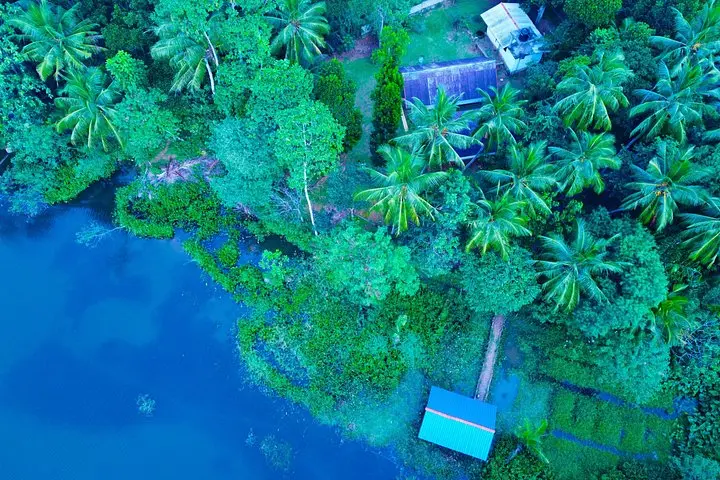
Dust lifts beneath the 4x4 as dawn spreads over grassland and the reservoir glints like a waking eye. The jeep creeps, guide scanning the horizon; a herd of elephants moves with quiet purpose, calves nudging through tall grass. Birds streak low, and the air smells of wet earth where the tank meets scrub.
Verified experiences and guided adventures in the surrounding area.
Operated by Walawe Palm Safari Udawalawe · Udawalawe, Sabaragamuwa Province
Dust lifts beneath the 4x4 as dawn spreads over grassland and the reservoir glints like a waking eye. The jeep creeps, guide scanning the horizon; a herd of elephants moves with quiet purpose, calves nudging through tall grass. Birds streak low, and the air smells of wet earth where the tank meets scrub.
Udawalawe National Park was set aside in the early 1970s around the reservoir to protect seasonal grazing grounds and the southern elephant populations. Geologically the park sits on ancient Precambrian rock with laterite soils, which support grassy plains and pockets of forest. Local communities have long used the tank system for rice and fishing, and conservation efforts here now balance tourism, the Elephant Transit Home rehabilitation program, and traditional livelihoods.
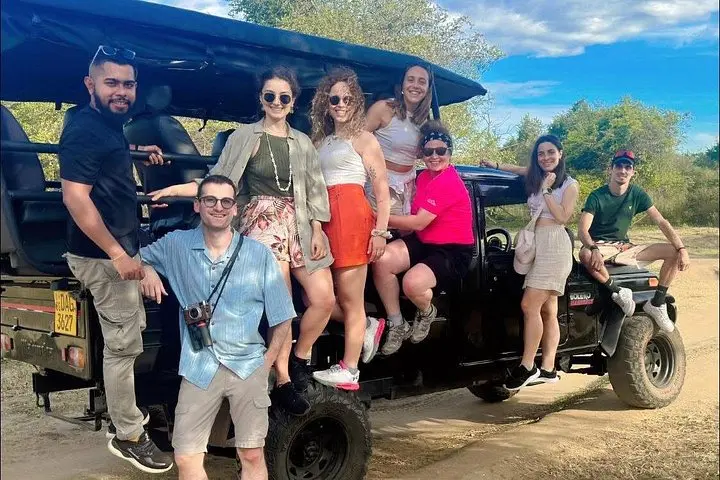
Safaris here are pragmatic adventures: you’ll ride in an open-top 4x4, guided by a naturalist who reads tracks, calls, and the rhythm of the landscape. Morning runs favor cooler temperatures and active wildlife; evenings catch warm light and animals moving toward water. Photographers should plan for high-contrast light and fast-moving subjects.
Practical guidance: book a morning or late-afternoon slot to avoid midday heat, bring sun protection and a telephoto lens, and keep distances—park rules and guides prioritize animal welfare. Expect dusty roads, short hikes only if specified, and variable sightings—elephants and waterfowl are common; leopards are rare. Travel responsibly: stay in designated areas, follow your guide’s instructions, and support local conservation initiatives when possible.
Safaris are offered in flexible durations—commonly 4, 6, or up to 10 hours—so you can choose a half-day or full-day experience depending on your schedule.
Elephants are among the park’s most reliable sightings, often seen grazing in herds; however, wildlife is wild and sightings are not guaranteed.
Yes, the Elephant Transit Home is nearby and often included or offered as an add-on; it focuses on rehabilitation and has restricted visiting hours—check with your operator for scheduling.
Most operators provide hotel or pickup-point transfers—confirm pickup details at booking and inform your driver that you are heading to the national park.
Walawe Palm Safari Udawalawe operates guided outdoor trips and adventures with an emphasis on safety, stewardship, and memorable experiences.

Dust lifts beneath the 4x4 as dawn spreads over grassland and the reservoir glints like a waking eye. The jeep creeps, guide scanning the horizon; a herd of elephants moves with quiet purpose, calves nudging through tall grass. Birds streak low, and the air smells of wet earth where the tank meets scrub.
Dust lifts beneath the 4x4 as dawn spreads over grassland and the reservoir glints like a waking eye. The jeep creeps, guide scanning the horizon; a herd of elephants moves with quiet purpose, calves nudging through tall grass. Birds streak low, and the air smells of wet earth where the tank meets scrub.
Udawalawe National Park was set aside in the early 1970s around the reservoir to protect seasonal grazing grounds and the southern elephant populations. Geologically the park sits on ancient Precambrian rock with laterite soils, which support grassy plains and pockets of forest. Local communities have long used the tank system for rice and fishing, and conservation efforts here now balance tourism, the Elephant Transit Home rehabilitation program, and traditional livelihoods.
Safaris here are pragmatic adventures: you’ll ride in an open-top 4x4, guided by a naturalist who reads tracks, calls, and the rhythm of the landscape. Morning runs favor cooler temperatures and active wildlife; evenings catch warm light and animals moving toward water. Photographers should plan for high-contrast light and fast-moving subjects.
Practical guidance: book a morning or late-afternoon slot to avoid midday heat, bring sun protection and a telephoto lens, and keep distances—park rules and guides prioritize animal welfare. Expect dusty roads, short hikes only if specified, and variable sightings—elephants and waterfowl are common; leopards are rare. Travel responsibly: stay in designated areas, follow your guide’s instructions, and support local conservation initiatives when possible.