
Udawalawe Elephant Safari & Elephant Transit Home — Full-Day Wildlife Tour from Hambantota
A full-day wildlife excursion that pairs a 4x4 game drive through Udawalawe National Park with a visit to the Elephant Transit Home. Expect close elephant encounters, varied birdlife and an inside look at calf rehabilitation.
An Adventure In Hambantota.
A full-day wildlife excursion that pairs a 4x4 game drive through Udawalawe National Park with a visit to the Elephant Transit Home. Expect close elephant encounters, varied birdlife and an inside look at calf rehabilitation.
Read the full experience
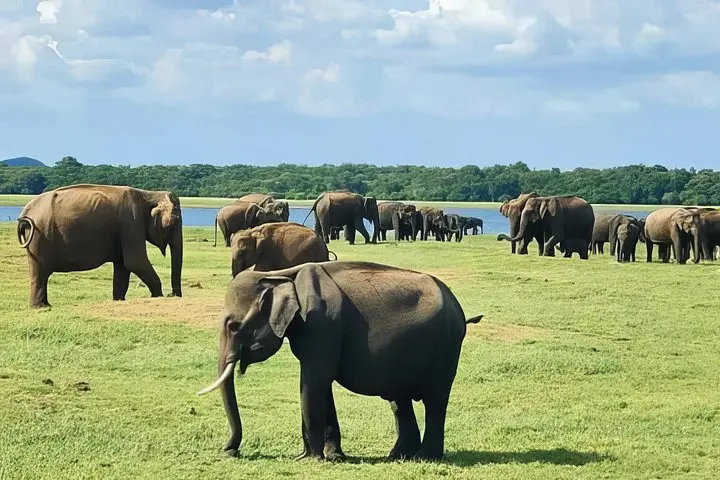
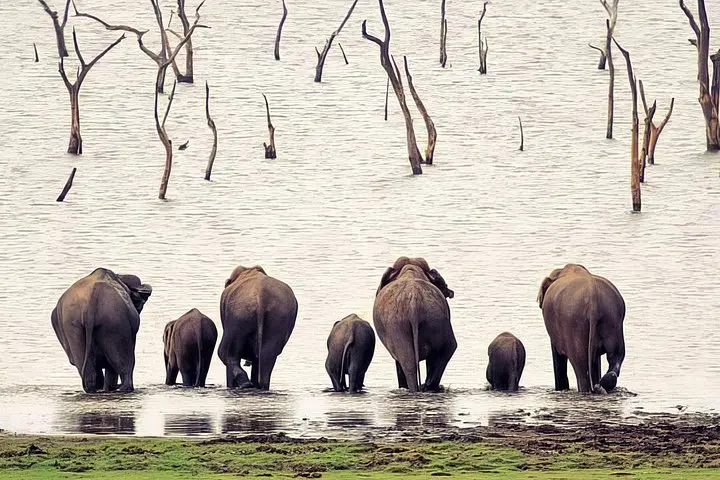
You step out of the shaded port heat into a cool, whirring jeep and the road unfurls toward dry riverbeds and tall grass that seem to breathe. Udawalawe’s plain opens in widescreen: bands of grass, thorn scrub and the occasional silhouette of an elephant moving with patient intent. The park’s low ridges and seasonal wetlands create pockets of life; birds quarter the air while water buffalo wallow and crocodiles wait in shadow.
You step out of the shaded port heat into a cool, whirring jeep and the road unfurls toward dry riverbeds and tall grass that seem to breathe. Udawalawe’s plain opens in widescreen: bands of grass, thorn scrub and the occasional silhouette of an elephant moving with patient intent. The park’s low ridges and seasonal wetlands create pockets of life; birds quarter the air while water buffalo wallow and crocodiles wait in shadow.
Udawalawe was set aside in the 1970s to protect elephant corridors after habitat loss pushed herds into danger. Geologically the area is late-Quaternary alluvial terraces, producing sandy soils and shallow tanks that dictate the seasonal rhythm here. Culturally, local villages still revolve around tank irrigation and paddy cycles; the park itself is managed with a blend of tourism revenue and conservation initiatives.
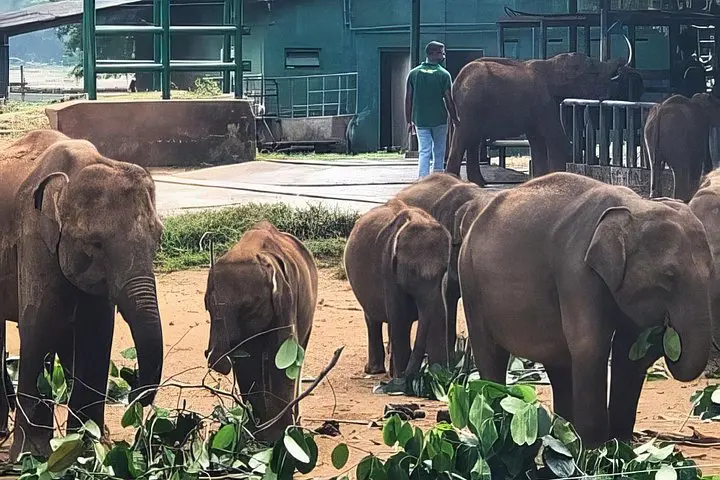
On a typical day tour you’ll split time between a guided 4x4 game drive and the Elephant Transit Home, where orphaned calves are hand-reared and bottle-fed in view of visitors—an intimate look at rehabilitation work.
Practical notes: expect dusty, bumpy tracks and multiple stop-and-start sightings, so wear closed shoes and sun protection. Keep binoculars and a long lens handy—elephants and herds often feed close to the vehicle but shyer species are best seen at a distance. Hydrate and move slowly when viewing; the best light for photos is early morning and late afternoon. The experience balances wildlife spectacle with palpable conservation efforts—rewarding, accessible, and demanding respectful behavior around the animals.
Frequently asked questions
The full excursion is about 6–7 hours door-to-door, including travel from Hambantota port, a 3-hour game drive and a stop at the Elephant Transit Home.
Udawalawe has a high probability of elephant sightings, often in herds, but wildlife is never guaranteed—season and time of day affect visibility.
The Transit Home focuses on rehabilitating orphaned calves for eventual release; visits support their conservation and provide an educational look at their protocols.
Yes—infant seats are available, but the operator advises moderate fitness and that the activity may not suit very young children during long travel segments.
About This Experience
SAMTOURS | Sri Lanka operates guided outdoor trips and adventures with an emphasis on safety, stewardship, and memorable experiences.
Adventure tips
Recommended gear
- Binoculars: Essential for identifying birds and distant wildlife without disturbing them.
- Long telephoto lens (200mm+): Helps capture close-up shots of elephants and shy mammals from the safety of the jeep.
- Sun hat and sunscreen: Protects you from strong tropical sun during open-vehicle drives.
- Light rain jacket: Short, heavy showers can arrive suddenly—waterproof layers keep you dry during transit.
Photos of the experience

Related adventures & guides
Read the full experience
You step out of the shaded port heat into a cool, whirring jeep and the road unfurls toward dry riverbeds and tall grass that seem to breathe. Udawalawe’s plain opens in widescreen: bands of grass, thorn scrub and the occasional silhouette of an elephant moving with patient intent. The park’s low ridges and seasonal wetlands create pockets of life; birds quarter the air while water buffalo wallow and crocodiles wait in shadow.
You step out of the shaded port heat into a cool, whirring jeep and the road unfurls toward dry riverbeds and tall grass that seem to breathe. Udawalawe’s plain opens in widescreen: bands of grass, thorn scrub and the occasional silhouette of an elephant moving with patient intent. The park’s low ridges and seasonal wetlands create pockets of life; birds quarter the air while water buffalo wallow and crocodiles wait in shadow.
Udawalawe was set aside in the 1970s to protect elephant corridors after habitat loss pushed herds into danger. Geologically the area is late-Quaternary alluvial terraces, producing sandy soils and shallow tanks that dictate the seasonal rhythm here. Culturally, local villages still revolve around tank irrigation and paddy cycles; the park itself is managed with a blend of tourism revenue and conservation initiatives.
On a typical day tour you’ll split time between a guided 4x4 game drive and the Elephant Transit Home, where orphaned calves are hand-reared and bottle-fed in view of visitors—an intimate look at rehabilitation work.
Practical notes: expect dusty, bumpy tracks and multiple stop-and-start sightings, so wear closed shoes and sun protection. Keep binoculars and a long lens handy—elephants and herds often feed close to the vehicle but shyer species are best seen at a distance. Hydrate and move slowly when viewing; the best light for photos is early morning and late afternoon. The experience balances wildlife spectacle with palpable conservation efforts—rewarding, accessible, and demanding respectful behavior around the animals.
Make a day of it nearby.
Verified experiences and guided adventures in the surrounding area.