THE ADVENTURE COLLECTIVE® · Independent discovery and booking for outdoor travel

Two days of coastal transfer and concentrated safari time, this Hikkaduwa-to-Udawalawe itinerary pairs late-afternoon and early-morning game drives where elephant herds gather around reservoir edges. Expect close wildlife encounters, straightforward dirt-track driving, and a taste of rural southern Sri Lanka.
Two days of coastal transfer and concentrated safari time, this Hikkaduwa-to-Udawalawe itinerary pairs late-afternoon and early-morning game drives where elephant herds gather around reservoir edges. Expect close wildlife encounters, straightforward dirt-track driving, and a taste of rural southern Sri Lanka.
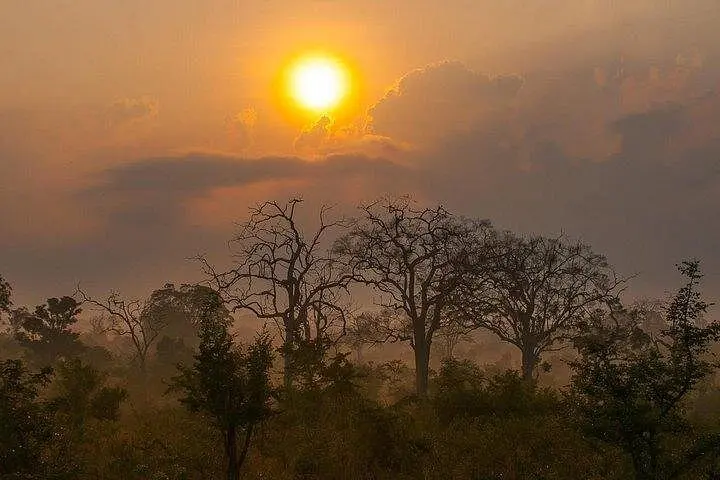
Morning light stretches across the paddy fields as your vehicle peels away from Hikkaduwa’s surf-scented streets and heads inland toward the low, scrubby hills that guard Udawalawe National Park.
Verified experiences and guided adventures in the surrounding area.
Operated by Lakpura LLC · Udawalawe, Southern Province
Morning light stretches across the paddy fields as your vehicle peels away from Hikkaduwa’s surf-scented streets and heads inland toward the low, scrubby hills that guard Udawalawe National Park.
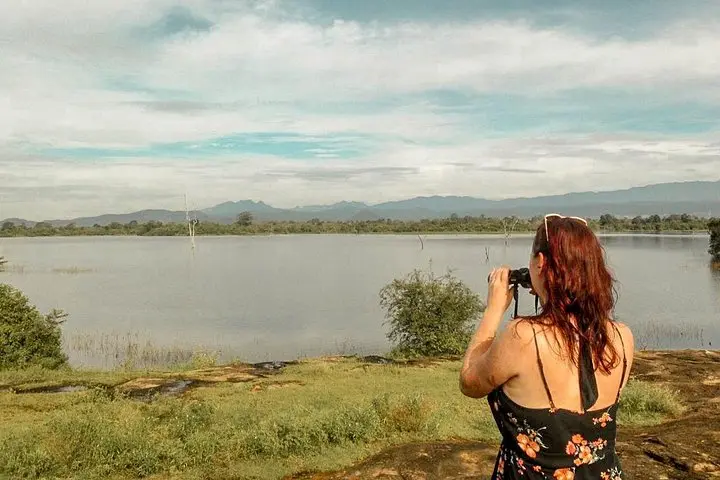
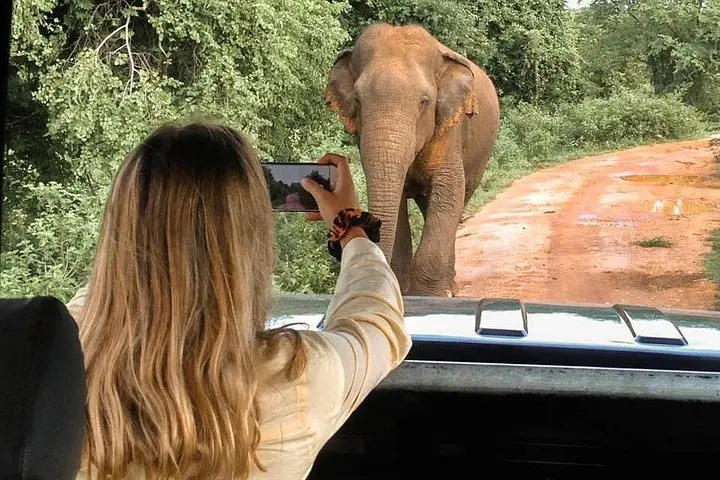
By late afternoon the road opens to wide grasslands and a cool reservoir where elephant herds congregate to bathe and feed; the animals move with surprising deliberation, trunks probing and calves flanking mothers. Udawalawe was set aside in the 1970s to protect the island’s declining elephant population and today its mosaic of marsh, grassland and secondary forest supports large mammals, waterbirds and a surprising variety of reptiles and butterflies.
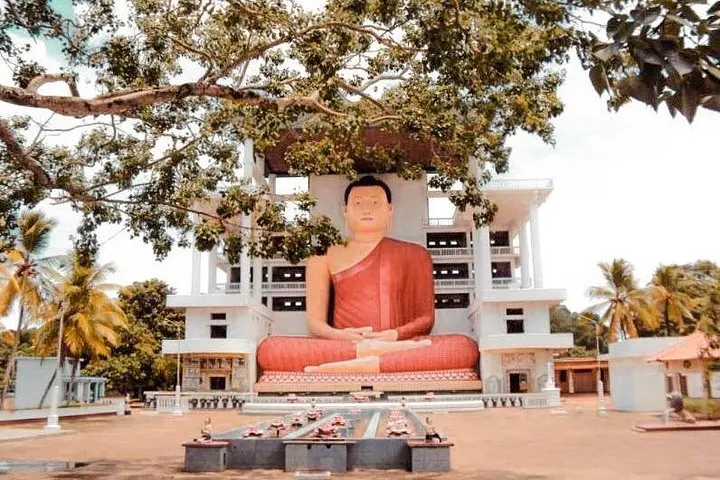
The geology here is simple—undulating Miocene sediments cut by seasonal streams—yet the cultural layers are deep: rural villages, Buddhist shrines and small-scale agriculture press up against the park boundary, so your safari is as much a glimpse of Sri Lankan rural life as it is wildlife watching.
Practically, expect two short safaris—a late-afternoon game drive the first day and an early-morning run the next—each roughly three hours. Vehicles navigate firm tracks and occasional mud; guides point out elephant families, sambur deer, water buffalo and the endemic toque macaque. Bring sun protection, a light rain layer (tropical showers are common), and binoculars; keep cameras ready for sudden action around the reservoir.
The tour moves at a relaxed pace and is suitable for travelers of most fitness levels, but wildlife sightings are never guaranteed; patience and a quiet approach pay dividends. Timing your visit outside the heaviest monsoon window improves road access and increases comfort for both you and the wildlife.
Most private tours include park entrance and vehicle fees; confirm with the operator before booking.
Expect roughly 3–4 hours of road time each way depending on traffic and exact pickup location.
Children are welcome, but ensure infant seats are requested; close supervision is required on safari vehicles.
Elephants are the signature sighting; you may also see water buffalo, deer species, toque macaques, and a variety of waterbirds and reptiles.
Lakpura LLC operates guided outdoor trips and adventures with an emphasis on safety, stewardship, and memorable experiences.
Morning light stretches across the paddy fields as your vehicle peels away from Hikkaduwa’s surf-scented streets and heads inland toward the low, scrubby hills that guard Udawalawe National Park.
Morning light stretches across the paddy fields as your vehicle peels away from Hikkaduwa’s surf-scented streets and heads inland toward the low, scrubby hills that guard Udawalawe National Park.
By late afternoon the road opens to wide grasslands and a cool reservoir where elephant herds congregate to bathe and feed; the animals move with surprising deliberation, trunks probing and calves flanking mothers. Udawalawe was set aside in the 1970s to protect the island’s declining elephant population and today its mosaic of marsh, grassland and secondary forest supports large mammals, waterbirds and a surprising variety of reptiles and butterflies.
The geology here is simple—undulating Miocene sediments cut by seasonal streams—yet the cultural layers are deep: rural villages, Buddhist shrines and small-scale agriculture press up against the park boundary, so your safari is as much a glimpse of Sri Lankan rural life as it is wildlife watching.
Practically, expect two short safaris—a late-afternoon game drive the first day and an early-morning run the next—each roughly three hours. Vehicles navigate firm tracks and occasional mud; guides point out elephant families, sambur deer, water buffalo and the endemic toque macaque. Bring sun protection, a light rain layer (tropical showers are common), and binoculars; keep cameras ready for sudden action around the reservoir.
The tour moves at a relaxed pace and is suitable for travelers of most fitness levels, but wildlife sightings are never guaranteed; patience and a quiet approach pay dividends. Timing your visit outside the heaviest monsoon window improves road access and increases comfort for both you and the wildlife.